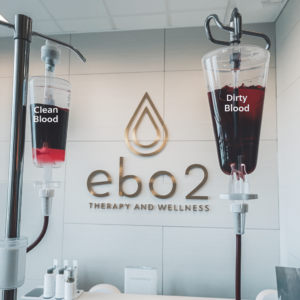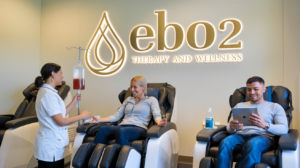

EBO₂ therapy and IV ozone therapy are advanced wellness treatments designed to support the body’s natural healing processes by improving oxygen utilization. Comprehensive EBO₂ therapy (Extracorporeal Blood Oxygenation and Ozonation) circulates blood through a filtration system that oxygenates and cleanses it outside the body. IV ozone therapy, on the other hand, introduces medical-grade ozone directly into the bloodstream through an intravenous line. Both approaches aim to improve circulation, reduce oxidative stress, and enhance immune response, but their delivery methods and effects differ.
How Each Therapy Works
In EBO₂ therapy, a small amount of blood is withdrawn and passed through a specialized chamber where it is exposed to a controlled mixture of oxygen and ozone before being returned to the body. This process increases oxygen levels in the blood and filters out impurities, which may help decrease inflammation and promote better cellular function.
IV ozone therapy delivers a precise concentration of ozone gas directly into the bloodstream through a sterile IV setup. Once in the circulatory system, ozone interacts with red blood cells and plasma, stimulating antioxidant defenses and supporting immune system activity.
Method of Administration
While both treatments use medical ozone, their administration techniques differ significantly.
- EBO₂ therapy: Blood passes through an extracorporeal filtration device before re-entering the body. This process enables high-volume oxygenation and the removal of specific waste products.
- IV ozone therapy: Ozone gas is infused intravenously, providing a faster systemic effect that can target immune and metabolic functions more directly.
Both methods should always be performed by licensed healthcare professionals trained in ozone therapy protocols to ensure precision, safety, and optimal results.
Bioavailability and Systemic Absorption
The bioavailability of ozone depends on how it is absorbed into the body.
- In EBO₂ therapy, blood is externally exposed to ozone and oxygen, which allows the treated blood to return highly oxygenated and filtered. This method provides sustained systemic benefits.
- In IV ozone therapy, ozone rapidly mixes with circulating blood, offering near-immediate distribution throughout tissues and organs.
Patients seeking broader immune or energy support may prefer IV ozone therapy, while those focusing on detoxification and circulation improvements often consider EBO₂ therapy more suitable.
Treatment Duration and Frequency
Treatment plans vary depending on health goals, medical history, and provider recommendations:
- Consultation: Always begin with an assessment by a qualified medical provider who is familiar with ozone therapy.
- Condition Severity: Chronic conditions may require more frequent sessions.
- Individual Response: Patient tolerance and progress determine frequency adjustments.
- Monitoring: Vital signs and overall response are evaluated throughout therapy.
- Health Goals: Some patients aim for enhanced vitality, while others target chronic inflammation or detoxification.
Typically, EBO₂ therapy sessions last longer due to the filtration process, whereas IV ozone therapy may be completed in under an hour.
Reported Health Benefits
Both therapies are used in integrative and functional medicine settings for their potential health benefits. Patients and clinicians have reported:
- Improved oxygen delivery to tissues and organs.
- Support for immune system balance and reduced infection frequency.
- Enhanced energy levels and mental clarity.
- Reduction in inflammation and oxidative stress.
Some clinics have received positive feedback from satisfied patients who have noticed improvements in recovery, stamina, and overall well-being. While ongoing research continues to explore the mechanisms of ozone therapy, existing data and patient feedback highlight promising outcomes when administered under professional supervision.
Key Differences Between EBO₂ Therapy and IV Ozone Therapy
| Aspect | EBO₂ Therapy | IV Ozone Therapy |
| Delivery Method | Extracorporeal blood oxygenation and filtration | Direct intravenous ozone infusion |
| Primary Effect | Detoxification and oxygen enrichment | Immune stimulation, and improved circulation |
| Onset of Action | Gradual and sustained | Rapid and systemic |
| Session Duration | Typically 60–90 minutes | Typically 30–60 minutes |
| Ideal For | Chronic inflammation, toxin buildup, circulation issues | Fatigue, immune support, and infections |
| Safety & Oversight | Performed in medical facilities with specialized equipment | conducted by trained healthcare professionals |
Making the Right Choice
Choosing between EBO₂ therapy and IV ozone therapy depends on your health goals and medical background. Consulting a clinic experienced in ozone-based treatments ensures a personalized approach and safe administration. Clinics with verified patient testimonials, third-party ratings, and transparent protocols can further strengthen confidence in the chosen therapy.
Contact Us
We’re here to assist you on your wellness journey. Whether you’re curious about EBOO therapy, have questions about our services, or wish to schedule an appointment, reaching out is simple.
Visit Us: 29000 S Western Ave, Suite 201, Rancho Palos Verdes, CA 90275
Call Us: (424) 468-9437
Email Us: info@ebo2therapy.com
Business Hours:
- Monday – Saturday: 8AM – 7PM
- Sunday: Closed
Contact us for EBOO therapy inquiries, appointments, or consultation requests.
Related Topics: