

People often encounter EBO2 treatment while exploring wellness options beyond the basics. This post is meant to walk through what it is, how it works, and why some clinics offer specialized EBo2 therapy in certain care plans. Nothing here is meant to sell anything. It is more about laying things out so the topic feels less confusing and easier to think through.
What Is EBO2 Treatment?
EBO2 treatment is a process in which blood is exposed to a controlled mixture of oxygen and ozone before being returned to the body. The goal is to support circulation and give the body another way to respond to internal stress. It comes from ozone therapy practices that have been around for a while, just applied in a more structured clinical setting. The focus is on support rather than dramatic changes.
The idea centers on how oxygen moves through the body and how cells use it. Some practitioners believe this can help the body stay more balanced over time. Others see it as a way to support the immune response during certain conditions. Either way, it is handled carefully and under supervision.
How Does EBO2 Work?
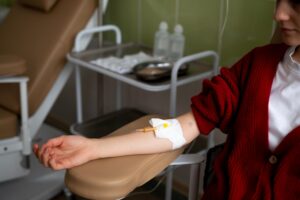
During a session, a small amount of blood is drawn and treated outside the body. That blood is mixed with oxygen and ozone in specific amounts, then slowly reintroduced through an IV. The process triggers chemical reactions that may influence how oxygen is used in tissues. That part is what draws most of the interest.
Once the treated blood circulates again, it moves through areas that may not always get ideal oxygen flow. This can affect antioxidant activity and levels of inflammation. Some providers describe it as giving the body a different kind of signal. The body still does the work on its own.
Benefits of EBO2 Therapy
People often look into EBO2 therapy because they are hoping to feel steadier or more energized. Better oxygen delivery may support how cells repair and function day to day. Detox support is another reason it comes up in wellness conversations. These changes are usually subtle, not instant.
Some people mention clearer thinking or less physical discomfort after sessions. Circulation support can also play a role in how nutrients move through the body. Others say they feel more even afterward. Results are personal and can vary widely.
Potential Risks of EBO2
EBO2 therapy does carry risks, like any treatment that involves IV access. Skin reactions or sensitivity to materials can happen, though they are not common. Infection at the insertion site is also possible if sterile steps are missed. That is why proper clinical handling matters.
Blood flow issues are another area that requires attention. Vein irritation or clotting concerns are monitored closely during treatment. Providers typically screen patients in advance to reduce these risks. Clear communication before starting is part of that process.
Effectiveness of EBO2 Treatment
How effective EBO2 treatment is can depend on several factors. In research settings, it has been explored for use during severe viral illnesses, including Ebola. Some findings suggest it lowers viral activity while supporting immune response. These results are still being studied rather than treated as final answers.
Outside of research trials, effectiveness looks different. Some people notice changes; others do not. Health status, timing, and consistency all play a role. Realistic expectations make these discussions easier.
Origin and Development of EBO2
EBO2 treatment was developed through shared efforts between researchers and medical providers. Early work focused on understanding how ozone interacts with blood at a cellular level. Lab studies came long before wider clinical use. Each phase shaped how the therapy is handled today.
Over time, methods became more refined and consistent. Dosage control and safety steps were adjusted through repeated observation. Interest continues as related applications are explored. The progress has been gradual, not sudden.
Related Topics: