

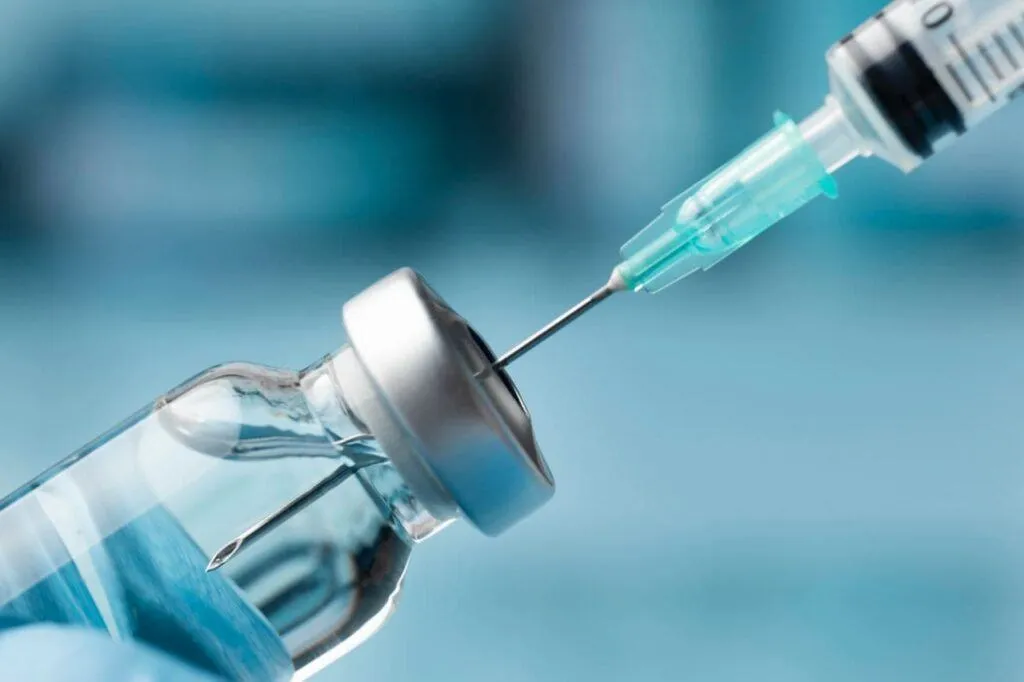
Exosome therapy uses tiny particles called exosomes to help heal and repair the body. These small packages carry important molecules that help cells talk to each other and fix problems. Professional therapy centers offer this treatment because it has demonstrated significant benefits for various health conditions. The therapy works by administering these healing particles to patients through injections or other methods. This approach helps with tissue repair, cancer treatment, brain disorders, and immune system problems.
What Are Exosomes?
Exosomes are like tiny mail carriers in your body. They’re extremely small – about 30 to 150 nanometers – and every cell in your body makes them. These little packages contain proteins, fats, and genetic material that they deliver to other cells. When exosomes reach their target cells, they share their contents and change how those cells work. This natural system helps your body stay healthy and repair itself when something goes wrong.
How Scientists Collect Exosomes
Scientists use several methods to collect exosomes for treatment. The most common way is ultracentrifugation, which spins samples at very high speeds to separate exosomes from other materials. Another method uses special filters that sort particles by size. Some labs use chemicals that make exosomes clump together so they’re easier to collect. Each method has its pros and cons, but all aim to obtain pure, healthy exosomes for therapeutic use.
How Exosome Therapy Works in Your Body
Exosomes work in several ways to aid in the healing of your body. They deliver helpful molecules directly to damaged or sick cells, which can change how those cells behave. The therapy can turn on healing processes, reduce inflammation, and help cells grow and repair themselves. Exosomes also act like messengers between different parts of your body, coordinating the healing response. This natural communication system makes the treatment very effective for many conditions.
Ways to Give Exosome Treatment
Doctors can give exosome therapy through different routes depending on what needs treatment. Most patients receive the therapy through an IV, which spreads the exosomes throughout the whole body. For specific areas, doctors might inject the therapy directly into muscles, under the skin, or even through the nose for brain conditions. The amount given depends on the patient’s condition, size, and health status. Treatments typically contain billions of exosomes and may be repeated based on the patient’s response.
Medical Uses for Exosome Therapy
Exosome therapy helps treat many different health problems:
- Tissue Repair: Exosomes aid in the healing of damaged tissues by promoting new cell growth and reducing scarring.
- Cancer Treatment: These therapies can deliver cancer-fighting drugs directly to tumors while avoiding healthy tissue.
- Brain Disorders: Exosomes may help treat diseases like Alzheimer’s and Parkinson’s by protecting brain cells and reducing inflammation.
- Immune Problems: The therapy can calm overactive immune systems in autoimmune diseases or boost weak immune responses.
These applications demonstrate the versatility and benefits of exosome therapy for various medical conditions.
What’s Next for Exosome Therapy
Research into exosome therapy continues to move forward with exciting discoveries. Scientists are working to improve the collection process and load exosomes with more beneficial materials. They’re also studying exactly how exosomes work in the body to make treatments more effective. New engineering methods are being developed to create custom exosomes for the treatment of specific diseases. As more studies are completed, we can expect exosome therapy to become available for an increasing number of conditions in the coming years.
Related Topics: