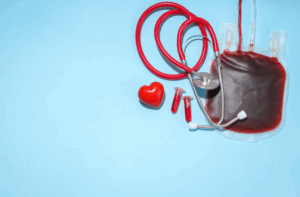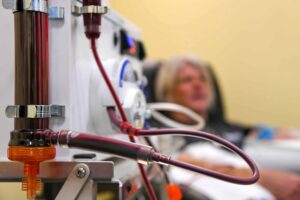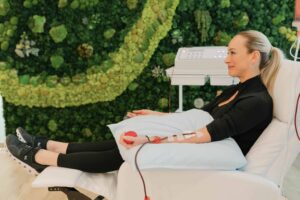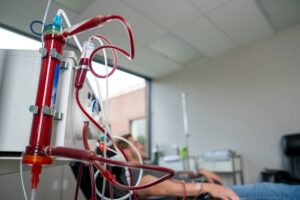
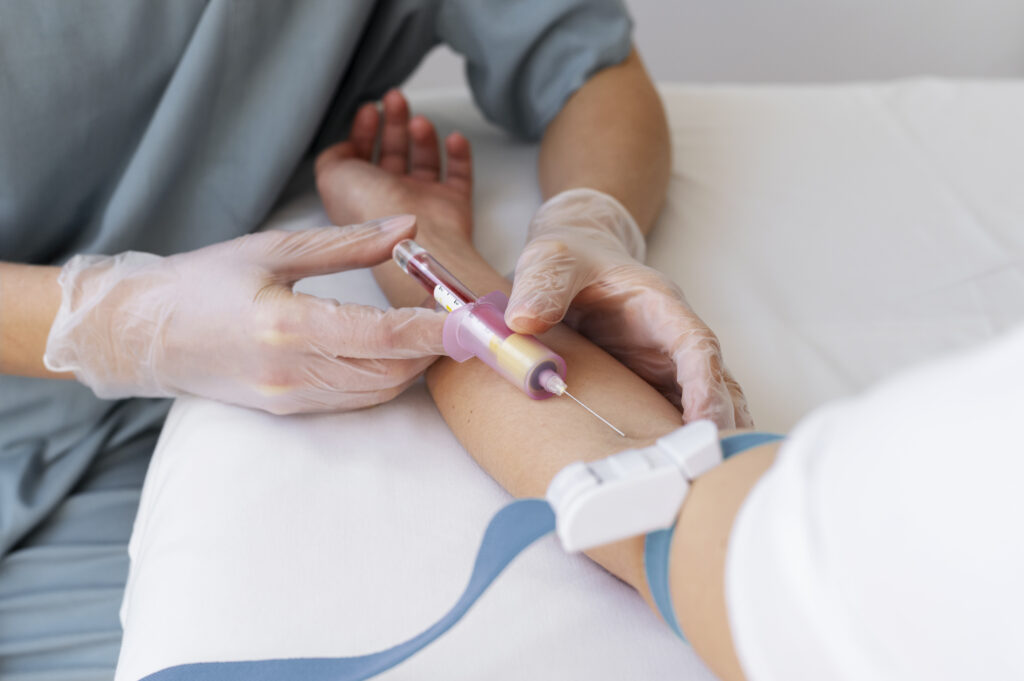
Extracorporeal blood oxygenation and ozonation (EBO2) is a hands-on medical procedure that works with blood outside the body for a short time before returning it to circulation. During a session, a small amount of blood is withdrawn, mixed with oxygen and ozone, and then slowly reinfused while the patient is monitored.
The technique has been in use since the mid-20th century and has evolved through real clinical experience rather than theory. An EBo2 therapy center typically follows established protocols for blood handling, timing, and observation to maintain each treatment as steady and controlled as possible.
How Does EBO2 Therapy Work?
The process behind EBO2 therapy involves several steps that work together to improve blood function. When blood gets exposed to both oxygen and ozone during treatment, red blood cells pick up more oxygen than they normally would. At the same time, the ozone creates reactive oxygen species that help eliminate toxins and harmful microorganisms.
This dual approach serves two main purposes. The oxygenation part helps tissues receive better oxygen delivery throughout the body. The ozonation component builds up the blood’s natural antioxidant defenses and improves how cells function overall.
Think of it like giving your blood a tune-up. The oxygen makes sure everything runs smoothly, while the ozone acts like a cleaning agent that removes the buildup of harmful substances.
What Conditions Can EBO2 Help Treat?
Medical professionals consider EBO2 therapy for several types of health problems. Patients with chronic infections often see improvements because the ozone component helps fight off stubborn pathogens that conventional treatments might miss.
People dealing with autoimmune disorders may benefit from EBO2’s ability to modulate inflammatory responses. The therapy also shows promise for circulatory issues since improved oxygenation can help blood flow more effectively to organs and tissues.
The treatment’s flexibility comes from being able to adjust both oxygen levels and ozone concentrations based on individual patient needs. This customization allows doctors to target specific health concerns while keeping risks minimal.
Is EBO2 Therapy Safe and Effective?
Safety considerations play a major role in EBO2 treatment protocols. Healthcare providers monitor several key indicators during therapy, including blood cell counts and coagulation profiles. They also watch for inflammatory markers to ensure the treatment isn’t causing unwanted reactions.
Recent studies have documented some encouraging results. Patients typically show increased blood oxygen levels after EBO2 sessions. Many also experience reduced inflammation markers, which suggests the therapy might help calm overactive immune responses.
The antioxidant benefits appear particularly interesting. Research indicates that EBO2 therapy can boost the body’s natural defense systems against oxidative stress, though scientists are still studying exactly how long these effects last.
However, medical professionals need to watch for potential complications. These can include hemolysis (breakdown of red blood cells), thrombosis (blood clot formation), or systemic inflammation in some patients.
What Does Current Research Say About EBO2?
Scientific investigations into EBO2 therapy have produced some noteworthy findings over the past few years. Studies consistently show measurable improvements in blood oxygenation levels following treatment sessions.
Inflammatory marker reduction represents another area where researchers have documented positive changes. This finding supports the idea that EBO2 might help manage conditions where chronic inflammation plays a role.
The immune system effects are still being studied, but preliminary data suggests EBO2 could influence how the immune system responds to various challenges. Some researchers think this might open new treatment possibilities for autoimmune conditions.
Long-term safety data remains limited, though. Most studies focus on short-term outcomes, so scientists are calling for more research to understand what happens with extended use.
The History Behind EBO2 Development
The development of EBO2 therapy started back in the mid-20th century when researchers were looking for better ways to oxygenate blood outside the body. Early attempts faced significant challenges with both efficiency and safety concerns.
The big breakthrough came when scientists figured out how to safely integrate ozone into the oxygenation process. This combination approach opened up new possibilities that neither oxygen nor ozone could achieve alone.
Over the decades, equipment improvements and better understanding of optimal gas concentrations have made EBO2 safer and more reliable. Modern systems can precisely control both oxygen and ozone levels, allowing for more targeted treatments.
What’s Next for EBO2 Therapy?
Looking ahead, EBO2 therapy might transform how doctors approach certain medical conditions. The ability to simultaneously address oxygenation, inflammation, and immune function makes it potentially valuable for complex health problems.
Sepsis treatment could benefit significantly from EBO2’s multiple mechanisms of action. Acute respiratory distress syndrome and organ failure cases might also see improved outcomes with better tissue oxygenation.
Chronic inflammatory conditions and autoimmune diseases represent another frontier where EBO2’s immune-modulating effects could make a real difference.
The key challenge moving forward involves conducting larger, long-term studies to fully understand both the benefits and risks. Researchers also need to identify which patient populations respond best to EBO2 therapy and develop standardized protocols for different conditions.
Medical centers that offer EBO2 typically require specialized training and equipment, so broader adoption will depend on proving consistent clinical benefits across various health conditions.
Contact Us
We’re here to assist you on your wellness journey. Whether you’re curious about EBOO therapy, have questions about our services, or wish to schedule an appointment, reaching out is simple.
Visit Us: 29000 S Western Ave, Suite 201, Rancho Palos Verdes, CA 90275
Call Us: (424) 468-9437
Email Us: info@ebo2therapy.com
Business Hours:
- Monday – Saturday: 8 AM – 7 PM
- Sunday: Closed
Contact us for inquiries about EBOO therapy, appointments, or consultations.
Related Topics: