
Blood-based therapies have become popular options for people looking into alternative and supportive health treatments. TPE (Therapeutic Plasma Exchange) and EBO2 are two procedures that focus on blood purification, but they work in different ways. A reputable EBo2 therapy clinic can help you understand which option fits your specific health goals. This post covers the key characteristics, applications, and benefits of each treatment. Understanding these differences makes it easier to decide which approach may work best for you.
Key Characteristics of TPE
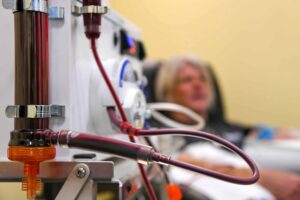
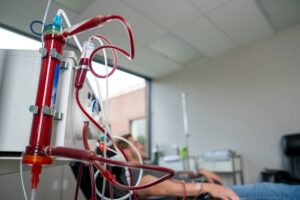
Therapeutic Plasma Exchange (TPE) is a medical procedure that filters and replaces plasma in the blood. During treatment, blood is drawn from the body, separated into its components, and the plasma portion is removed. Fresh plasma or a plasma substitute then replaces what was taken out. TPE targets harmful antibodies, toxins, and other substances that may contribute to certain health conditions. The procedure typically takes a few hours and may require multiple sessions depending on individual needs. TPE has a strong track record in clinical settings and remains a trusted option for specific medical situations.
Applications of TPE
TPE serves patients dealing with autoimmune conditions, neurological disorders, and certain blood-related issues. Doctors often recommend it for conditions where the immune system attacks healthy cells or tissues. The treatment can help reduce inflammation and remove problematic proteins from the bloodstream. TPE has shown positive results for patients with myasthenia gravis, Guillain-Barré syndrome, and other autoimmune conditions. Medical teams use it both as a standalone treatment and in combination with other therapies. Its ability to directly filter the blood makes it a valuable tool in managing complex health situations.
Understanding EBO2 Technology
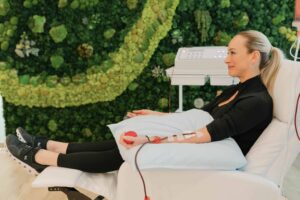
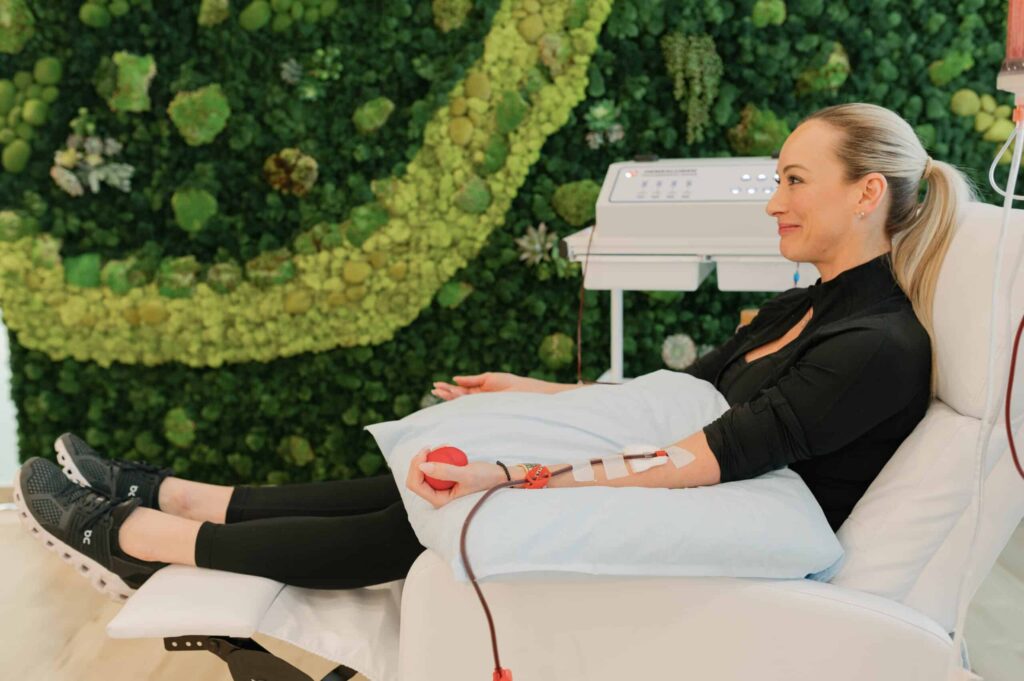
EBO2 (Extracorporeal Blood Oxygenation and Ozonation) therapy combines blood filtration with ozone treatment. Here are the main components of EBO2 technology:
- Blood Filtration: EBO2 uses specialized filters to separate and clean blood components during the procedure.
- Ozone Infusion: Medical-grade ozone gets introduced to the filtered blood, adding oxygen and supporting cellular function.
- Recirculation System: The treated blood returns to the body through a closed-loop system that maintains safety throughout the session.
These elements work together to create a comprehensive approach to blood treatment that many patients find beneficial.
Functions of EBO2
EBO2 therapy aims to increase blood oxygen levels while supporting the body’s natural detoxification processes. The ozone infusion helps stimulate circulation and may support immune function. Many patients report feeling more energized after sessions. The procedure also targets waste products and metabolic byproducts that can build up in the bloodstream over time. EBO2 sessions typically last between 45 minutes and an hour, depending on individual protocols. The treatment continues to gain attention as more people seek therapies that support overall wellness and vitality.
A Comparative Analysis
Comparing TPE and EBO2 helps highlight what makes each treatment distinct:
- Treatment Approach: TPE removes and replaces plasma to filter out harmful substances.
- EBO2: Filters blood while adding ozone for oxygenation support.
- Primary Focus:TPE: Targets specific medical conditions involving antibodies or toxins.
- EBO2: Supports general wellness, oxygen levels, and detoxification.
- Treatment Setting:TPE: Typically performed in hospitals or specialized medical centers.
- EBO2: Often available at wellness clinics and integrative health facilities.
Choosing Between TPE and EBO2
Deciding between TPE and EBO2 depends on your health goals and specific situation. TPE works best for diagnosed medical conditions that require plasma filtration under close medical supervision. EBO2 appeals to those interested in supporting their overall wellness, boosting energy, and promoting natural detoxification. Consider your current health status, what you want to achieve, and the recommendations from qualified practitioners. Both treatments offer valuable benefits when matched to the right needs. Taking time to research and ask questions helps you find the approach that aligns with your personal health path.
Related Topics: