
Understanding EBOO devices becomes important when dealing with serious medical situations that require advanced life support. A quality therapy clinic often uses these machines to help patients with severe heart or lung problems. These devices temporarily take over the work that your heart and lungs normally do. This guide covers what EBOO devices are, how they work, and what you should know about them. We’ll also look at their benefits, limitations, and future uses in healthcare.
Understanding EBOO Devices
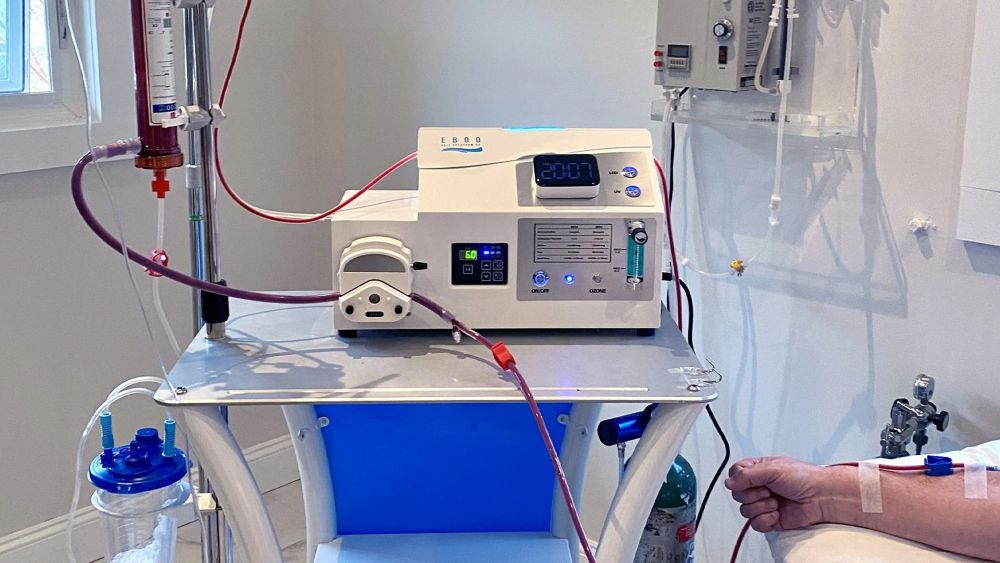
An EBOO device stands for Extracorporeal Membrane Oxygenation- a medical machine that provides life support. It temporarily replaces heart and lung functions when patients have severe respiratory or cardiac failure. The device removes blood from your body, adds oxygen, removes carbon dioxide, and returns it to you. This process keeps your blood oxygenated while giving your heart and lungs time to heal. These complex systems need specialized training to operate safely and are typically used in intensive care units and during major surgeries.
How EBOO Devices Function
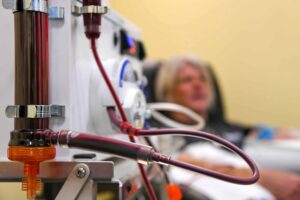
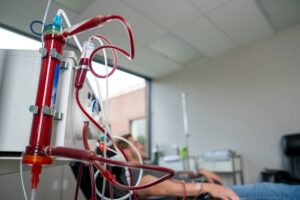
The device works by taking blood from your body and passing it through a special membrane that adds oxygen and removes carbon dioxide. A pump keeps the blood moving through the system while a gas exchanger handles the oxygen and carbon dioxide transfer. The machine constantly monitors the levels of these gases in your blood and adjusts automatically. This process ensures your vital organs receive the oxygen they need to function properly. The continuous monitoring helps healthcare providers customize treatment for each patient’s specific needs.
Benefits of EBOO Treatment
EBOO devices provide rapid, effective blood oxygenation in patients facing life-threatening situations. They quickly fix severe oxygen shortages and carbon dioxide buildup in the blood. Continuous monitoring and adjustment of oxygen levels prevent organ damage from hypoxia. These devices also help maintain proper blood pH balance by removing excess carbon dioxide. They work particularly well for patients with acute respiratory failure, cardiac arrest, or severe trauma where standard treatments might not be fast enough to save lives.
Device Limitations and Challenges
EBOO devices have several important limitations that healthcare providers must consider. Device malfunctions can occur due to software issues, hardware failures, or power issues, interrupting treatment and requiring immediate attention. Regular maintenance and calibration are necessary to keep the device working at peak performance. Not all patients can use EBOO devices; some medical conditions or physical constraints make them unsuitable. Healthcare teams need to understand these limitations to make the best decisions for patient care.
Common Questions About EBOO Devices
Healthcare professionals and patients often ask about various aspects of EBOO technology:
- How does an EBOO device work?
- What is the typical lifespan of an EBOO device?
- Can EBOO devices be used in conjunction with other medical devices?
- Are EBOO devices portable for home use?
- What safety measures should be considered when using an EBOO device?
These questions help clarify operational details, maintenance needs, compatibility issues, and safety protocols. Knowing these answers helps users get the most benefit from this advanced medical technology.
Future Uses for EBOO Technology
EBOO technology continues to evolve with exciting new possibilities ahead. Medical facilities are exploring ways to integrate these devices for non-invasive monitoring of vital signs, such as blood pressure and oxygen levels. Researchers are studying how EBOO devices might deliver targeted medications directly to specific body areas. In sports medicine, these devices could provide real-time feedback on athletes’ physical responses during training or competition. The potential applications for EBOO technology continue to expand, offering new solutions across many different healthcare fields.
Related Topics: