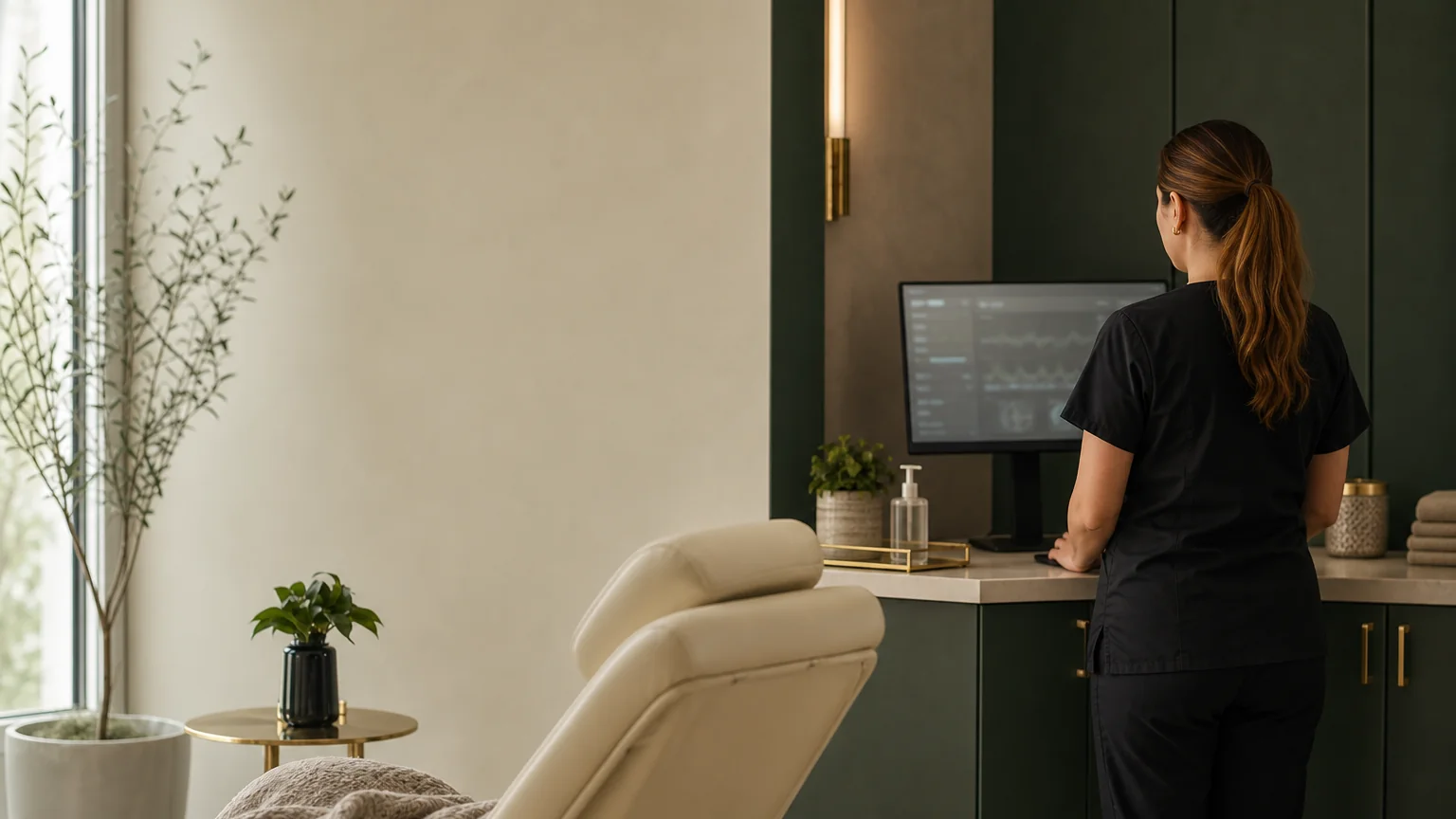
If you are considering TPE, the first practical question is usually not technical - it is time. How long does therapeutic plasma exchange take in real life, from arrival to discharge, and what might extend the visit? For most clients, the treatment session itself often lasts about 2 to 4 hours, but the full appointment can be longer once check-in, preparation, monitoring, and post-session review are included.
That short answer is useful, but it is not the whole picture. Therapeutic plasma exchange is a provider-guided, medically supervised procedure, so timing depends on your personalized protocol, your vascular access, how much plasma is being exchanged, and how your body responds during the session. In a concierge longevity setting, the goal is not to rush the process. It is to perform it carefully, comfortably, and with appropriate clinical oversight.
How long does therapeutic plasma exchange take for most people?
Most TPE sessions fall into the 2 to 4 hour range for the exchange itself. Some appointments move more quickly, while others take longer. If this is your first session, you should also expect additional time for clinical intake, consent, baseline vitals, and a provider review of your plan.
In other words, many people should reserve at least half a day rather than trying to squeeze plasma exchange into a tight schedule between meetings. Affluent professionals, executives, and frequent travelers often appreciate this point upfront. The treatment may be structured efficiently, but it is still a physician-supervised procedure that deserves adequate time.
Why session length varies
The biggest reason timing varies is that TPE is not one-size-fits-all. The process involves removing plasma and replacing it according to a provider-guided protocol. The volume exchanged matters, and larger exchange volumes generally take longer.
Vascular access also affects timing. If access is straightforward and flow is consistent, the session may proceed more efficiently. If access requires more careful management, the treatment can take longer. This is one reason screening and pre-treatment planning matter.
Body size, circulation, hydration status, and overall tolerance may also influence session pace. In some settings, a provider may intentionally slow the process if a patient benefits from a more measured approach. Faster is not always better.
First session vs follow-up sessions
A first appointment is often the longest. There is usually more discussion, more education, and more attention to setup. Follow-up visits may feel more streamlined because your team already knows your history, response pattern, and preferred comfort measures.
That said, follow-up timing can still vary if your protocol changes over time. A personalized protocol may be adjusted based on goals, response, lab review, or broader longevity planning.
The role of monitoring
Therapeutic plasma exchange is not simply a passive infusion. Monitoring is part of the experience. Your care team tracks vitals, comfort, and treatment flow throughout the session. If anything needs to be adjusted, that can add time, but it also reflects appropriate clinical care.
What to expect from arrival to discharge
A more realistic way to think about timing is to separate the appointment into phases. You arrive, complete pre-treatment review, get settled, have vascular access established, undergo the exchange itself, and then remain for a short observation period afterward as needed.
For many clients, the total door-to-door experience may be closer to 3 to 5 hours. Some visits are shorter. Some are longer. If this is your first experience with plasmapheresis, building in flexibility is wise.
Is therapeutic plasma exchange the same as plasmapheresis?
In many conversations, yes. Therapeutic plasma exchange is often referred to as TPE or plasmapheresis. People may use the terms interchangeably, although the exact clinical meaning can vary by context. If you are researching options, you will often see all three names used.
That matters because people frequently search for timing under different terms. Whether you ask how long TPE takes or how long plasmapheresis takes, the practical answer is similar - typically a few hours for the treatment itself, with extra time around it for preparation and monitoring.
How to plan your day around TPE
The simplest advice is to avoid stacking your calendar too tightly. Even if your session is expected to last around 3 hours, it is better to leave room before and after. Some clients feel ready to resume a normal schedule later the same day. Others prefer a lighter day with space for hydration, rest, and recovery support.
If you are traveling in for care, same-day return plans should be made thoughtfully. A private consultation can help clarify whether your schedule, goals, and overall wellness plan make that practical.
Comfort also matters. Wear clothing that allows easy access for treatment setup, eat according to your provider's instructions, and arrive well prepared rather than rushed. A calm start tends to make the experience smoother.
What can make TPE take longer?
A few factors commonly extend treatment time. Access challenges are one. Protocol complexity is another. If your provider wants a more gradual session based on your needs, that can lengthen the appointment.
Unexpected pauses can also happen. Machines may need adjustments. Flow rates may need fine-tuning. You may need a break or additional monitoring. None of this automatically signals a problem. It often reflects individualized care.
The key trade-off is efficiency versus precision. In a high-trust clinical environment, precision should win every time.
Does a series of TPE sessions change the timing?
Sometimes. If you are scheduled for a series, later sessions may feel more predictable because your response pattern is already known. Setup may be more familiar, and your care team may have a clearer sense of what supports your comfort and timing.
But a series does not guarantee every appointment will match the last one exactly. Therapeutic plasma exchange is still a dynamic, provider-guided therapy. The session length may shift based on how your protocol evolves.
Questions worth asking before your appointment
If timing matters to you, ask direct questions during your consultation. Ask how long the exchange itself is expected to take, how much time to allow for the full visit, whether this is likely to be longer for a first session, and what factors could change the estimate.
You can also ask what the recovery window usually looks like for someone with your schedule and goals. For a busy professional, athlete, or high-frequency traveler, the logistics matter almost as much as the treatment plan.
The value of a physician-supervised setting
For a therapy like TPE, the environment matters. A physician-supervised, consultation-based practice is designed to look beyond the clock and consider fit, screening, and protocol design. That does not mean sessions become unnecessarily long. It means time is used deliberately.
In a premium setting such as EBO2 Therapy and Wellness, that may include more individualized planning around your broader cellular wellness and recovery support strategy. Some clients exploring TPE are also considering other advanced wellness therapies, such as IV support, NAD+ Therapy, Hyperbaric Oxygen Therapy, Red Light Therapy, or oxygenation-focused services like EBO3 Therapy. The right sequence and spacing between therapies can influence scheduling and comfort.
Safety, screening, and realistic expectations
Any conversation about TPE timing should include an equally clear note about screening. Not everyone is a candidate, and the right protocol depends on medical history, goals, and provider assessment. Screening is required, and results vary.
This matters because people often want a simple answer to a complicated question. The honest answer is that most therapeutic plasma exchange sessions take a few hours, but the right time estimate comes from a qualified provider reviewing your specific plan.
If you are seeking a private, medically responsible longevity setting in Rancho Palos Verdes or West Palm Beach, asking detailed questions before you book is not overcautious. It is the right way to approach advanced wellness care.
The best way to think about TPE is not as a quick errand, but as protected time set aside for a carefully managed, personalized procedure.
Ready to talk with our team?
Book a complimentary consultation at our Rancho Palos Verdes or West Palm Beach clinic.
Request a ConsultationRelated services
Established therapeutic plasma exchange (TPE) indications in ASFA guidelines are disease-specific. Longevity or general-wellness use in healthy individuals is not an ASFA-endorsed indication, and recent 2025 studies of plasmapheresis-based aging biomarkers are small, use surrogate endpoints, and report conflicting results — some epigenetic clocks even increased.
- ASFA Guidelines on the Use of Therapeutic Apheresis in Clinical Practice — 9th Special Issue
American Society for Apheresis, Journal of Clinical Apheresis (DOI 10.1002/jca.22043, PMID 37017433)
Reference guideline categorizing evidence-based medical indications for therapeutic apheresis including TPE. Wellness/longevity use is not addressed as an endorsed indication.
- Randomized trial of therapeutic plasma exchange plus IVIG on aging biomarkers
Aging Cell (DOI 10.1111/acel.70103)
Small randomized trial of TPE combined with IVIG reporting movement on surrogate aging biomarkers. Not a longevity outcomes trial; results are not proof of extended lifespan or general anti-aging benefit.
- Effects of plasmapheresis on epigenetic aging biomarkers — Scientific Reports 2025
Scientific Reports (Nature) 2025
Different plasmapheresis protocol reporting no epigenetic rejuvenation and increases in some epigenetic clocks. Presented alongside the acel.70103 trial so evidence remains balanced and non-promotional.
References describe general evidence, safety, or regulatory context. They do not establish an individual benefit for any specific person, and they do not validate EBO2's proprietary clinic protocols.
Related reading
More from the EBO2 Therapy and Wellness library.
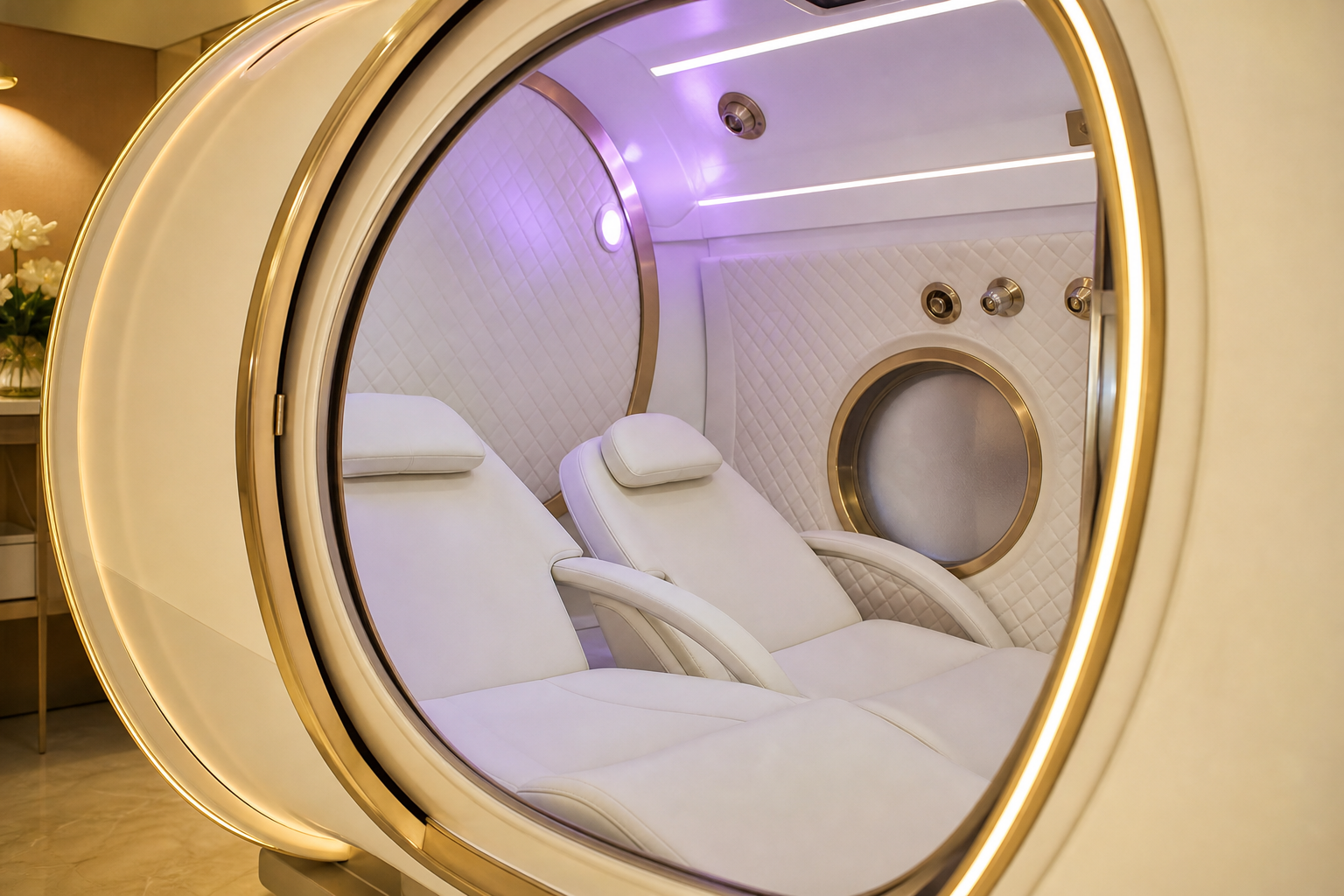
HBOT Versus Oxygen Chambers: What Changes?
HBOT versus oxygen chambers: learn how pressure, oxygen delivery, screening, and clinical oversight differ when selecting a personalized wellness protocol.
Read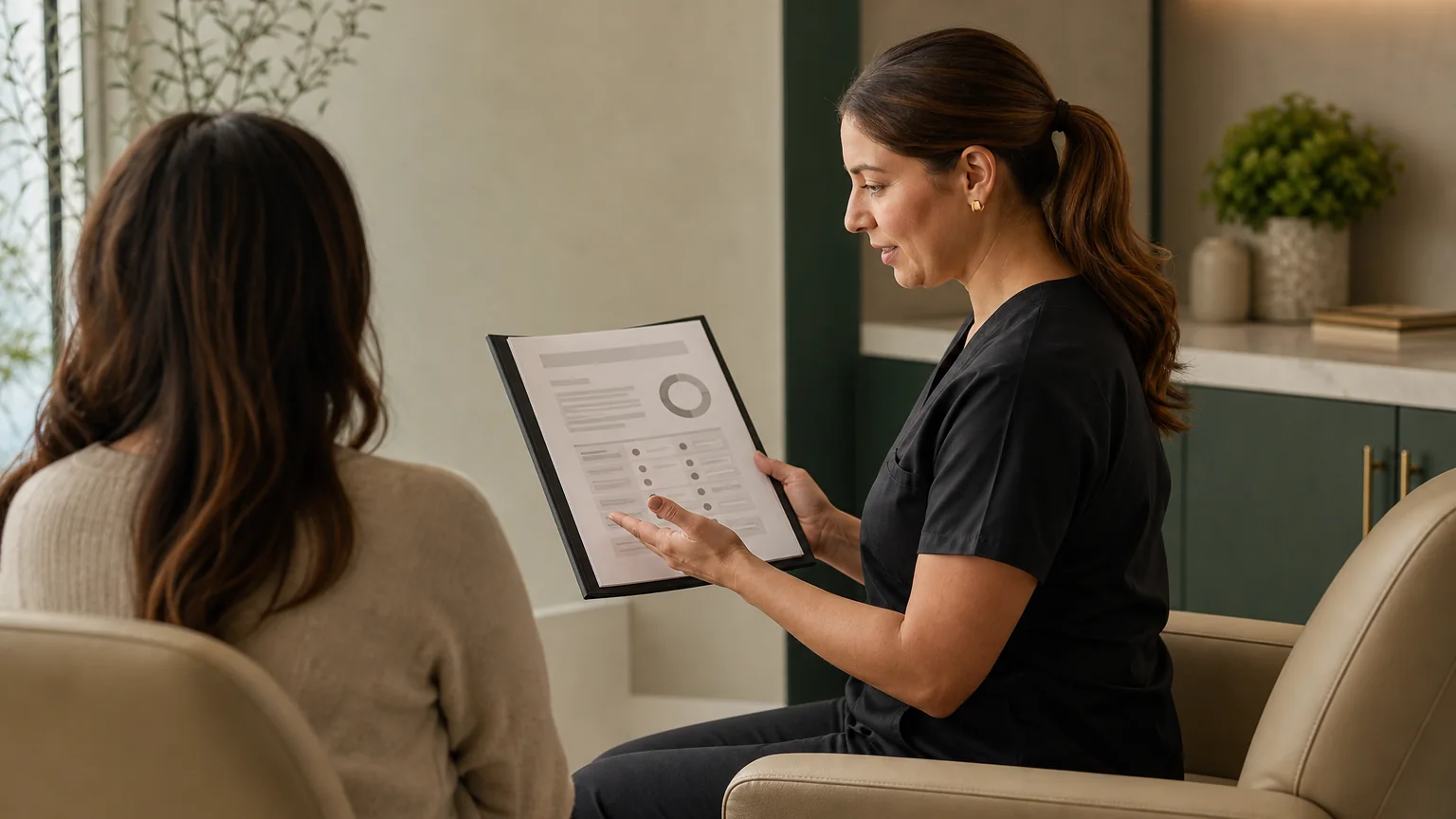
What a Regenerative Biologics Consultation Covers
A regenerative biologics consultation reviews goals, history, screening, and personalized wellness options with a physician-guided concierge care team.
Read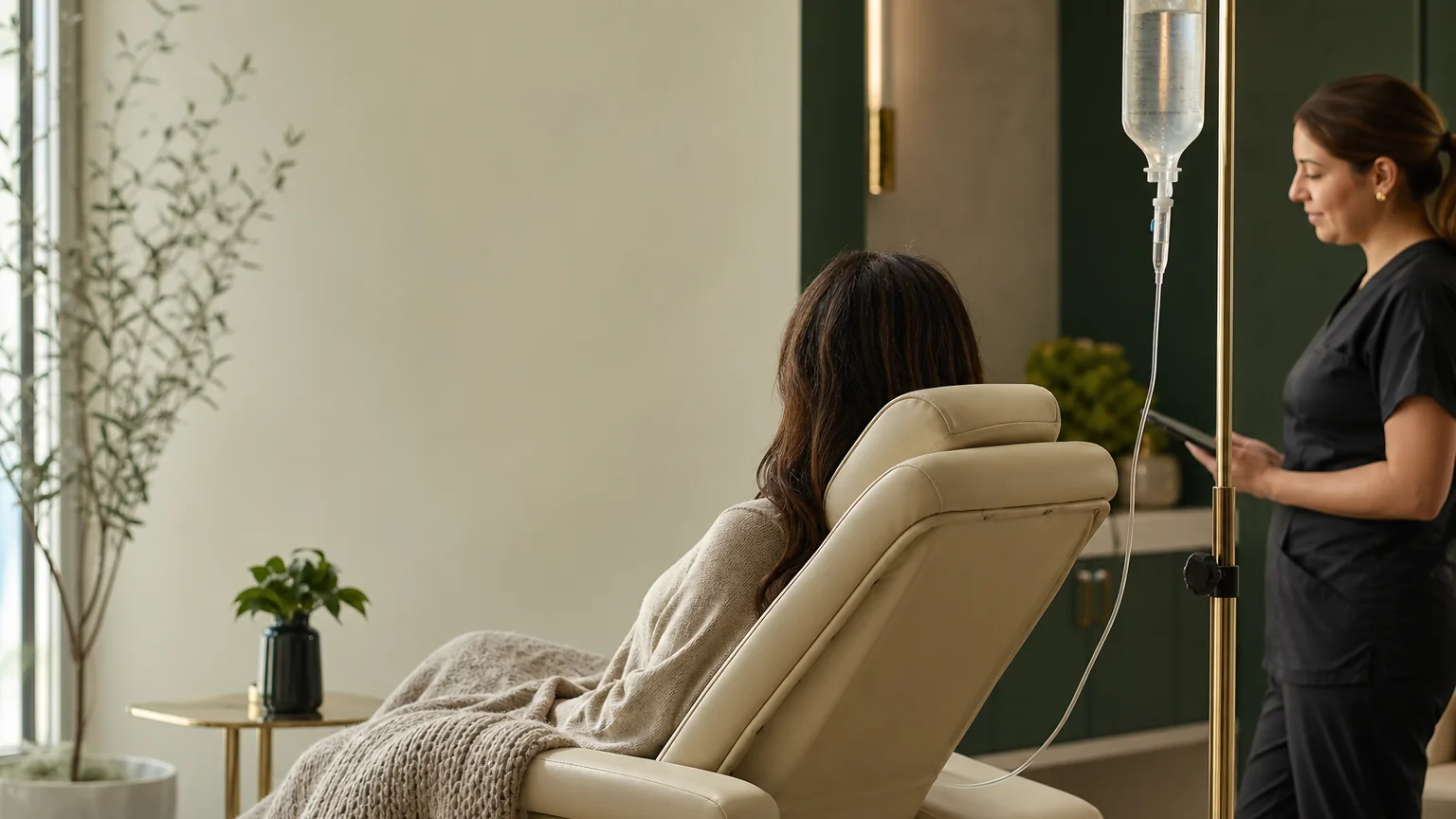
Can NAD IV Support Focus? A Clinical View
Can NAD IV support focus? Learn how physician-guided NAD+ therapy may fit a personalized plan for cognitive wellness, energy, recovery, and longevity care.
ReadMedical Disclaimer: Information on this website is for educational purposes only and is not intended to diagnose, treat, cure, or prevent any disease. It is not a substitute for medical advice. Individual results vary. Consult a qualified healthcare provider before beginning any treatment.