NAD therapy is often requested by people who feel that their schedule, travel, training load, or sustained professional demands have begun to outpace their recovery. It is not a shortcut for sleep, nutrition, movement, or medical care. When thoughtfully selected, however, NAD+ therapy may be a useful part of a provider-guided plan designed to support cellular wellness, energy metabolism, recovery, and longevity-focused goals.
Considering NAD+ Therapy? Explore our full NAD+ Therapy program at EBO2 Therapy and Wellness — learn more →
At EBO2 Therapy and Wellness, NAD+ IV therapy is approached as a private, consultation-based service rather than a one-size-fits-all infusion. The appropriate dose, infusion rate, frequency, and supportive therapies depend on the individual, their health history, current medications, and the goals that bring them in.
What Is NAD Therapy?
NAD therapy typically refers to the intravenous administration of nicotinamide adenine dinucleotide, commonly called NAD+. NAD+ is a naturally occurring coenzyme involved in essential cellular processes, including redox reactions that help cells convert nutrients into usable energy. It also participates in pathways associated with cellular maintenance and signaling.
NAD+ levels can change with age, stress, disrupted sleep, alcohol intake, metabolic demands, and other lifestyle factors. That biological context has made NAD+ a subject of considerable interest in longevity and performance medicine. Still, interest should not be confused with a guarantee of outcomes. NAD therapy is a wellness-focused intervention, and results vary substantially between individuals.
For the right client, an NAD+ infusion may fit within a personalized protocol focused on energy support, cognitive wellness, recovery support, or healthy aging. It is not intended to diagnose, cure, or replace care for a medical condition.
Also Known As NAD+ IV Therapy
You may see this service described as NAD+ therapy, NAD IV therapy, NAD infusion, or nicotinamide adenine dinucleotide infusion. These terms generally refer to the same broad concept, though protocols can differ significantly between practices.
The details matter. A slow, carefully monitored infusion experience is different from a high-volume, rapid IV offering. For a concierge practice, clinical oversight, client comfort, appropriate screening, and a protocol that reflects the individual are central to the experience.
Why Clients Consider NAD+ Therapy
Clients tend to seek NAD+ therapy for practical, high-performance reasons. An executive managing frequent time-zone changes may be looking for recovery support during a demanding season. An athlete may want a more intentional cellular wellness routine alongside training, nutrition, and rest. Others are interested in longevity planning and want to discuss interventions that may support their broader wellness strategy.
NAD+ is involved in cellular energy pathways, which is why the therapy is frequently associated with energy support. But a sophisticated protocol does not promise a dramatic or immediate change. Some clients describe feeling more refreshed or mentally clear after a series of provider-guided sessions; others notice subtler changes, or no meaningful change. A responsible conversation begins with those possibilities rather than exaggerated claims.
NAD therapy may be considered alongside goals such as:
- Supporting energy and recovery during periods of high demand
- Complementing a healthy-aging or longevity-focused wellness plan
- Supporting cognitive wellness and focused performance habits
- Building a more structured recovery routine around travel, training, or demanding work
It depends on the person, their baseline health, and what else is already in place. For many clients, the greatest value is not a single infusion but the clarity that comes from a personalized plan with realistic expectations.
What to Expect From an NAD Therapy Appointment
The process should begin before an IV is placed. A private consultation reviews wellness goals, health history, medications, relevant sensitivities, prior IV experience, and whether NAD+ therapy is appropriate at this time. Screening is required, and some clients may be advised to pursue additional medical evaluation or a different service altogether.
If NAD+ therapy is selected, the infusion is administered in a comfortable clinical setting under physician-supervised protocols. NAD+ is often delivered slowly because infusion rate can influence comfort. During treatment, clients may experience temporary sensations such as warmth, nausea, abdominal discomfort, chest pressure, muscle tightness, or a need to slow the rate. These sensations are one reason careful pacing and provider access matter.
The appointment length varies based on the protocol and how the client tolerates the infusion. This is not typically a rushed, walk-in IV experience. Clients should expect an environment designed for privacy, observation, and thoughtful adjustments when needed.
Afterward, a provider may discuss hydration, nutrition, activity level, and whether a follow-up session makes sense. Some people choose a limited series; others incorporate NAD+ therapy periodically into a larger longevity-focused program. Neither approach is automatically right. The protocol should remain responsive to how the client feels and what their care team observes over time.
NAD Therapy Safety and Screening
IV therapies warrant clinical judgment. NAD+ therapy is not appropriate for every person, and a premium wellness setting should never treat screening as a formality. Medical history, medication use, pregnancy status, current symptoms, cardiovascular considerations, and prior reactions to infusions can all shape eligibility and planning.
Clients should disclose all prescribed medications, supplements, allergies, and active health concerns. Provider-guided care is especially important for anyone with a complex medical history or ongoing treatment under another clinician. NAD+ therapy should not be used as a substitute for urgent medical evaluation, prescribed treatment, or essential preventive care.
A properly paced infusion and attentive monitoring may help support a more comfortable experience, but no procedure is without risk. The provider should explain potential considerations, answer questions directly, and establish clear next steps if a client feels unwell during or after treatment.
Where NAD+ Fits in a Personalized Wellness Protocol
NAD+ therapy is often more valuable when considered in context. For example, a client focused on post-travel recovery may discuss IV hydration and nutrient support, red light therapy, or hyperbaric oxygen therapy as part of a broader routine. Someone with longevity-focused priorities may prefer to begin with a CTOI Cellular Optimization Report and a detailed consultation before selecting services.
Other clients may be exploring physician-guided peptide therapy, glutathione support, methylene blue IV, or advanced oxygenation-focused services such as EBO3 Therapy. These are distinct modalities with different considerations, and they should not be presented as interchangeable. The right combination depends on goals, screening, clinical judgment, scheduling, and tolerance.
This is also where concierge care becomes meaningful. Rather than collecting therapies from a menu, clients can work through priorities in an orderly way: establish the goal, identify the relevant inputs, consider the trade-offs, and build a personalized protocol that respects time, privacy, and medical responsibility.
NAD+ Therapy in Rancho Palos Verdes and West Palm Beach
EBO2 Therapy and Wellness provides private, physician-supervised NAD+ therapy for clients in Rancho Palos Verdes, California, and West Palm Beach, Florida. Clients also visit from surrounding South Bay, Los Angeles, Orange County, Palm Beach County, and South Florida communities when they want a more discreet, provider-guided approach to advanced wellness therapies.
A consultation is the appropriate starting point for anyone considering NAD therapy. It creates space to discuss whether the service aligns with current goals, what an individualized appointment may involve, and whether another recovery-focused or cellular wellness option is a better fit.
Frequently Asked Questions
How quickly does NAD therapy work?
Experiences vary. Some clients report noticing a difference in how they feel shortly after an infusion, while others describe more gradual or subtle effects. No specific outcome or timeline can be guaranteed.
How often can someone receive NAD+ therapy?
Frequency is individualized. It may depend on wellness goals, response to prior sessions, medical history, schedule, and the clinician's recommendation. More frequent is not inherently better.
Is NAD+ therapy the same as taking oral NAD supplements?
No. Oral supplements and IV NAD+ therapy differ in formulation, delivery, dosing, absorption, and clinical experience. A provider can help explain which approach, if any, makes sense within a broader plan.
Can NAD therapy replace sleep or recovery habits?
No. Consistent sleep, nutrition, hydration, stress management, movement, and appropriate medical care remain foundational. NAD+ therapy is best viewed as a possible complement to those habits, not a replacement.
The most thoughtful longevity plans are built around discernment, not urgency. A private consultation can help determine whether NAD+ therapy belongs in your routine and, if so, how to pursue it with appropriate pacing, screening, and purpose.
Ready to talk with our team?
Book a complimentary consultation at our Rancho Palos Verdes or West Palm Beach clinic.
Request a ConsultationRelated services
Preclinical rationale for NAD metabolism does not establish clinical effectiveness of IV or IM NAD+ for anti-aging or general wellness. Compounded NAD+ preparations must be prepared with ingredients suitable for sterile compounding.
- FDA — reminder to compounders to use ingredients suitable for sterile compounding
U.S. Food & Drug Administration
FDA safety guidance on sterile compounding standards relevant to compounded NAD+ preparations. Regulatory context only; not a benefit statement.
- PRISMA systematic review of intravenous / intramuscular NAD+ for anti-aging and wellness
Peer-reviewed systematic review (PMID 41655607)
Systematic review reporting no eligible outcomes trials of IV/IM NAD+ for anti-aging or wellness endpoints; effectiveness remains inconclusive.
References describe general evidence, safety, or regulatory context. They do not establish an individual benefit for any specific person, and they do not validate EBO2's proprietary clinic protocols.
Related reading
More from the EBO2 Therapy and Wellness library.

Top IV Nutrients for Energy: A Clinical Guide
Explore top IV nutrients for energy, from B vitamins to magnesium and NAD+, with physician-guided considerations for personalized wellness support today.
Read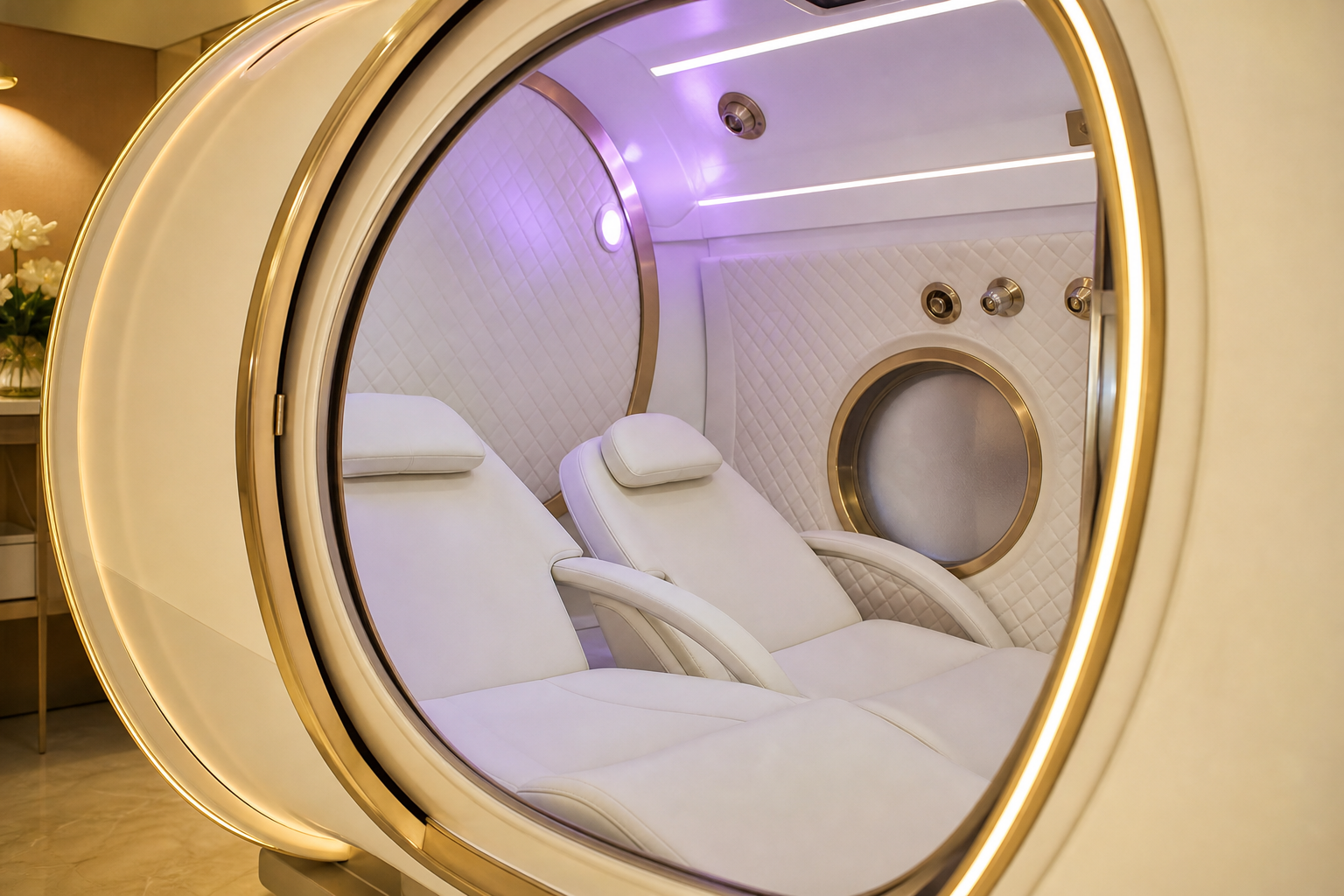
HBOT Versus Oxygen Chambers: What Changes?
HBOT versus oxygen chambers: learn how pressure, oxygen delivery, screening, and clinical oversight differ when selecting a personalized wellness protocol.
Read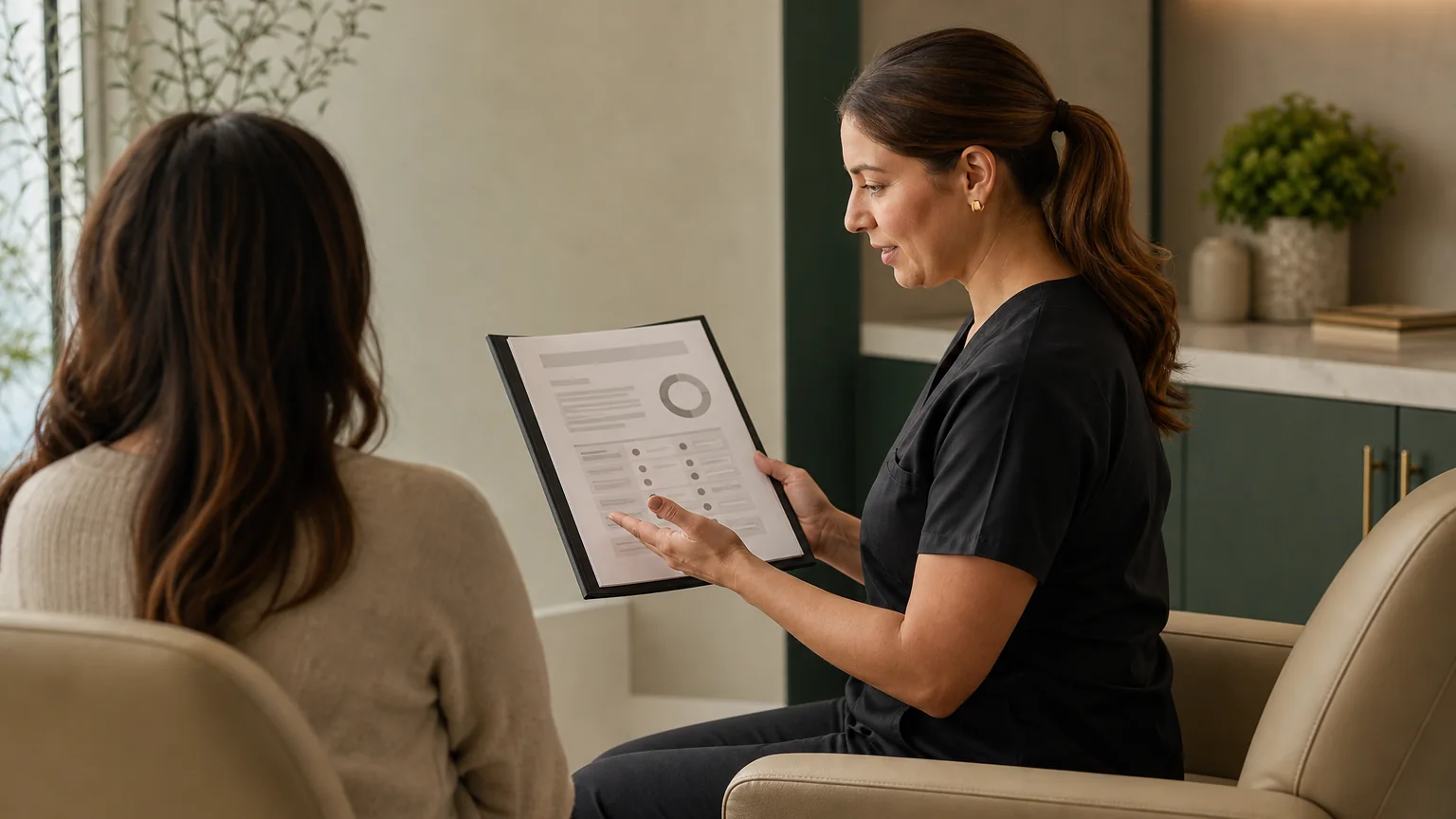
What a Regenerative Biologics Consultation Covers
A regenerative biologics consultation reviews goals, history, screening, and personalized wellness options with a physician-guided concierge care team.
ReadMedical Disclaimer: Information on this website is for educational purposes only and is not intended to diagnose, treat, cure, or prevent any disease. It is not a substitute for medical advice. Individual results vary. Consult a qualified healthcare provider before beginning any treatment.