Some therapies get attention because they are trendy. EBO3 therapy gets attention because people who care about performance, recovery, and longevity want to know exactly what is happening during the session and why physician supervision matters.
Considering EBO3 Therapy? Explore our full EBO3 Therapy program at EBO2 Therapy and Wellness — learn more →
Quick answer: what is ebo3 therapy?
EBO3 therapy is an oxygenation-focused, ozone-based extracorporeal wellness therapy in which a small amount of blood is circulated through a specialized system outside the body during a provider-guided session. It is often discussed alongside terms like EBOO therapy, EBO2 therapy, EBO therapy, or EBO treatment, although practices may use different names or protocols.
In a premium clinical setting, the goal is not to make sweeping promises. The goal is to support cellular wellness, recovery, oxygenation, and overall longevity planning through careful screening, personalized protocols, and physician-supervised care.
Also known as EBOO therapy, EBO2 therapy, or EBO therapy
If you are researching this service online, you will likely see multiple versions of the name. EBO3 Therapy is the preferred service term used by some advanced wellness practices, while EBOO therapy, EBO2 therapy, and EBO therapy are common search variations. In practical terms, people are usually referring to a similar category of extracorporeal ozone and oxygenation-focused therapy.
That said, terminology alone does not tell you how a clinic evaluates candidates, how the session is administered, or how thoughtfully the therapy is integrated into a broader wellness plan. Those details matter more than the acronym.
How ebo3 therapy works
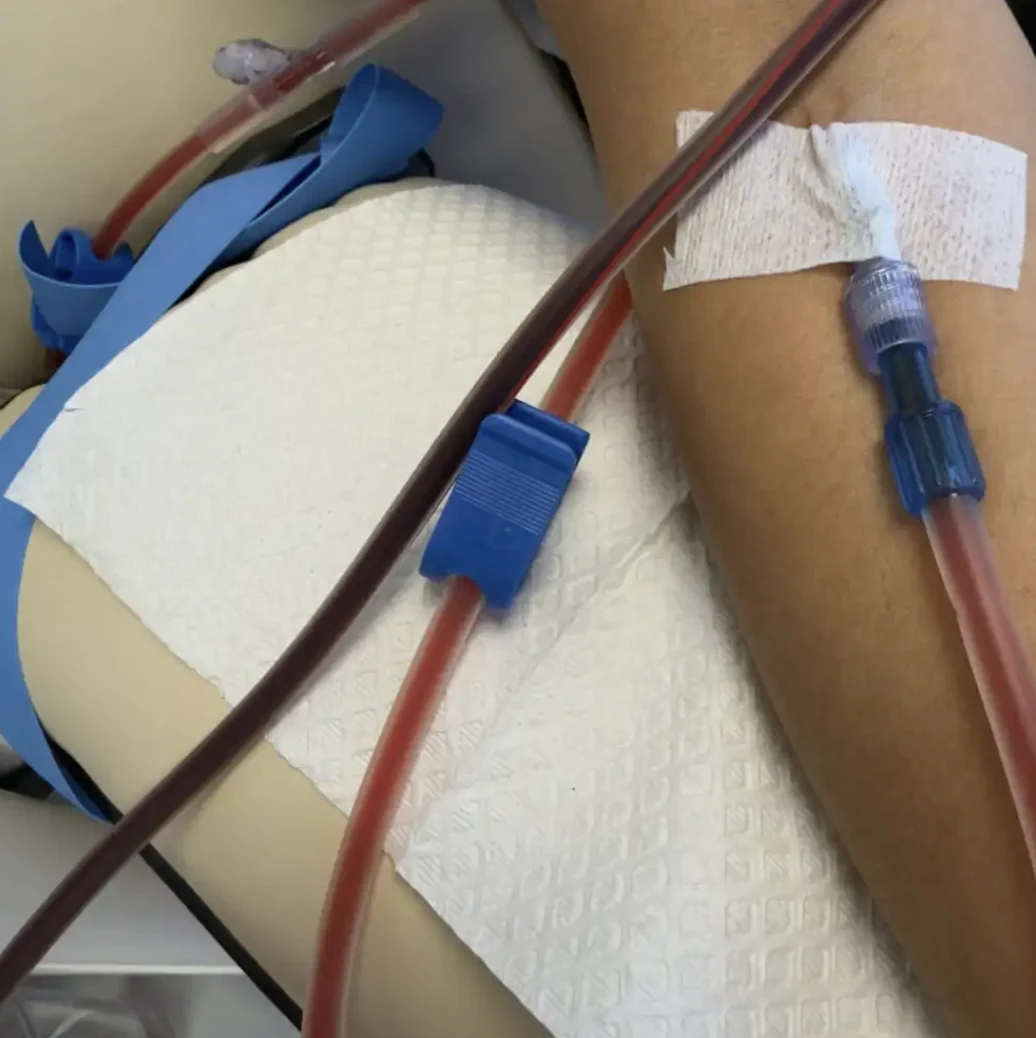
During an EBO3 therapy session, blood is circulated through a specialized external circuit while ozone and oxygen are introduced in a controlled clinical process. The session is designed to be monitored, measured, and adjusted according to the individual protocol.
For clients who are new to this category, the easiest way to understand it is to think of EBO3 therapy as a more advanced, highly supervised oxygenation-focused wellness service rather than a basic add-on treatment. It sits in a different tier than casual recovery offerings because it requires screening, clinical judgment, and a setting that can support individualized oversight.
This is one reason affluent wellness clients often prefer a private consultation first. The real value is not simply access to the equipment. It is the quality of assessment, the appropriateness of the protocol, and the level of medical responsibility around the experience.
Why people seek EBO3 therapy
People usually do not search for EBO3 therapy because they want something generic. They are often looking for a more advanced option to support energy, recovery, cellular vitality, detox pathway support, and longevity-focused wellness planning.
For some, the interest is performance-oriented. Executives, athletes, frequent travelers, and high-output professionals may be looking for provider-guided support during periods of heavy physical or cognitive demand. Others are more interested in healthy aging and a structured wellness strategy that goes beyond standard IV hydration.
The right way to talk about possible benefits is with restraint. EBO3 therapy may support oxygenation, recovery, cellular wellness, and overall vitality. It may also fit into a broader personalized protocol designed around stress load, travel schedules, training intensity, or long-term wellness goals. Results vary, and not every client is an appropriate candidate.
What to expect during an EBO3 therapy session
The first step should be consultation, not treatment. In a physician-supervised environment, your provider reviews health history, current goals, medications, prior wellness therapies, and any factors that may affect candidacy. Screening is required because advanced therapies should be selected thoughtfully, not casually.
If you are approved for care, the session itself is typically calm and structured. Blood is circulated through the designated system under clinical supervision, and the protocol is carried out according to the treatment plan. Session timing, frequency, and whether EBO3 therapy is paired with other services depend on the individual.
Some clients ask whether it feels like a standard IV session. Not exactly. There may be overlap in the clinical environment, but EBO3 therapy is generally perceived as a more involved service that calls for higher levels of oversight and planning. That distinction is part of its appeal for clients seeking serious, provider-guided wellness support.
EBO3 therapy is not one-size-fits-all
This is where good clinics separate themselves from convenient ones. Two people may both ask for EBO3 therapy, yet the better recommendation may be different for each.
One client may be focused on recovery support after frequent travel and demanding work cycles. Another may be building a longevity-focused program that also includes IV therapy, NAD+ therapy, Hyperbaric Oxygen Therapy, red light therapy, or peptide support. Another may not be a candidate at all until additional screening is completed.
A premium wellness practice should be comfortable saying, it depends. That is not hesitation. That is clinical discipline.
Safety, screening, and physician supervision
When people search for advanced oxygenation-focused therapies, they often focus on potential upside and overlook the more important question: how carefully is this being delivered?
EBO3 therapy should be approached as a physician-supervised, consultation-based service with screening required. A responsible practice will review medical history, current medications, wellness objectives, and factors that may affect tolerance or appropriateness. It should also set expectations clearly and avoid exaggerated claims.
This matters because advanced wellness therapies are not interchangeable. The quality of the protocol, the experience of the providers, and the standards of the practice influence the overall experience. A private, medically responsible setting is especially important for clients who want personalization rather than a standardized menu approach.
How EBO3 therapy fits into a broader longevity plan
For many clients, EBO3 therapy works best as part of a larger strategy rather than as a standalone answer. That strategy might include IV nutrient support, NAD+ therapy, glutathione, Hyperbaric Oxygen Therapy, red light therapy, or a deeper diagnostic review such as a cellular optimization assessment.
The key is sequencing and personalization. Some people benefit from a recovery-focused approach. Others are better served by a structured longevity plan that layers therapies over time based on goals, scheduling, and response. In a concierge setting, this is where provider guidance becomes especially valuable.
At EBO2 Therapy and Wellness, that kind of planning is part of the point. Clients seeking EBO3 Therapy are often not looking for a single transaction. They are looking for a higher standard of care, privacy, and a protocol built around the individual rather than the trend.
Who may be interested in ebo3 therapy?
The typical candidate is not necessarily sick and not necessarily looking for a quick fix. More often, this is someone highly engaged in personal wellness who wants advanced support for recovery, oxygenation-focused care, cellular vitality, and healthy aging.
That can include entrepreneurs managing intense schedules, athletes balancing training and recovery, frequent travelers dealing with cumulative stress, or adults who want physician-guided longevity support in a private clinical environment. It may also appeal to clients already exploring therapies such as HBOT, ozone therapy, TPE, peptides, or premium IV protocols.
The common thread is discernment. People interested in EBO3 therapy usually want more than access. They want judgment, customization, and a practice that understands the difference between wellness theater and real clinical oversight.
Where is EBO3 therapy available?
Availability depends on the practice and its model of care. For clients seeking a concierge-level experience, it makes sense to look for a physician-supervised setting with a defined screening process and related advanced wellness services available in the same ecosystem.
That is particularly relevant for clients in Southern California and South Florida who want continuity across therapies rather than fragmented care. A practice serving longevity-focused clients in Rancho Palos Verdes and West Palm Beach, for example, may be better positioned to build an integrated plan than a general wellness office offering isolated appointments.
Is EBO3 therapy worth considering?
If your priority is low-cost convenience, probably not. If your priority is advanced, provider-guided support within a personalized wellness framework, it may be worth a closer look.
The deciding factor is usually not the name of the therapy itself. It is whether the practice offers the level of screening, supervision, personalization, and clinical judgment that this type of service deserves. For the right client, that difference is everything.
If you are exploring EBO3 therapy, the best next step is a private consultation that looks at your goals, history, and broader wellness strategy before any protocol is recommended. The most sophisticated care starts there.
Ready to talk with our team?
Book a complimentary consultation at our Rancho Palos Verdes or West Palm Beach clinic.
Request a ConsultationRelated services
EBO3 is a clinic-branded wellness protocol. These references describe ozone's regulatory context and the state of the published evidence; they do not establish EBO3 as a treatment for any disease, and ozone therapy is not FDA-approved. Published EBOO/ozone literature is heterogeneous, largely preliminary or uncontrolled, and mostly of low or very-low certainty.
- 21 CFR § 801.415 — Federal regulation on ozone (labeling context)
eCFR (U.S. Electronic Code of Federal Regulations)
Federal labeling regulation for medical devices generating ozone. Regulatory context only; does not indicate FDA approval of ozone as a therapy.
- Bocci V. Ozone as Janus: this controversial gas can be either toxic or medically useful
Mediators of Inflammation (PMID 16156950)
Narrative review discussing extracorporeal blood oxygenation with ozone (EBOO) and related ozone modalities. Evidence at the time was preliminary and largely uncontrolled — insufficient to validate EBOO for any disease indication.
- Umbrella review of ozone therapy across clinical indications
Medical Sciences (DOI 10.3390/medsci14020289)
Umbrella review of systematic reviews of ozone therapy across multiple indications. Findings are heterogeneous with most conclusions rated low or very-low certainty; overall evidence remains insufficient to establish general clinical efficacy.
- Smith NL et al. Ozone therapy: an overview of pharmacodynamics, current research, and clinical utility
Medical Gas Research (PMID 29152215)
Peer-reviewed overview of ozone therapy noting that the current clinical evidence base is heterogeneous and further rigorous study is needed.
References describe general evidence, safety, or regulatory context. They do not establish an individual benefit for any specific person, and they do not validate EBO2's proprietary clinic protocols.
Related reading
More from the EBO2 Therapy and Wellness library.

Top IV Nutrients for Energy: A Clinical Guide
Explore top IV nutrients for energy, from B vitamins to magnesium and NAD+, with physician-guided considerations for personalized wellness support today.
Read
HBOT Versus Oxygen Chambers: What Changes?
HBOT versus oxygen chambers: learn how pressure, oxygen delivery, screening, and clinical oversight differ when selecting a personalized wellness protocol.
Read
What a Regenerative Biologics Consultation Covers
A regenerative biologics consultation reviews goals, history, screening, and personalized wellness options with a physician-guided concierge care team.
ReadMedical Disclaimer: Information on this website is for educational purposes only and is not intended to diagnose, treat, cure, or prevent any disease. It is not a substitute for medical advice. Individual results vary. Consult a qualified healthcare provider before beginning any treatment.