
If you are looking into therapeutic plasma exchange benefits, you are probably not looking for a trend. You are looking for a therapy that feels medically grounded, thoughtfully supervised, and relevant to bigger goals like recovery support, cellular wellness, and longevity planning. That is exactly where therapeutic plasma exchange, or TPE, tends to stand apart.
Considering Therapeutic Plasma Exchange? Explore our full Therapeutic Plasma Exchange program at EBO2 Therapy and Wellness — learn more →
What therapeutic plasma exchange is
Therapeutic plasma exchange is a provider-guided procedure in which a portion of plasma is separated and exchanged during a carefully monitored session. It is also called plasma exchange or, in some settings, plasmapheresis. While those terms are often used interchangeably in everyday conversation, the clinical details can vary based on protocol, equipment, and the reason a person is seeking care.
In a wellness and longevity setting, TPE is generally considered by clients who want a more advanced, physician-supervised approach than standard hydration or recovery services. The appeal is not that it is simple. It is that it is highly structured, highly monitored, and suited to personalized planning.
Therapeutic plasma exchange benefits in a wellness setting
The phrase therapeutic plasma exchange benefits can mean different things depending on the client, the protocol, and the clinical context. For one person, the main interest may be recovery support after periods of stress, intense travel, or heavy performance demand. For another, it may be part of a broader longevity-focused plan designed to support overall physiologic balance.
What makes TPE distinct is that it is not positioned as a casual add-on. It is a higher-level therapy that may support the body’s broader internal environment when used selectively and with appropriate screening. In a concierge practice, that usually means it is considered as part of a larger strategy rather than a standalone shortcut.
Many clients are drawn to TPE because they want sophisticated support for how they feel and function. They may be focused on energy, resilience, mental clarity, physical recovery, or healthy aging. Others are already familiar with advanced wellness therapies such as EBO3 Therapy, NAD+ Therapy, IV protocols, hyperbaric oxygen therapy, or peptide programs and want to understand whether plasma exchange belongs in a more comprehensive protocol.
Why some clients consider TPE for recovery and longevity
The interest in TPE often comes from the idea that wellness is not only about adding supportive inputs. Sometimes it is also about carefully evaluating the body’s circulating environment and deciding whether a more advanced intervention makes sense. That is one reason plasma exchange tends to attract executives, athletes, frequent travelers, and longevity-focused clients who prefer physician-guided care over one-size-fits-all wellness menus.
Potential benefits may include support for recovery, support for overall physiologic balance, and a more customized approach to high-level wellness planning. Some clients report that they pursue TPE as part of a strategy to support performance, resilience, and healthy aging. Others are interested because they want care that feels more precise and medically supervised than conventional wellness offerings.
That said, benefit is never universal. TPE is not appropriate for everyone, and the value of the therapy depends on clinical history, goals, tolerance, and timing. In premium medicine, selectivity is a strength, not a limitation.
Who may be interested in therapeutic plasma exchange benefits
TPE is usually not the first step for someone new to wellness care. It tends to be better suited to people who are already engaged in a higher level of health optimization and want more individualized oversight. That may include active adults focused on recovery support, professionals managing sustained stress loads, biohacking and longevity clients, or individuals who prefer consultation-based care with a physician-supervised structure.
It may also appeal to clients who value privacy and personalization. In a concierge setting, therapies like TPE are not treated as routine commodities. They are evaluated in context - alongside lab review, health history, current wellness goals, and other therapies that may be more appropriate, whether that is EBO3 Therapy, IV support, hyperbaric oxygen therapy, or a personalized cellular wellness plan.
What to expect during a TPE consultation and session
A proper TPE experience starts long before the procedure itself. The first step is a private consultation and screening process. That review may include medical history, current concerns, performance or longevity goals, medications, and a discussion of whether the therapy aligns with the client’s broader plan.
If a person is considered a candidate, the session is performed under clinical supervision with attention to monitoring and comfort. The procedure involves vascular access, circulation through specialized equipment, and a structured exchange process. The exact timing and protocol can vary.
For many clients, what matters most is not just what happens during the session, but how the therapy is integrated afterward. A sophisticated practice does not view TPE in isolation. It looks at sequencing, recovery, hydration, nutrient support, and whether additional therapies should be spaced around it thoughtfully.
The trade-offs and limits of TPE
Advanced therapies are often presented too simply online. TPE deserves a more serious explanation. It is a significant procedure, not a casual wellness drop-in. That is part of why some clients find it compelling, but it is also why screening required is more than a formality.
There are practical considerations. TPE requires time, clinical oversight, and individualized decision-making. Not every person seeking energy support or healthy aging support needs a therapy at this level. In some cases, less intensive options may be more appropriate as a starting point. In others, TPE may fit well within a larger personalized protocol.
This is where medically responsible care matters. A refined longevity practice should be willing to say when a therapy is not the right fit, when timing should be adjusted, or when another modality may offer a better starting point. Results vary, and the best outcomes usually come from matching the intervention to the individual rather than matching the individual to the trend.
How TPE compares with other advanced wellness therapies
TPE is often searched alongside ozone therapy, EBO3 Therapy, IV therapy, NAD+ Therapy, and HBOT. These services can share an audience, but they are not interchangeable.
EBO3 Therapy is an oxygenation-focused therapy often explored by clients seeking support for circulation, recovery, and broader wellness optimization. IV therapy may be used for hydration and nutrient delivery. NAD+ Therapy is often considered for energy metabolism and recovery support. HBOT is commonly explored for oxygen-related wellness goals and recovery planning.
TPE sits in a different category because it is more procedural and typically more selective. For the right client, it may complement a broader physician-guided plan. For the wrong client, it may be unnecessary. That distinction matters.
Where physician supervision changes the experience
The quality of the experience often depends less on the device and more on the level of oversight. In a concierge longevity setting, physician supervision helps shape candidacy, timing, treatment planning, and follow-up. That is especially important for a therapy as involved as plasma exchange.
At EBO2 Therapy and Wellness, this kind of care is approached through private consultation, screening, and personalized protocols rather than generic packages. For clients in Rancho Palos Verdes or West Palm Beach who are seeking advanced wellness therapies with a higher degree of medical responsibility, that framework is often just as important as the therapy itself.
FAQs about therapeutic plasma exchange benefits
Is therapeutic plasma exchange the same as plasmapheresis?
The terms are often used interchangeably, though technical distinctions may depend on the setting and protocol. In client searches, plasma exchange, plasmapheresis, and TPE are frequently grouped together.
How quickly do people notice therapeutic plasma exchange benefits?
That depends on the individual, the protocol, and the goals of care. Some people are looking for recovery support in the short term, while others are using TPE within a broader longevity-focused plan. Results vary.
Is TPE a standalone wellness therapy?
Usually, it works best as part of a provider-guided strategy. That may include consultation, lab review, supportive therapies, and personalized follow-up.
Who should avoid assuming TPE is right for them?
Anyone considering TPE should avoid self-prescribing based on online summaries alone. Because it is a more advanced procedure, screening required is a meaningful part of responsible care.
The real value of therapeutic plasma exchange is not that it sounds advanced. It is that, for the right person and in the right setting, it may support a more precise and elevated approach to recovery, cellular wellness, and longevity planning.
Ready to talk with our team?
Book a complimentary consultation at our Rancho Palos Verdes or West Palm Beach clinic.
Request a ConsultationRelated services
Established therapeutic plasma exchange (TPE) indications in ASFA guidelines are disease-specific. Longevity or general-wellness use in healthy individuals is not an ASFA-endorsed indication, and recent 2025 studies of plasmapheresis-based aging biomarkers are small, use surrogate endpoints, and report conflicting results — some epigenetic clocks even increased.
- ASFA Guidelines on the Use of Therapeutic Apheresis in Clinical Practice — 9th Special Issue
American Society for Apheresis, Journal of Clinical Apheresis (DOI 10.1002/jca.22043, PMID 37017433)
Reference guideline categorizing evidence-based medical indications for therapeutic apheresis including TPE. Wellness/longevity use is not addressed as an endorsed indication.
- Randomized trial of therapeutic plasma exchange plus IVIG on aging biomarkers
Aging Cell (DOI 10.1111/acel.70103)
Small randomized trial of TPE combined with IVIG reporting movement on surrogate aging biomarkers. Not a longevity outcomes trial; results are not proof of extended lifespan or general anti-aging benefit.
- Effects of plasmapheresis on epigenetic aging biomarkers — Scientific Reports 2025
Scientific Reports (Nature) 2025
Different plasmapheresis protocol reporting no epigenetic rejuvenation and increases in some epigenetic clocks. Presented alongside the acel.70103 trial so evidence remains balanced and non-promotional.
References describe general evidence, safety, or regulatory context. They do not establish an individual benefit for any specific person, and they do not validate EBO2's proprietary clinic protocols.
Related reading
More from the EBO2 Therapy and Wellness library.
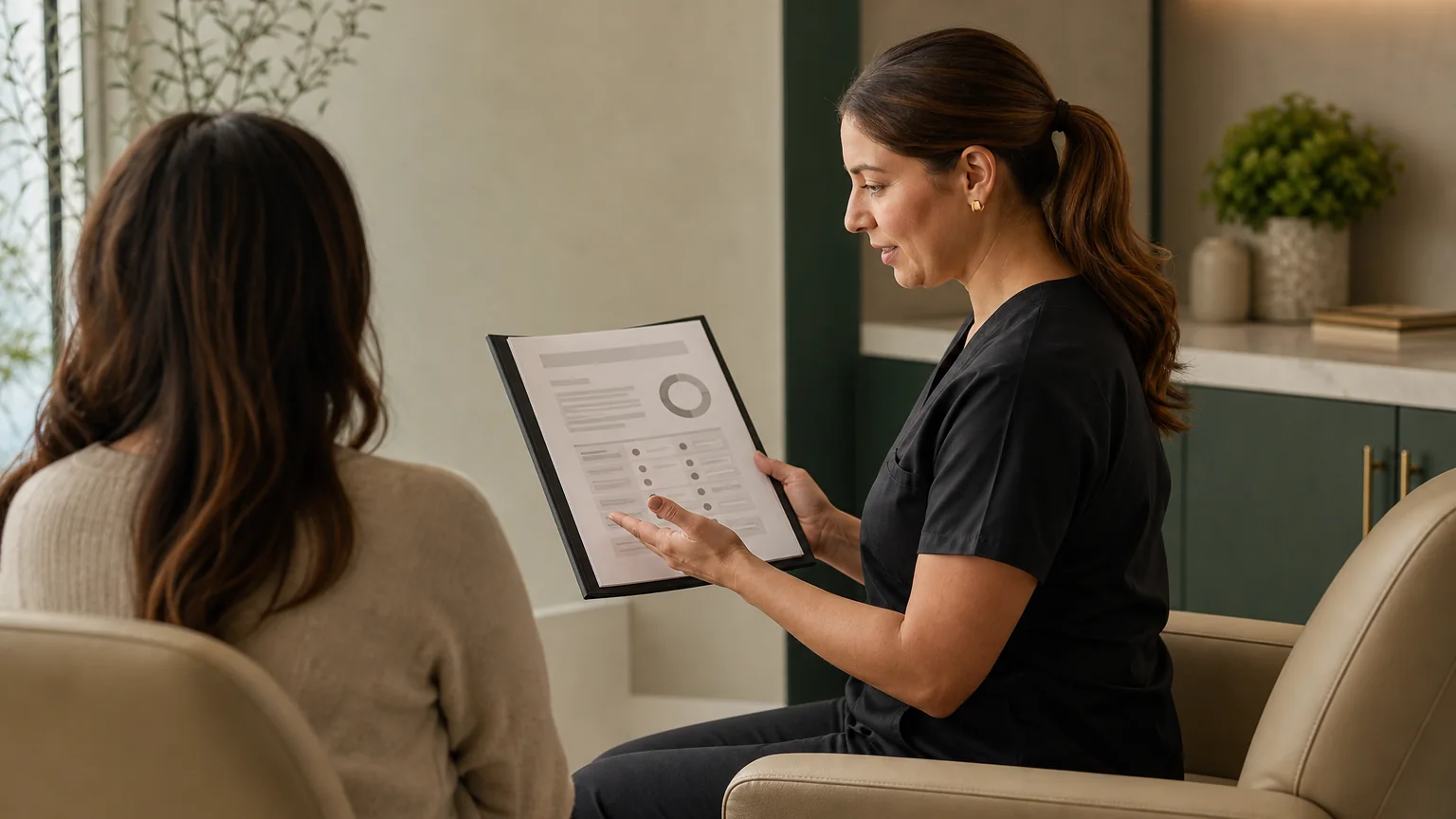
What a Regenerative Biologics Consultation Covers
A regenerative biologics consultation reviews goals, history, screening, and personalized wellness options with a physician-guided concierge care team.
Read
Can NAD IV Support Focus? A Clinical View
Can NAD IV support focus? Learn how physician-guided NAD+ therapy may fit a personalized plan for cognitive wellness, energy, recovery, and longevity care.
Read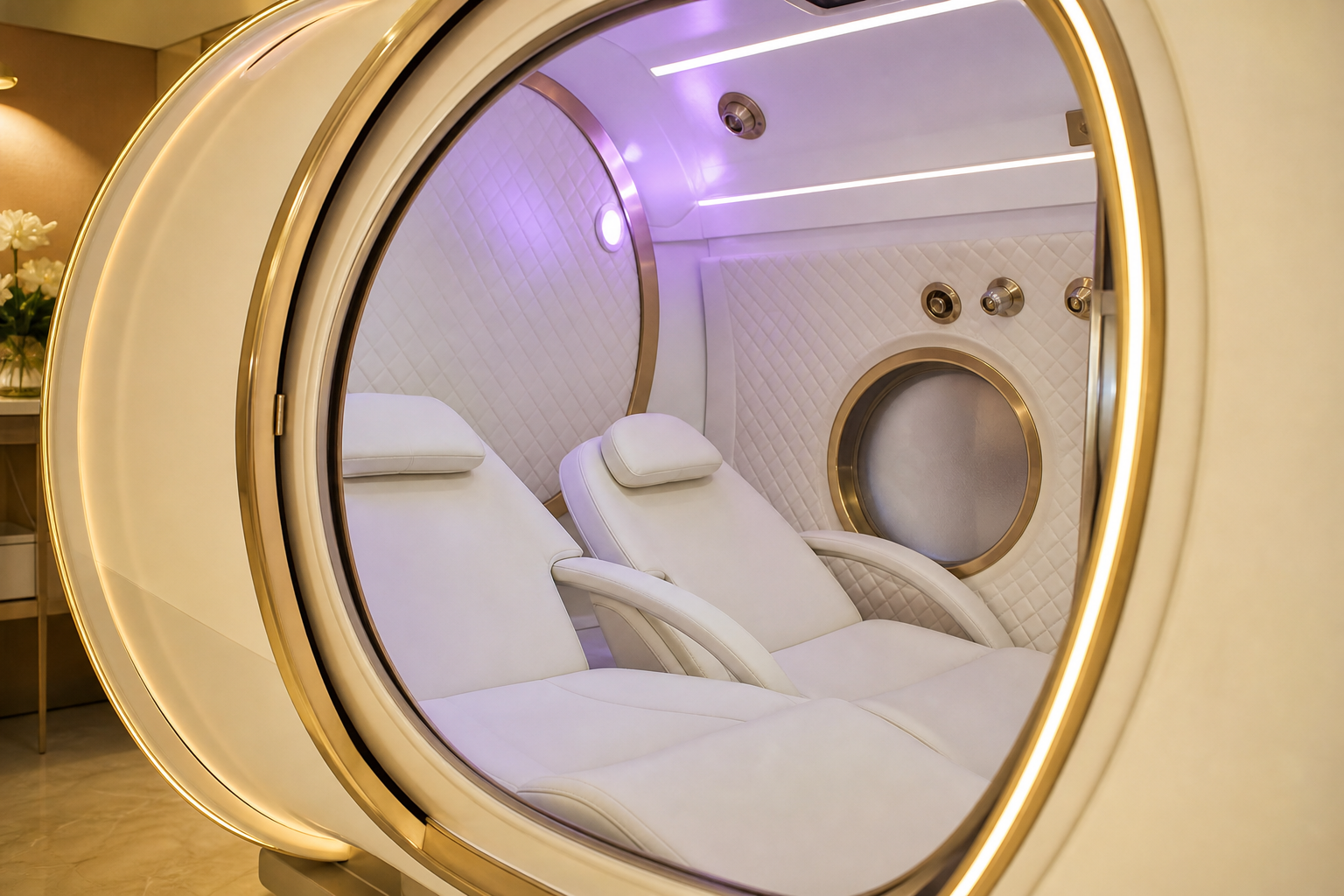
How to Plan HBOT Sessions for Better Recovery
Learn how to plan HBOT sessions with physician-guided timing, screening, and realistic recovery and cellular wellness goals for a personalized protocol.
ReadMedical Disclaimer: Information on this website is for educational purposes only and is not intended to diagnose, treat, cure, or prevent any disease. It is not a substitute for medical advice. Individual results vary. Consult a qualified healthcare provider before beginning any treatment.