
A private TPE consultation guide should do more than explain an appointment schedule. It should help you determine whether therapeutic plasma exchange fits your health history, current goals, travel demands, recovery needs, and broader longevity plan. Because TPE is a significant, provider-guided procedure, the consultation is where clinical appropriateness, protocol design, and safety considerations come first.
At EBO2 Therapy and Wellness, this conversation is designed for clients who value private access, physician supervision, and a disciplined approach to advanced wellness therapies. Screening is required, and a consultation does not automatically mean TPE is recommended. For some clients, a different approach - such as IV therapy, NAD+ therapy, EBO3 Therapy, hyperbaric oxygen therapy, or a phased recovery protocol - may better align with their needs.
Quick answer: what a private TPE consultation covers
Therapeutic plasma exchange, often called TPE, plasma exchange, or plasmapheresis, is a procedure in which plasma is separated from blood cells and exchanged according to a clinician-directed plan. In a private consultation, the care team reviews your medical history, medications, recent laboratory information when applicable, wellness objectives, and suitability for the procedure.
The goal is not to make broad promises about “cleansing” or disease outcomes. Rather, the consultation establishes whether TPE may have a reasonable role within a personalized protocol intended to support cellular wellness, recovery support, healthy aging, and performance-focused planning. Individual responses vary, and recommendations should be grounded in your health profile rather than a standard package.
Also known as TPE, plasma exchange, and plasmapheresis
The terms TPE, therapeutic plasma exchange, plasma exchange, and plasmapheresis are often used in similar conversations, though their clinical use and exact meaning can depend on the setting. When speaking with a concierge wellness practice, ask the provider to explain precisely what procedure is proposed, what replacement fluid is contemplated, who will oversee it, and how the plan relates to your individual screening results.
This level of clarity matters. Plasma exchange involves more planning than a routine wellness infusion, and it deserves a clinical discussion that is specific to you. A high-quality consultation should make the rationale understandable without overstating what the therapy can deliver.
Who may seek a private TPE consultation?
Clients commonly explore a private TPE consultation when they are building a comprehensive longevity-focused plan and want a more individualized discussion than they may receive in a conventional appointment setting. This can include executives managing sustained travel and demanding schedules, athletes prioritizing recovery support, and health-conscious adults seeking advanced wellness therapies under physician supervision.
Some arrive with an existing physician’s records or a detailed laboratory history. Others are at an earlier stage and want help organizing a thoughtful baseline plan. Both are valid starting points. The key question is not whether TPE is fashionable or intensive enough. It is whether the procedure makes clinical sense for your circumstances and can be delivered with appropriate monitoring.
A provider may also recommend that you coordinate with your primary care physician or relevant specialist before proceeding. That is not a barrier to concierge care. It is part of medically responsible planning, particularly when you have a complex medical history, active symptoms, prior procedures, or medications that affect bleeding, blood pressure, clotting, or immune function.
What happens during the consultation?
A well-run consultation begins with context. Your provider should ask about your wellness priorities, current diagnoses, previous surgeries, medication and supplement use, allergies, family history, hydration habits, and prior experience with IVs, apheresis procedures, or advanced recovery therapies. If you are pursuing performance or longevity support, your daily demands, sleep quality, training load, and travel schedule may also inform timing.
The next phase is clinical screening. Depending on your history and the proposed protocol, this may include a review of recent labs or recommendations for additional evaluation. The provider considers practical factors such as vascular access, baseline blood pressure, tolerance for fluid shifts, and whether there are reasons to defer or avoid treatment. A consultation should also identify which members of the care team are involved and when physician oversight is available.
From there, the discussion turns to protocol design. This may include the anticipated number and spacing of sessions, preparation guidance, the expected duration of each visit, recovery considerations, and whether complementary services may be appropriate. A personalized protocol is not necessarily the most expansive one. Sometimes the strongest recommendation is to begin conservatively, reassess, and add therapies only when the clinical rationale is clear.
Questions worth asking at a private TPE consultation
A premium setting should make room for direct questions. Ask why TPE is being considered for your particular goals, what alternatives may be more appropriate, and what the provider expects you to notice versus what cannot be predicted. You should also understand how the team will monitor you during the procedure, what symptoms should be reported immediately, and what aftercare is recommended.
It is reasonable to ask about the credentials and roles of everyone involved, the escalation plan if you feel unwell, and how your existing physicians can be included when appropriate. You may also want to discuss scheduling around travel, athletic events, business obligations, or other therapies. The best plan accounts for real life rather than treating the calendar as an afterthought.
Safety, screening, and realistic expectations
TPE requires more than a wellness questionnaire. Screening required means the provider has a responsibility to look for contraindications, precautions, and factors that could change the risk-benefit discussion. Not every interested client is a candidate, and candidacy can change over time.
Potential procedural considerations can include lightheadedness, fatigue, bruising or discomfort at the access site, blood pressure changes, reactions related to the exchange process, and issues related to electrolyte balance or bleeding risk. The relevance of these considerations depends on the individual, the protocol, and the clinical setting. Your care team should explain the risks most pertinent to you and provide clear directions for preparation and post-visit communication.
Avoid a practice that presents TPE as a universal answer for energy, aging, inflammation, or “detox.” Advanced therapies should be selected carefully, with clear boundaries around what is known, what is uncertain, and what outcomes cannot be guaranteed. Results vary, and a responsible provider will say so plainly.
How TPE may fit within a personalized wellness protocol
For the right client, TPE may be considered alongside other provider-guided therapies rather than as a stand-alone event. The sequence matters. A client focused on travel recovery may need hydration, nutritional support, and sufficient recovery time before considering a more involved procedure. Someone building a longer-term cellular wellness plan may begin with baseline assessment, lifestyle priorities, and lower-intensity interventions before revisiting TPE.
Related services can include IV therapy for individualized nutrient support, NAD+ therapy for clients pursuing cellular wellness planning, glutathione pushes when clinically appropriate, EBO3 Therapy for oxygenation-focused support, hyperbaric oxygen therapy, red light therapy, and a CTOI Cellular Optimization Report. These are not interchangeable, and they should not be added simply to create a larger protocol. Each component should have a defined purpose, appropriate timing, and provider oversight.
Planning your visit in Rancho Palos Verdes or West Palm Beach
Clients seeking private TPE consultations in Southern California or South Florida may benefit from scheduling with enough flexibility for screening, possible lab review, and recovery planning. EBO2 Therapy and Wellness serves clients through concierge locations in Rancho Palos Verdes, California, and West Palm Beach, Florida.
If you are traveling from Los Angeles, Orange County, Palm Beach, Jupiter, Boca Raton, or surrounding communities, discuss your itinerary in advance. Your provider may advise against compressing an advanced procedure between long flights, demanding events, or intense training sessions. A private care experience should feel well coordinated, not rushed.
Frequently asked questions
Is a consultation required before TPE?
Yes. A private TPE consultation is the appropriate starting point because it allows the provider to assess your history, goals, current medications, and potential precautions. Screening is required before a recommendation or procedure plan is made.
How long does TPE planning take?
The consultation itself may be only the first step. The overall timeline depends on the complexity of your health history, whether additional information or labs are needed, scheduling availability, and the provider’s recommendations. Thoughtful planning is preferable to immediate scheduling when clinical questions remain.
Can TPE be combined with other wellness therapies?
It may be incorporated into a broader personalized protocol when clinically appropriate. Timing, recovery needs, and your individual tolerance should guide those decisions. Your provider can determine whether complementary oxygenation-focused, recovery-focused, or IV-based support belongs before or after a procedure.
A private consultation is ultimately an opportunity to make a measured decision. The right plan should leave you with a clear understanding of why a therapy is being considered, what preparation it requires, and how it fits the life you are actively trying to protect and optimize.
Ready to talk with our team?
Book a complimentary consultation at our Rancho Palos Verdes or West Palm Beach clinic.
Request a ConsultationRelated services
Established therapeutic plasma exchange (TPE) indications in ASFA guidelines are disease-specific. Longevity or general-wellness use in healthy individuals is not an ASFA-endorsed indication, and recent 2025 studies of plasmapheresis-based aging biomarkers are small, use surrogate endpoints, and report conflicting results — some epigenetic clocks even increased.
- ASFA Guidelines on the Use of Therapeutic Apheresis in Clinical Practice — 9th Special Issue
American Society for Apheresis, Journal of Clinical Apheresis (DOI 10.1002/jca.22043, PMID 37017433)
Reference guideline categorizing evidence-based medical indications for therapeutic apheresis including TPE. Wellness/longevity use is not addressed as an endorsed indication.
- Randomized trial of therapeutic plasma exchange plus IVIG on aging biomarkers
Aging Cell (DOI 10.1111/acel.70103)
Small randomized trial of TPE combined with IVIG reporting movement on surrogate aging biomarkers. Not a longevity outcomes trial; results are not proof of extended lifespan or general anti-aging benefit.
- Effects of plasmapheresis on epigenetic aging biomarkers — Scientific Reports 2025
Scientific Reports (Nature) 2025
Different plasmapheresis protocol reporting no epigenetic rejuvenation and increases in some epigenetic clocks. Presented alongside the acel.70103 trial so evidence remains balanced and non-promotional.
References describe general evidence, safety, or regulatory context. They do not establish an individual benefit for any specific person, and they do not validate EBO2's proprietary clinic protocols.
Related reading
More from the EBO2 Therapy and Wellness library.
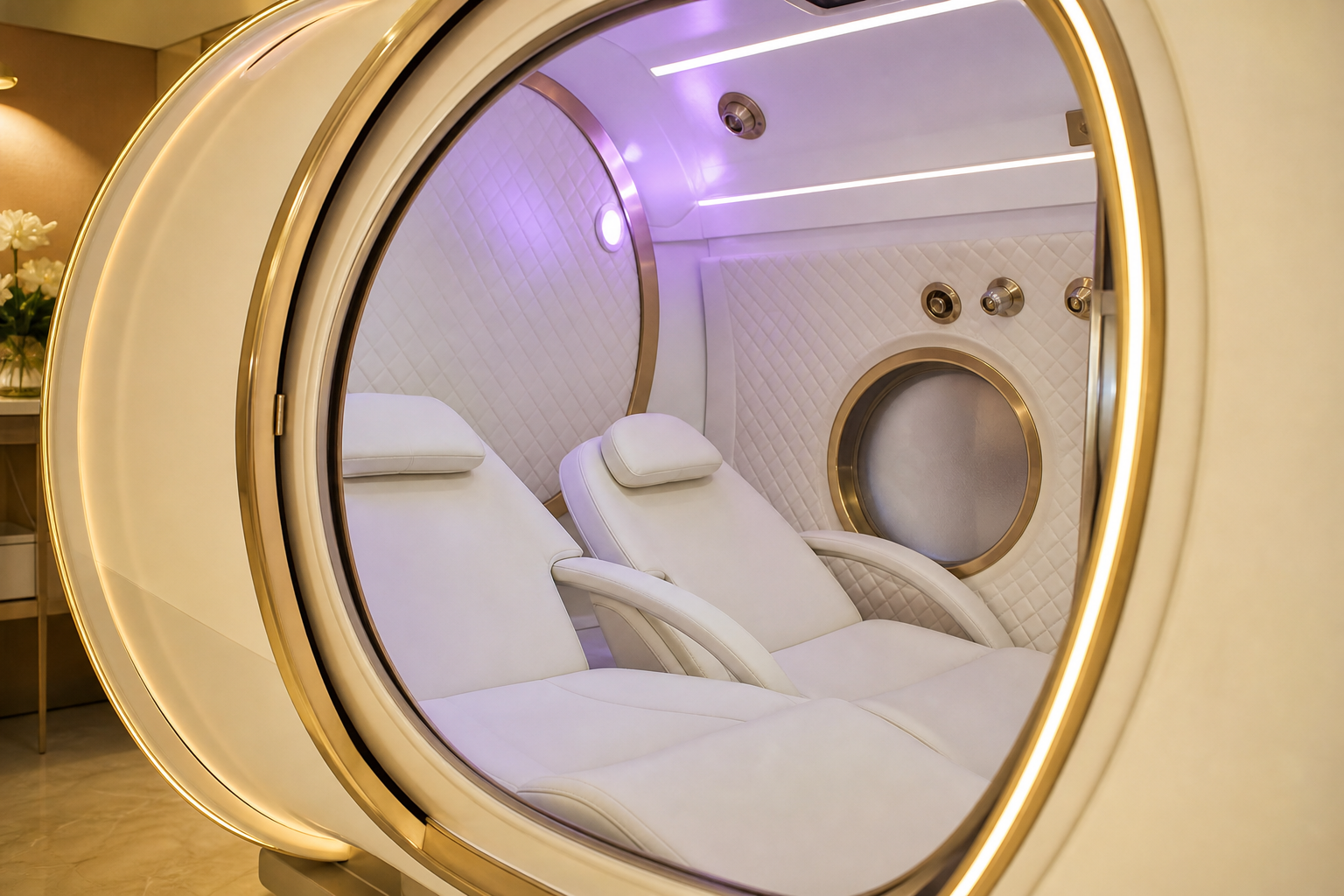
How to Plan HBOT Sessions for Better Recovery
Learn how to plan HBOT sessions with physician-guided timing, screening, and realistic recovery and cellular wellness goals for a personalized protocol.
ReadHyperbaric Oxygen Session Guide for First Visits
A hyperbaric oxygen session guide for first-time clients: preparation, chamber experience, pressure changes, screening, and personalized care planning.
Read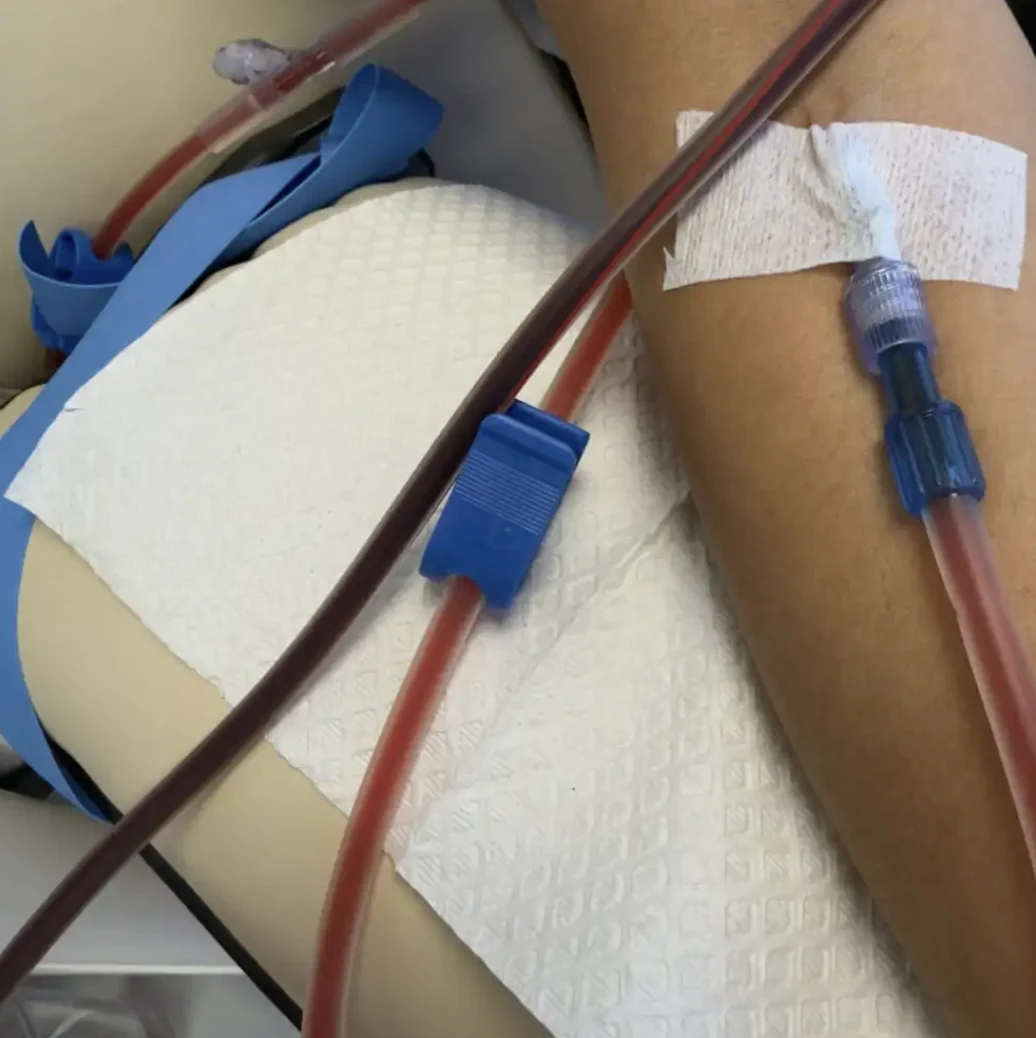
EBOO Therapy vs HBOT: Which Fits Your Goals?
Compare eboo therapy vs hbot for oxygenation-focused wellness, recovery support, screening, comfort, and a personalized physician-guided plan discussion.
ReadMedical Disclaimer: Information on this website is for educational purposes only and is not intended to diagnose, treat, cure, or prevent any disease. It is not a substitute for medical advice. Individual results vary. Consult a qualified healthcare provider before beginning any treatment.