Quick answer
The CTOI™ Cellular Optimization Report is an internal, lab-informed wellness scoring framework used by our providers to guide physician-led protocol planning. It is not a diagnostic test and does not replace medical care.
What CTOI is
CTOI is a structured way to read your intake and lab information against an internal wellness scoring framework. It exists to make protocol planning more deliberate — not to label or diagnose.
What CTOI is not
CTOI is not a diagnostic test. It does not identify disease, replace primary care, or substitute for any clinically indicated testing. Anything CTOI surfaces is interpreted by your provider in the context of your full picture.
How CTOI is used in planning
Your provider uses CTOI to help sequence and prioritize options across EBO3, HBOT, IV Therapy, Ozone, Red Light, peptides, and regenerative biologics. The result is a more personalized starting point — not a fixed package.
Frequently asked
- Is CTOI a diagnostic test?
- No. CTOI is an internal wellness scoring framework for protocol planning, not a diagnostic test.
- Does CTOI replace primary care?
- No. CTOI is wellness-focused and does not replace primary care or any clinically indicated testing.
- How do I request CTOI?
- Request a consultation at either clinic. Your provider will explain whether CTOI is the right starting point.
Related services
Ready to talk with our team?
Book a complimentary consultation at our Rancho Palos Verdes or West Palm Beach clinic.
Request a ConsultationRelated reading
More from the EBO2 Therapy and Wellness library.
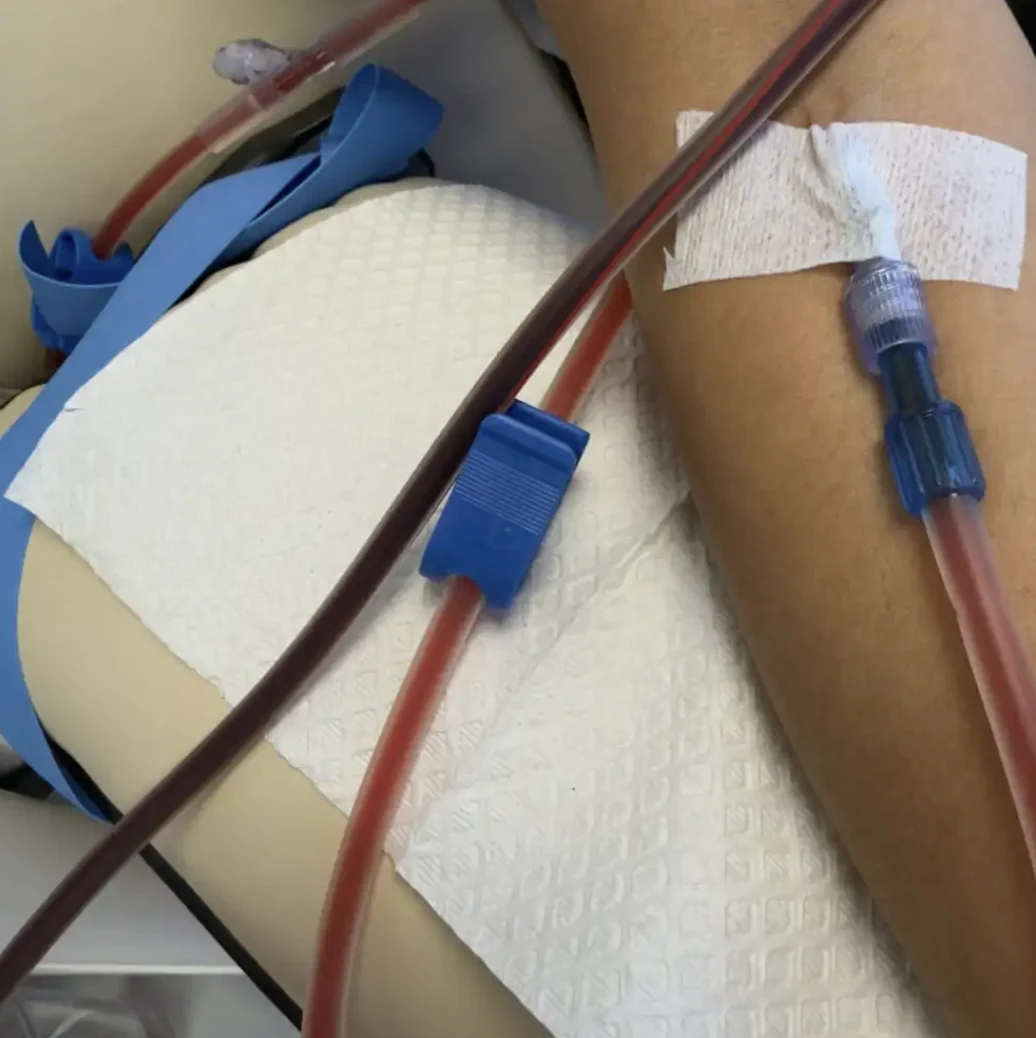
How to Choose EBO3 Therapy With Confidence
Learn how to choose EBO3 therapy with physician-guided screening, clear protocol standards, and personalized planning for recovery and cellular wellness.
Read
Methylene Blue Wellness Protocols for Longevity
Methylene blue wellness protocols require more than an IV. Learn how physician-guided screening, dosing, timing, and follow-up inform personalized care.
Read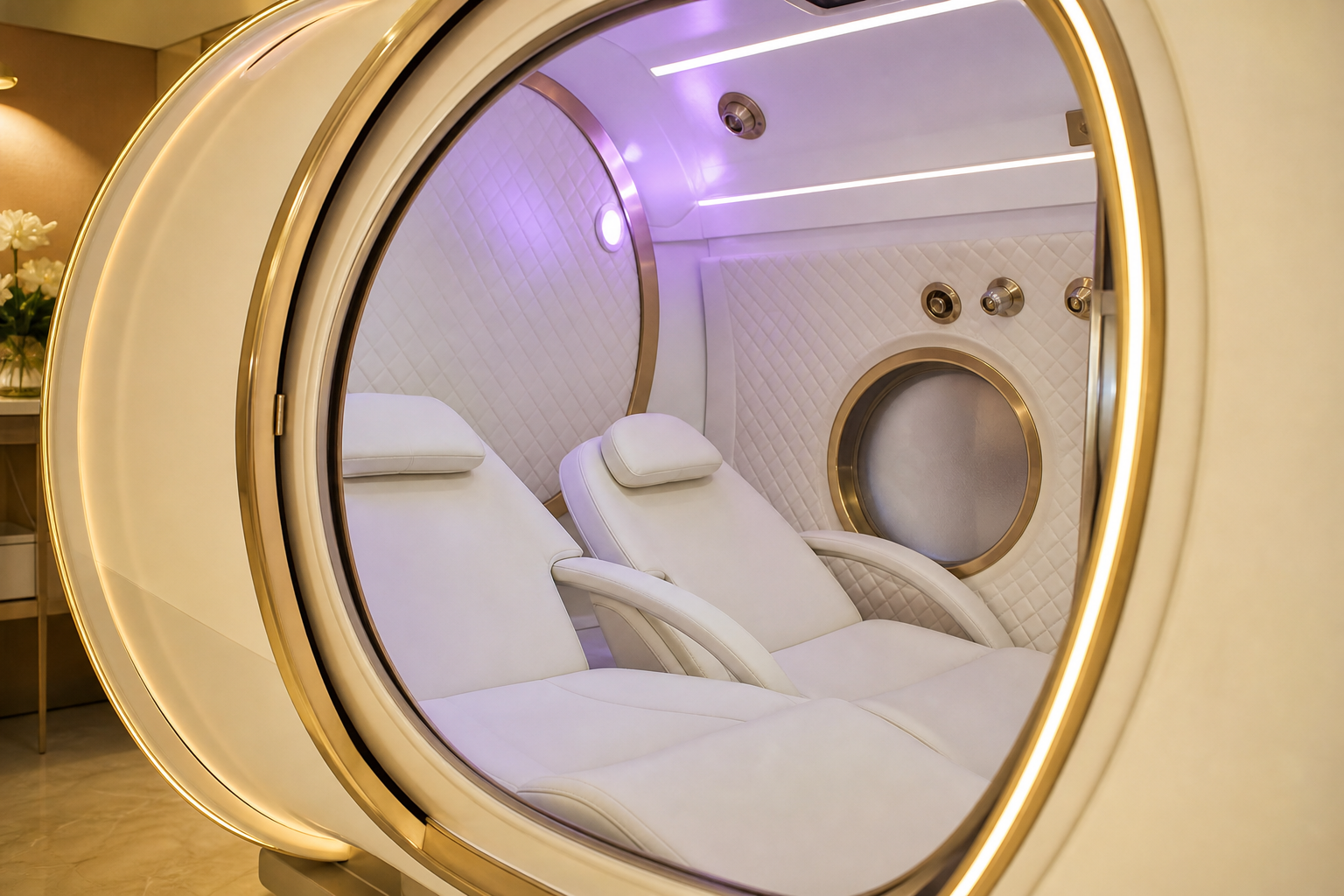
West Palm Beach HBOT for Personalized Recovery
West Palm Beach HBOT with physician-supervised, personalized care for oxygenation support, recovery, performance, and longevity-focused wellness planning.
ReadCTOI is a proprietary EBO2 wellness-planning report — it is not a diagnostic test, is not FDA-cleared, and has not been independently clinically validated. Underlying lab tests are performed in CLIA-regulated laboratories, but the quality of the underlying labs does not validate a derived proprietary score. General wellness reports fall under FDA's low-risk general wellness policy.
- FDA — General Wellness: Policy for Low Risk Devices (guidance)
U.S. Food & Drug Administration
FDA guidance defining low-risk general wellness products and their regulatory boundary. Establishes that general wellness tools are not diagnostic devices and are not FDA-cleared for disease diagnosis or treatment.
- CMS — Clinical Laboratory Improvement Amendments (CLIA)
Centers for Medicare & Medicaid Services
Federal regulatory framework governing clinical laboratory quality. Lab-quality certification of underlying tests does not validate any derived proprietary score.
- MedlinePlus — How to understand your lab results
MedlinePlus (U.S. National Library of Medicine)
Patient-facing education on interpreting laboratory test results in a clinical context, provided as background for readers reviewing lab-based wellness reports.
References describe general evidence, safety, or regulatory context. They do not establish an individual benefit for any specific person, and they do not validate EBO2's proprietary clinic protocols.
Medical Disclaimer: This article is educational and is not a substitute for medical advice, diagnosis, or treatment. Programs are physician-guided, consultation-based, and personalized after screening. Results vary.