A methylene blue IV is not a meaningful wellness protocol simply because it is administered in a clinical setting. Thoughtful methylene blue wellness protocols begin with the person: current medications, medical history, recovery demands, wellness priorities, and the reason this therapy is being considered in the first place. For clients pursuing cellular wellness and longevity-focused care, the distinction between a standardized infusion and provider-guided planning matters.
Quick Answer
Methylene blue wellness protocols are individualized clinical plans that may incorporate methylene blue IV therapy to support cellular wellness, cognitive wellness, energy support, and recovery support in appropriately screened adults. They should account for medication interactions, contraindications, dosing strategy, administration route, timing, and follow-up. Results vary, and screening is required.
Methylene blue is a compound with a long medical history and complex biological activity. In advanced wellness settings, interest often centers on its relationship to cellular energy pathways and redox balance. Those mechanisms are scientifically interesting, but they are not a substitute for careful clinical judgment. A person’s medications, physiology, and goals determine whether methylene blue belongs in a personalized protocol at all.
What Methylene Blue Is - and What It Is Not
Methylene blue is also known as methylthioninium chloride. It has established medical uses in specific clinical circumstances, while its use in wellness and longevity settings is more individualized and requires an evidence-aware approach.
It is often discussed in relation to mitochondrial function, oxidative balance, mental clarity, and physical resilience. That discussion can become overly simplistic. Cellular biology is not a single switch that an infusion turns on. Sleep quality, metabolic health, training load, nutritional status, alcohol intake, stress, medication use, and recovery capacity all shape the larger picture.
For that reason, a concierge practice should not frame methylene blue as a cure, a universal cognitive enhancer, or a replacement for medical care. It may support selected wellness goals for some screened clients. It may also be unsuitable for others. The right decision is made during a private consultation, not from a generic protocol found online.
The Foundation of Methylene Blue Wellness Protocols
A well-designed protocol starts by defining the desired outcome with precision. “More energy” can mean very different things for an executive managing frequent travel, an athlete in a demanding training block, or an active adult who wants more consistent recovery support. A provider-guided plan clarifies whether the priority is cellular wellness, performance support, cognitive wellness, or a broader longevity-focused strategy.
The next step is clinical screening. This includes a detailed medication and supplement review, relevant personal and family health history, previous infusion experiences, current symptoms, and practical factors such as travel, hydration, sleep, and upcoming physical demands. When appropriate, a clinician may recommend additional assessment before proceeding or may advise a different wellness pathway.
Dosing and cadence should follow screening rather than marketing. Some clients may be considered for a single, monitored experience as part of a broader plan. Others may be evaluated for a measured series with reassessment between visits. More is not inherently better. The appropriate approach depends on tolerance, goals, concurrent therapies, and provider judgment.
Medication review is essential
Methylene blue can interact with certain medications, particularly drugs that affect serotonin signaling. Combining it with some antidepressants, psychiatric medications, pain medications, or other serotonergic agents may create serious risks. Clients should provide a complete medication list, including prescriptions, over-the-counter products, supplements, and compounds obtained through other wellness providers.
This review should never be treated as a formality. Do not stop, start, or adjust prescribed medication to pursue methylene blue without direction from the clinician who manages that medication. Coordination may be needed before any wellness treatment is considered.
Screening for suitability
A history of glucose-6-phosphate dehydrogenase, or G6PD, deficiency requires particular attention because methylene blue may be inappropriate. Pregnancy and breastfeeding, kidney concerns, certain hematologic conditions, sensitivity to the compound, and other medical factors may also affect eligibility. Screening requirements are designed to make treatment decisions more responsible, not more complicated.
A high-quality consultation also establishes when to defer treatment. Acute illness, inadequate hydration, a poorly timed recovery window, or unresolved medication questions may call for postponement or a different strategy. Premium care should be able to say “not yet” when that is the clinically responsible answer.
What to Expect From a Provider-Guided Visit
If methylene blue IV therapy is deemed appropriate, the visit begins with confirmation of the treatment plan and a review of any changes since screening. Administration is monitored in a clinical environment, with the pace and experience tailored to the individual plan. Clients should expect a discussion of what sensations or temporary effects can occur and when to alert the care team.
Methylene blue can cause blue or green discoloration of urine and may temporarily alter the appearance of other bodily fluids. This can be expected, but clients should still follow the instructions provided by their care team. Some people experience nausea, headache, dizziness, or infusion-related discomfort. Any concerning symptom during or after a visit warrants prompt communication with the provider.
The post-visit period matters as much as the appointment itself. A provider-guided protocol may include hydration guidance, recovery planning, symptom tracking, and a defined point for reassessment. The goal is not to chase a dramatic feeling after one session. It is to determine whether the therapy fits the client’s broader wellness plan and whether the response justifies any future consideration.
When a Combined Cellular Wellness Plan Makes Sense
Methylene blue is sometimes considered alongside other advanced wellness therapies, but combination care should be intentional. Stacking therapies without a clear rationale can make it harder to understand tolerance, response, and what is actually contributing to a client’s experience.
Depending on the individual, a personalized protocol may include IV therapy for foundational nutrient and hydration support, NAD+ Therapy for selected cellular wellness goals, glutathione support, Hyperbaric Oxygen Therapy or HBOT, red light and near-infrared photobiomodulation, peptide therapy, or recovery-focused planning. Clients with more extensive longevity goals may also discuss the CTOI Cellular Optimization Report or other consultation-based services.
EBO3 Therapy may be considered in a separate oxygenation-focused plan for clients who qualify after screening. EBO3 Therapy and methylene blue are not interchangeable, and neither should be presented as a routine add-on to the other. The order, spacing, and suitability of therapies depend on clinical context, individual tolerance, and the goals established during consultation.
Why Generic Protocols Fall Short
Online methylene blue guidance often focuses on a dose number or a rigid schedule. That approach leaves out the questions that matter most: What medications are being taken? Is there a contraindication? Is the person seeking short-term performance support or a carefully paced wellness plan? What other therapies, supplements, and lifestyle pressures are in the mix?
Generic plans also overlook the value of reassessment. A protocol should have decision points. If a client does not tolerate the experience well, reports no meaningful alignment with their goals, or develops a new medical consideration, the plan should change. Personalized care is not simply customization at the first appointment. It is ongoing clinical discernment.
At EBO2 Therapy and Wellness, methylene blue IV is approached within a private, physician-supervised concierge model. The focus is measured planning, appropriate screening, and an experience calibrated to the client rather than a prepackaged infusion menu.
Availability and Private Consultation
Methylene blue wellness consultations are available through EBO2 Therapy and Wellness in Rancho Palos Verdes, California, and West Palm Beach, Florida. Clients from the South Bay, greater Los Angeles, Orange County, Palm Beach, Jupiter, Boca Raton, and surrounding communities often seek private access to advanced wellness therapies with greater clinical oversight than a typical IV lounge provides.
A consultation is the appropriate place to discuss goals, medical history, current medications, and whether methylene blue IV may fit a personalized protocol. It also creates space to consider alternatives when another therapy or foundational health step better matches the client’s needs.
Frequently Asked Questions
Is methylene blue appropriate for everyone?
No. Methylene blue is not appropriate for every client, particularly when there are relevant medication interactions, G6PD deficiency, pregnancy or breastfeeding considerations, or other clinical concerns. Screening is required.
How often should methylene blue IV be used?
There is no universal schedule. Frequency, if appropriate, depends on the individual’s goals, medical profile, tolerance, other therapies, and provider assessment. Results vary.
Can methylene blue be combined with NAD+ or HBOT?
It may be considered alongside other therapies in some personalized protocols, but combination planning should be provider-guided. Timing and appropriateness depend on the client’s complete wellness picture.
The most valuable protocol is not the most elaborate one. It is the one that respects the client’s biology, current medical realities, and long-term priorities while leaving room to reassess with care.
Ready to talk with our team?
Book a complimentary consultation at our Rancho Palos Verdes or West Palm Beach clinic.
Request a ConsultationRelated services
Methylene blue's FDA approval is for a specific medical indication with a boxed warning and known drug interactions. It is not FDA-approved for wellness use.
- PROVAYBLUE (methylene blue) — official FDA prescribing label
DailyMed (U.S. National Library of Medicine)
Current FDA-approved prescribing information for methylene blue including approved indication, boxed warning, serotonergic drug interactions, and G6PD-deficiency contraindication.
References describe general evidence, safety, or regulatory context. They do not establish an individual benefit for any specific person, and they do not validate EBO2's proprietary clinic protocols.
Related reading
More from the EBO2 Therapy and Wellness library.

West Palm Beach HBOT for Personalized Recovery
West Palm Beach HBOT with physician-supervised, personalized care for oxygenation support, recovery, performance, and longevity-focused wellness planning.
Read
Medical Detox Wellness Therapies Explained
Medical detox wellness therapies: learn how physician-guided oxygenation, IV, recovery, and cellular wellness protocols are personalized with screening required.
Read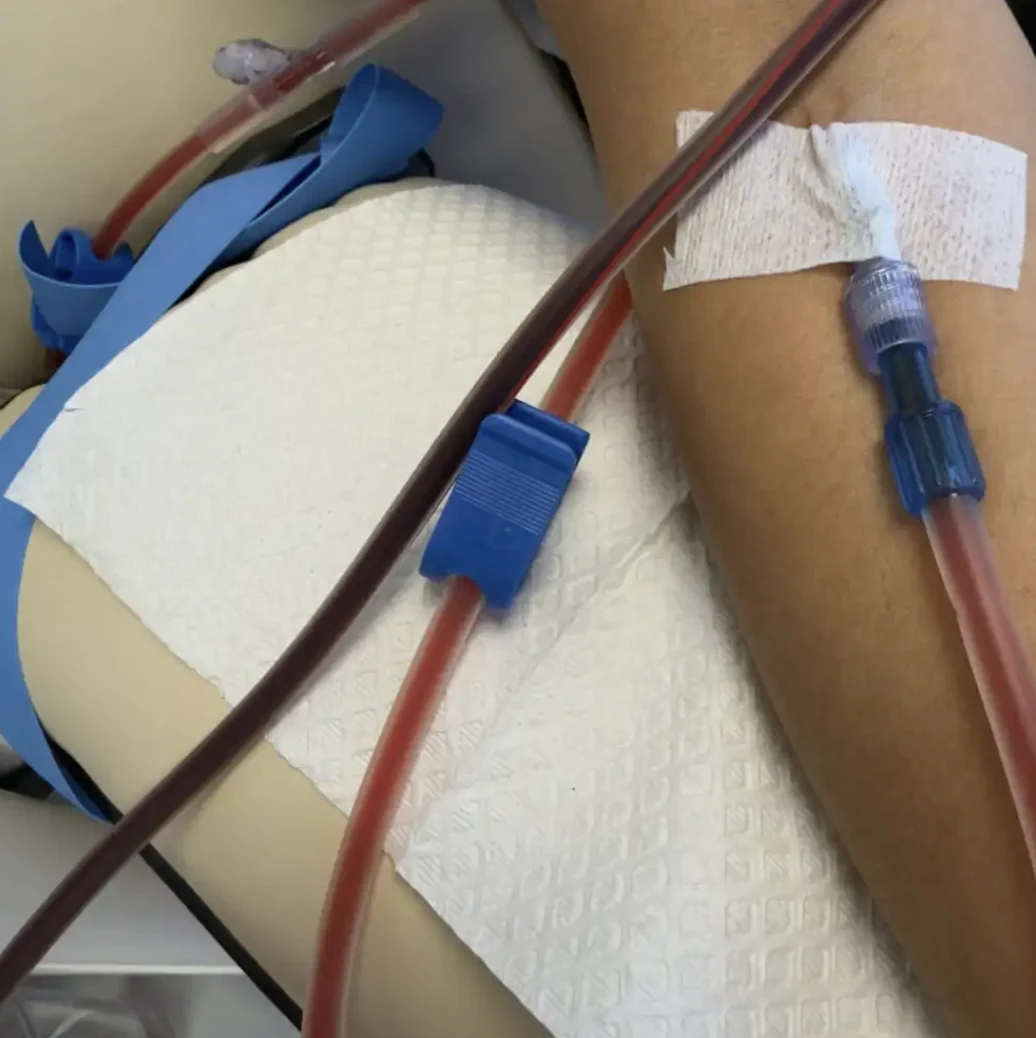
Who Should Consider EBOO Therapy? A Careful Look
Who should consider EBOO therapy? See who may be a fit for physician-supervised, oxygenation-focused wellness care and why screening comes first in care.
ReadMedical Disclaimer: Information on this website is for educational purposes only and is not intended to diagnose, treat, cure, or prevent any disease. It is not a substitute for medical advice. Individual results vary. Consult a qualified healthcare provider before beginning any treatment.