NAD+ infusion preparation is not a home wellness project or a standard IV-bar add-on. Knowing how to prepare an NAD infusion begins with the right clinical question: is NAD+ appropriate for this person, at this time, and within a broader provider-guided wellness plan? The infusion itself should be prepared and administered by qualified clinical professionals following a patient-specific order, pharmacy instructions, sterile handling standards, and active monitoring procedures.
For clients seeking cellular wellness, recovery support, healthy-aging planning, or performance-focused care, the quality of preparation can shape the entire experience. At EBO2 Therapy and Wellness, NAD+ therapy is approached as a consultation-based service, with screening required and pacing tailored to the individual.
Quick Answer
To prepare an NAD infusion in a clinical setting, a provider first completes an individualized review of health history, medications, goals, and potential contraindications. The clinical team then confirms the provider order, obtains the NAD+ product through appropriate pharmacy channels, prepares the infusion using sterile technique according to the product and facility protocols, establishes IV access, and administers it at a carefully selected rate while monitoring the client’s comfort and response.
The exact formulation, dilution, infusion duration, and adjunctive therapies are not one-size-fits-all decisions. They should be determined by the prescribing clinician and qualified infusion team rather than copied from an online protocol.
What Is an NAD+ Infusion?
NAD+ stands for nicotinamide adenine dinucleotide, a coenzyme involved in cellular energy metabolism and numerous enzymatic processes. NAD+ therapy delivers a prescribed NAD+ formulation intravenously over time under professional supervision. It is commonly considered by clients interested in energy support, recovery support, cognitive wellness, cellular vitality, and longevity-focused care.
Also known as NAD IV therapy or NAD+ IV therapy, this service is distinct from oral supplements. Intravenous administration requires clinical judgment because the infusion may feel intense for some individuals if it runs too quickly. A measured, responsive approach is central to a premium experience.
How to Prepare an NAD Infusion: The Clinical Process
Begin with a private consultation and screening
Preparation starts before any IV supplies are opened. A qualified provider reviews the client’s health background, current symptoms, medical history, medications, allergies, hydration status, and wellness priorities. This conversation also establishes whether NAD+ therapy fits the client’s broader plan or whether another modality may be more appropriate.
For example, a frequent traveler focused on recovery may require a different approach than an executive pursuing a long-term cellular wellness protocol. A client who arrives depleted, has a history of sensitivity to infusions, or is taking medications that merit additional review may need a modified plan or may be advised to defer treatment.
Screening required does not mean every concern leads to exclusion. It means clinical decisions are made deliberately. Results vary, and suitability depends on the person, not simply the service requested.
Confirm the provider order and pharmacy-sourced product
The treating clinician determines the intended NAD+ dose, carrier fluid, delivery method, rate parameters, and any relevant supportive measures. The clinical team verifies the order against the client record before preparation begins.
NAD+ used for infusion should be sourced and handled through appropriate medical and pharmacy channels. Product labeling, storage instructions, expiration information, appearance, and documentation should be reviewed before use. The team should not substitute a supplement, use an improperly stored product, or rely on generalized online mixing instructions.
This step matters because compounded and prescribed preparations can have specific handling requirements. The preparation process must follow the dispensing pharmacy’s directions as well as the clinic’s internal policies.
Use aseptic technique and verified IV supplies
Once the order is confirmed, trained personnel prepare the infusion in an appropriate clinical environment using aseptic technique. This includes verifying the client identity, inspecting all relevant supplies, preparing the prescribed solution according to applicable instructions, labeling the infusion correctly, and maintaining traceable documentation.
Qualified staff also select suitable IV equipment and assess venous access. The choice of catheter, tubing, infusion device, and monitoring plan may vary based on the client’s veins, prescribed duration, history with IV therapy, and anticipated comfort needs.
The aim is not merely to start an IV. It is to create a controlled setting where the team can respond promptly if the client experiences discomfort, changes in symptoms, or needs an adjustment in pacing.
Establish a conservative, personalized infusion rate
NAD+ is often administered gradually. Some clients may experience temporary sensations such as chest or abdominal tightness, nausea, warmth, headache, restlessness, or general discomfort when an infusion is delivered too rapidly. These experiences are one reason self-administration and rigid, speed-focused protocols are not appropriate.
The provider-guided rate is selected with the individual in mind and may be adjusted during the session. Slower delivery can make the experience more manageable, though it also requires more time. For a concierge practice, this trade-off is worthwhile: comfort, observation, and clinical judgment take priority over rushing the appointment.
Clients should communicate openly during the infusion. A responsive care team can pause, reduce the rate, reassess symptoms, and involve the supervising provider when needed.
What to Expect During an NAD+ Therapy Appointment
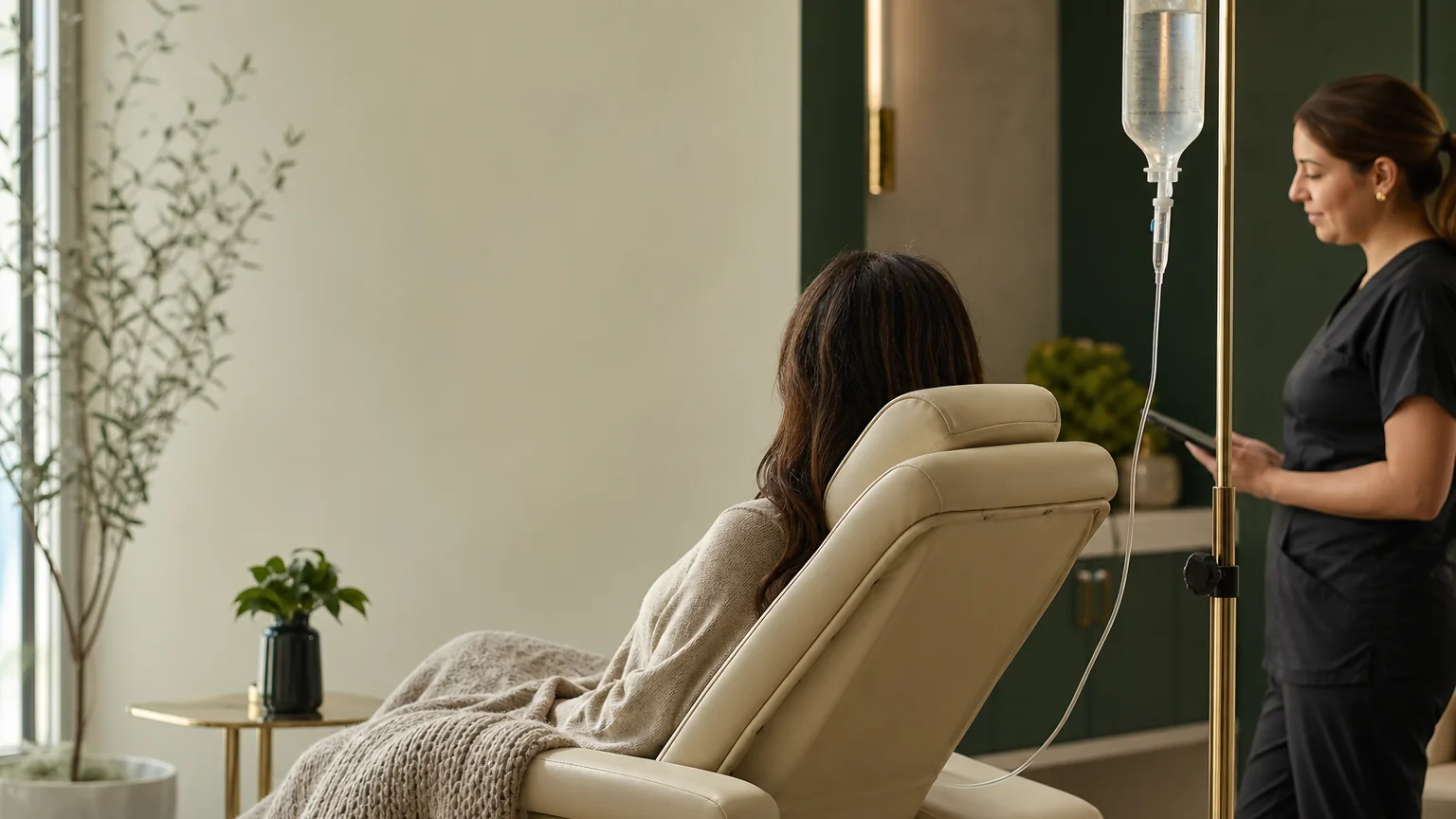
A well-run NAD+ therapy visit is typically quiet, unhurried, and monitored. After check-in and any required assessment, the care team confirms the planned protocol and starts the IV. The client is encouraged to settle in, hydrate as advised, and report how they feel throughout the session.
Because NAD+ infusions can take longer than many standard IV services, clients should plan their schedule accordingly. A private environment can be particularly valuable for executives, athletes, and travelers who prefer discretion and time to recover between appointments.
The session may be part of a personalized protocol that includes other advanced wellness therapies when clinically appropriate. Depending on the client’s goals and provider assessment, complementary options may include IV nutrient support, glutathione push, Hyperbaric Oxygen Therapy or HBOT, red light therapy, peptide therapy, or a CTOI Cellular Optimization Report. Each service should be considered on its own merits rather than bundled automatically.
Safety, Monitoring, and When to Postpone
NAD+ therapy should be physician-supervised and delivered by trained professionals who can evaluate readiness before treatment and monitor the client throughout. Screening should account for relevant medical history, active symptoms, prescription medications, pregnancy status when applicable, prior IV reactions, and any factors that could make elective infusion therapy unsuitable.
A client should not try to prepare an NAD infusion at home, repurpose an oral NAD-related product for injection, or purchase injectable materials from unverified sources. Sterility, formulation integrity, dosing, IV access, and clinical response all require professional oversight.
There are also times when the appropriate decision is to pause. Acute illness, dehydration, unexpected symptoms, or changes in medication can warrant reassessment before proceeding. Premium care includes knowing when not to administer an elective therapy.
Choosing the Right Setting for NAD+ Therapy
The setting should feel more like a private clinical wellness experience than a transactional IV bar. Look for a practice that offers provider review, transparent screening, qualified staff, pharmacy-aligned sourcing, individualized rate management, and a clear plan for monitoring and follow-up.
For clients in Rancho Palos Verdes and West Palm Beach, EBO2 Therapy and Wellness offers consultation-based NAD+ therapy within a broader menu of physician-supervised, longevity-focused services. The goal is not to promise a universal outcome. It is to design a thoughtful protocol that may support cellular wellness, recovery, and performance goals while respecting the client’s health history and pace.
The most useful preparation happens before the infusion begins: choose a setting where clinical standards, privacy, and individualized care are treated as part of the therapy itself.
Ready to talk with our team?
Book a complimentary consultation at our Rancho Palos Verdes or West Palm Beach clinic.
Request a ConsultationRelated services
Preclinical rationale for NAD metabolism does not establish clinical effectiveness of IV or IM NAD+ for anti-aging or general wellness. Compounded NAD+ preparations must be prepared with ingredients suitable for sterile compounding.
- FDA — reminder to compounders to use ingredients suitable for sterile compounding
U.S. Food & Drug Administration
FDA safety guidance on sterile compounding standards relevant to compounded NAD+ preparations. Regulatory context only; not a benefit statement.
- PRISMA systematic review of intravenous / intramuscular NAD+ for anti-aging and wellness
Peer-reviewed systematic review (PMID 41655607)
Systematic review reporting no eligible outcomes trials of IV/IM NAD+ for anti-aging or wellness endpoints; effectiveness remains inconclusive.
References describe general evidence, safety, or regulatory context. They do not establish an individual benefit for any specific person, and they do not validate EBO2's proprietary clinic protocols.
Related reading
More from the EBO2 Therapy and Wellness library.
Top IV Nutrients for Energy: A Clinical Guide
Explore top IV nutrients for energy, from B vitamins to magnesium and NAD+, with physician-guided considerations for personalized wellness support today.
Read
HBOT Versus Oxygen Chambers: What Changes?
HBOT versus oxygen chambers: learn how pressure, oxygen delivery, screening, and clinical oversight differ when selecting a personalized wellness protocol.
Read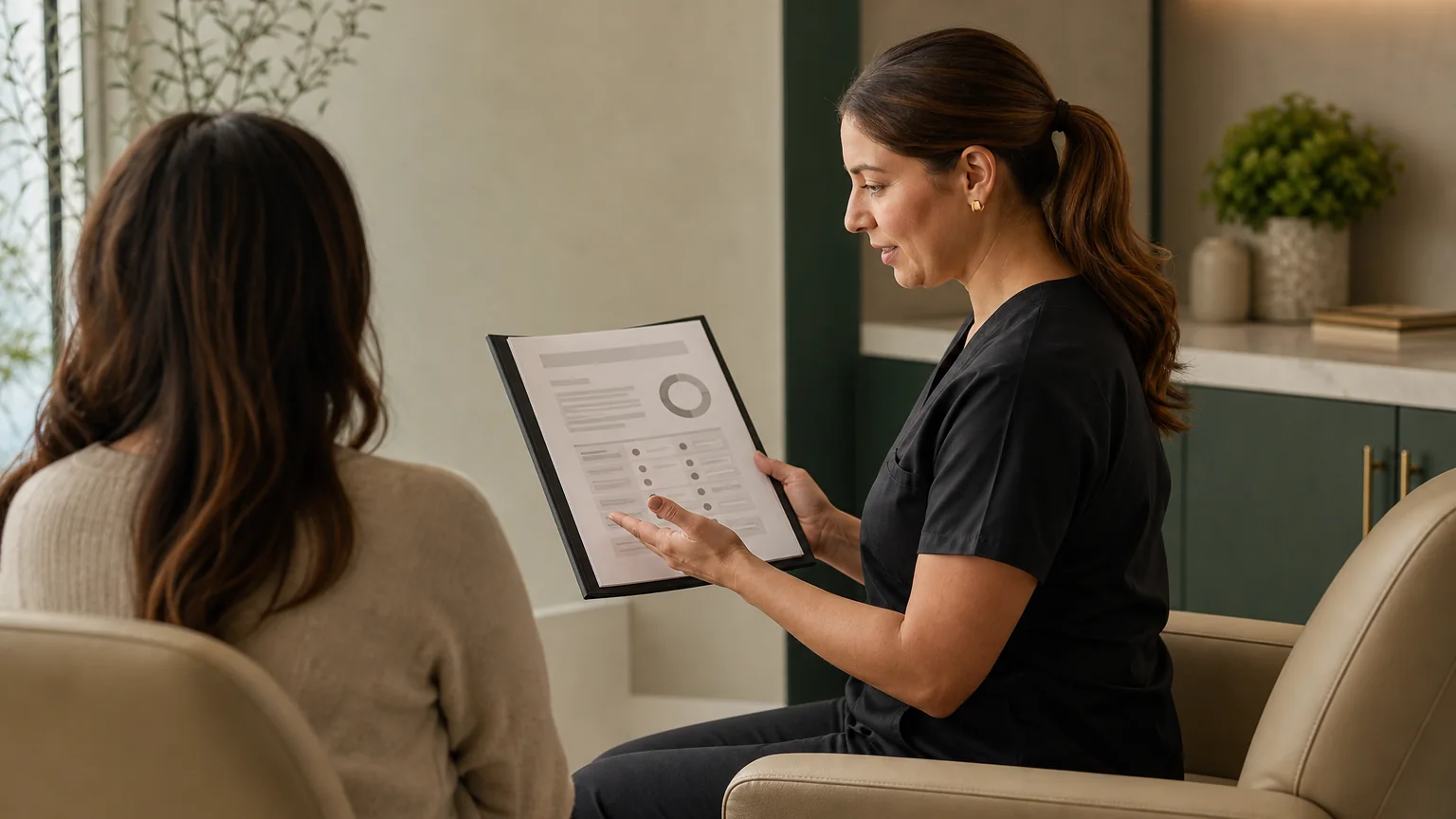
What a Regenerative Biologics Consultation Covers
A regenerative biologics consultation reviews goals, history, screening, and personalized wellness options with a physician-guided concierge care team.
ReadMedical Disclaimer: Information on this website is for educational purposes only and is not intended to diagnose, treat, cure, or prevent any disease. It is not a substitute for medical advice. Individual results vary. Consult a qualified healthcare provider before beginning any treatment.