The distinction in HBOT versus oxygen chambers is more consequential than the terminology suggests. A chamber may look like a chamber, but the pressure level, oxygen source, monitoring standards, and purpose of the session can differ substantially. For clients considering oxygenation-focused support for recovery, performance, travel fatigue, or longevity planning, those differences should guide the decision.
Quick answer: HBOT is a defined medical modality
Hyperbaric oxygen therapy, commonly called HBOT, involves breathing oxygen in a pressurized chamber under a specific clinical protocol. The increased ambient pressure changes how oxygen is carried and dissolved in the body, which is the central principle behind the modality.
By contrast, “oxygen chamber” is a broad consumer term. It may describe a medical-grade hyperbaric chamber, a lower-pressure mild hyperbaric chamber, or, in some settings, a relaxation-oriented oxygen environment that does not provide the pressure or oxygen delivery associated with formal HBOT. The label alone does not establish what treatment environment, level of oversight, or physiological exposure is being provided.
For a discerning client, the more useful question is not simply, “Is there a chamber?” It is: What pressure is used, what gas is delivered, who oversees the session, and is the protocol appropriate for my health history and goals?
HBOT versus oxygen chambers: the practical differences
Pressure is not a cosmetic detail
The defining feature of HBOT is pressure. In a hyperbaric setting, the chamber is pressurized above normal atmospheric pressure. That pressure exposure is carefully managed through a protocol that includes compression, time at pressure, and decompression.
Some facilities use the phrase “oxygen chamber” for mild hyperbaric systems. These may operate at lower pressure and may use compressed air rather than delivering high-concentration oxygen in the manner associated with medical HBOT. That does not make them inherently unsuitable for every wellness context, but it does mean they should not be represented as interchangeable with physician-supervised hyperbaric oxygen therapy.
Pressure also affects the experience. Clients may feel ear pressure during compression and decompression, similar to changes experienced during air travel. Proper equalization technique, pacing, and provider guidance matter, especially for first-time clients.
Oxygen delivery can vary widely
Formal HBOT protocols generally involve a defined oxygen-delivery method within a pressurized chamber. Depending on the chamber configuration, a client may breathe oxygen through a mask, hood, or other appropriate system. The chamber itself may be a monoplace unit for one person or a multiplace environment managed by trained personnel.
A chamber marketed broadly for wellness may expose a client to pressurized air, supplemental oxygen at lower concentrations, or a combination that differs from formal HBOT. Marketing language can make these distinctions easy to miss. Asking how oxygen is delivered, at what concentration, and under what pressure is a reasonable part of any private consultation.
Clinical purpose and wellness goals are not identical
HBOT has a defined place in medical care for certain diagnosed conditions under clinician direction. That is separate from using hyperbaric sessions within a broader wellness plan focused on recovery support, oxygenation-focused care, cellular wellness, or performance optimization.
At EBO2 Therapy and Wellness, the wellness conversation begins with the individual, not a one-size-fits-all chamber package. A provider-guided protocol may consider travel demands, training volume, sleep quality, recovery priorities, existing therapies, medical history, and broader longevity-focused objectives. Screening is required, and results vary.
This distinction is particularly relevant for executives, athletes, frequent travelers, and active adults. A client may be seeking support for demanding schedules or recovery routines, but that does not automatically mean HBOT is the right starting point or the only appropriate modality.
What an elevated HBOT experience should include
A premium hyperbaric experience is not defined by a spa-like room or a long list of generalized benefits. It is defined by thoughtful clinical process. Before treatment, the provider should review relevant health history, medications, ear and sinus considerations, recent procedures, pulmonary factors, and any reason a chamber session may need to be delayed or modified.
During a session, clients are typically positioned comfortably inside the chamber while the system follows its planned pressurization sequence. The length, pressure, oxygen-delivery approach, and total number of sessions depend on the protocol and the client’s goals. Some clients incorporate sessions into a focused recovery period, while others consider them as part of a longer personalized wellness plan.
A high-trust setting also makes space for practical questions. Can you equalize your ears comfortably? What should you wear? Can you read or rest during the session? What symptoms should be reported promptly? Clear answers and attentive monitoring are part of responsible care, not optional extras.
Safety and screening deserve more attention than marketing
Neither HBOT nor any oxygen chamber experience should be selected solely because it is popular in longevity circles. Pressurization and oxygen exposure require appropriate protocols. Certain health conditions, medications, respiratory concerns, ear issues, and recent changes in health status can affect candidacy.
Potential considerations include difficulty equalizing ear pressure, sinus congestion, claustrophobia, prior ear or lung concerns, and medication review. In some circumstances, a provider may recommend postponing a session, obtaining additional clearance, adjusting the plan, or considering another advanced wellness therapy instead.
This is where physician-supervised, consultation-based care changes the standard. The objective is not to place every client in a chamber. It is to determine whether an oxygenation-focused modality fits the person in front of you and, if it does, to structure the experience with appropriate oversight.
When a mild oxygen chamber may be considered
Lower-pressure chambers are often sought by clients who prefer a less intensive environment, want to explore a wellness-oriented experience, or are not pursuing a formal HBOT protocol. The setting may be more accessible and may feel less clinical. For some people, that is a meaningful practical advantage.
The trade-off is precision. A mild chamber may not replicate the pressure exposure or oxygen-delivery conditions of HBOT. It should therefore be evaluated on its own terms, with realistic expectations rather than assumed equivalence. If a provider, website, or facility does not clearly explain the chamber type and protocol, that lack of clarity is itself worth noting.
How HBOT may fit within a personalized protocol
For the right candidate, hyperbaric oxygen therapy may be one component of a broader recovery-focused or longevity-focused plan. Depending on the client’s priorities, a provider may discuss complementary options such as IV therapy, NAD+ therapy, glutathione support, red light or near-infrared therapy, peptide therapy, or a CTOI Cellular Optimization Report.
These services are not interchangeable, and they should not be stacked casually. A personalized protocol considers timing, tolerance, goals, and the client’s complete wellness picture. Someone preparing for a demanding travel schedule may need a different plan than an athlete in a high-volume training phase or an executive seeking a more sustainable recovery routine.
For clients in Rancho Palos Verdes and West Palm Beach, private consultation-based care offers a more considered alternative to choosing a chamber based on convenience or promotional claims alone.
Frequently asked questions
Is HBOT the same as oxygen chamber therapy?
Not always. HBOT refers to a structured hyperbaric protocol involving increased pressure and defined oxygen delivery. “Oxygen chamber therapy” is a broader term that may refer to HBOT, mild hyperbaric exposure, or another oxygen-focused wellness offering.
Are all hyperbaric chambers the same?
No. Chambers differ in pressure capability, configuration, oxygen-delivery method, monitoring, and clinical setting. Those differences influence both the intended protocol and the client experience.
How do I know which option is appropriate?
Begin with screening and a provider-guided discussion rather than choosing based on chamber appearance or marketing language. Your health history, comfort with pressure changes, current medications, wellness goals, and desired level of oversight all matter.
Can HBOT be combined with other wellness therapies?
It may be included in a personalized protocol when appropriate. The timing and selection of complementary therapies should be determined through consultation, not a standardized menu. Results vary, and screening is required.
The right chamber is the one supported by clear protocol design, credible oversight, and a plan that respects your individual goals. A private consultation can clarify whether HBOT, a different oxygenation-focused option, or another recovery-support strategy best fits the next phase of your wellness plan.
Ready to talk with our team?
Book a complimentary consultation at our Rancho Palos Verdes or West Palm Beach clinic.
Request a ConsultationRelated services
FDA clearance covers specified hyperbaric chambers, and accepted clinical use is tied to specific conditions, pressures, and protocols documented by UHMS. General wellness or anti-aging claims are not FDA-cleared uses, and Cochrane reviews continue to describe limited or inconclusive evidence outside those accepted indications.
- FDA letter to health care providers — Follow Instructions for Safe Use of Hyperbaric Oxygen Therapy Devices
U.S. Food & Drug Administration
FDA safety communication distinguishing FDA-cleared HBOT chambers and their labeled indications from wellness marketing claims.
- UHMS Hyperbaric Oxygen Therapy Indications — 15th Edition (front matter & references)
Undersea and Hyperbaric Medical Society
UHMS indications manual defining accepted HBOT indications with condition-specific protocols. Accepted uses are narrow and protocol-defined; not a blanket wellness endorsement.
- Cochrane systematic review of hyperbaric oxygen therapy (PMID 26106870)
Cochrane Database of Systematic Reviews (PMID 26106870)
Cochrane review describing limited and often inconclusive evidence for HBOT outside its accepted indications — supports the condition/protocol-specific framing above.
References describe general evidence, safety, or regulatory context. They do not establish an individual benefit for any specific person, and they do not validate EBO2's proprietary clinic protocols.
- Hyperbaric Oxygen Session Guide for First Visits
- EBOO Therapy vs HBOT: Which Fits Your Goals?
- West Palm Beach HBOT for Personalized Recovery
- Who Should Consider EBOO Therapy? A Careful Look
- What a Regenerative Biologics Consultation Covers
- Can NAD IV Support Focus? A Clinical View
- How to Plan HBOT Sessions for Better Recovery
Related reading
More from the EBO2 Therapy and Wellness library.

What a Regenerative Biologics Consultation Covers
A regenerative biologics consultation reviews goals, history, screening, and personalized wellness options with a physician-guided concierge care team.
Read
Can NAD IV Support Focus? A Clinical View
Can NAD IV support focus? Learn how physician-guided NAD+ therapy may fit a personalized plan for cognitive wellness, energy, recovery, and longevity care.
Read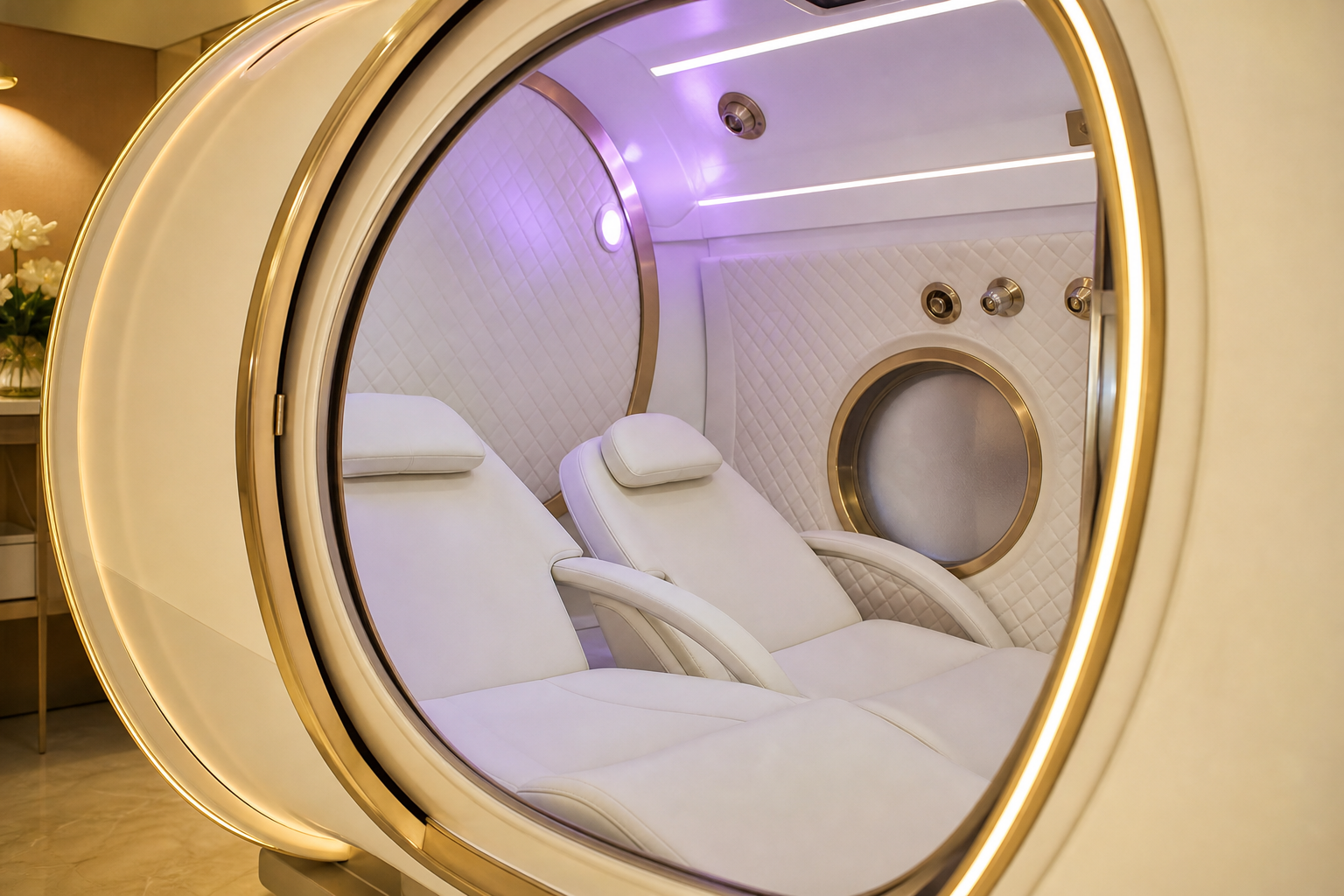
How to Plan HBOT Sessions for Better Recovery
Learn how to plan HBOT sessions with physician-guided timing, screening, and realistic recovery and cellular wellness goals for a personalized protocol.
ReadMedical Disclaimer: Information on this website is for educational purposes only and is not intended to diagnose, treat, cure, or prevent any disease. It is not a substitute for medical advice. Individual results vary. Consult a qualified healthcare provider before beginning any treatment.