A high-performing executive may have the discipline to train, eat well, and protect sleep, yet still feel that recovery is inconsistent, travel takes too much out of them, or their wellness routine has become a collection of disconnected appointments. That is where understanding how physician guided longevity care works becomes useful. Rather than selecting treatments from a menu, the process begins with clinical context, clear goals, and a provider-guided plan designed around the individual.
Quick Answer
Physician-guided longevity care is a consultation-based approach to wellness optimization. A physician or qualified provider reviews health history, current medications, lifestyle demands, relevant testing, and personal priorities before recommending a personalized protocol. The plan may include advanced wellness therapies intended to support oxygenation, recovery, hydration, cellular wellness, detox pathway support, performance, and healthy aging.
It is not a one-size-fits-all package, and it is not a substitute for primary or specialty medical care. Screening is required, recommendations depend on the person, and results vary.
How Physician-Guided Longevity Care Works in Practice
The distinction is not simply that a physician is present. It is that clinical judgment shapes the entire experience, from determining whether a therapy is appropriate to deciding the sequence, pacing, and combination of services.
It starts with a private consultation
A meaningful longevity consultation goes beyond asking whether someone wants more energy. The provider considers what that request may mean in context. For one client, the focus may be recovery support during demanding travel and training. For another, it may be maintaining cognitive wellness, supporting healthy routines through a high-pressure season, or developing a more deliberate longevity-focused plan.
The discussion may cover health history, diagnoses, prior procedures, medications, supplements, allergies, family history, sleep, activity level, nutrition, alcohol use, stress, travel, and prior experience with IV or oxygenation-focused therapies. Clients should be prepared to share this information candidly. A premium wellness plan is only as thoughtful as the information behind it.
Screening determines what belongs in the plan
Not every advanced wellness therapy is appropriate for every person. Screening may include a review of medical records, laboratory work, vital signs, and other information the provider considers relevant. Certain therapies may require additional evaluation, physician clearance, or a decision to defer care altogether.
This is especially relevant for clients taking prescription medications, managing complex health conditions, planning surgery, or considering therapies that involve blood handling, pressure changes, infusions, or biologic products. The appropriate response is sometimes a modified protocol. Sometimes it is a referral back to the client's primary physician or specialist. That restraint is part of medically responsible concierge care.
Goals are translated into a personalized protocol
After screening, the provider can recommend a protocol with a clear rationale. A client seeking recovery support after intense training may receive a different recommendation from someone whose priority is travel readiness or a more comprehensive cellular wellness strategy.
A protocol may involve one therapy, a short series, or carefully timed services over several weeks or months. Frequency is not arbitrary. It may depend on tolerance, response, schedule, budget, baseline health, and the purpose of the program. More is not automatically better, particularly when the goal is a sustainable plan that fits real life.
What a Personalized Longevity Protocol May Include
Advanced longevity care is often multidisciplinary. The value is not in accumulating the greatest number of therapies, but in selecting tools that make sense together.
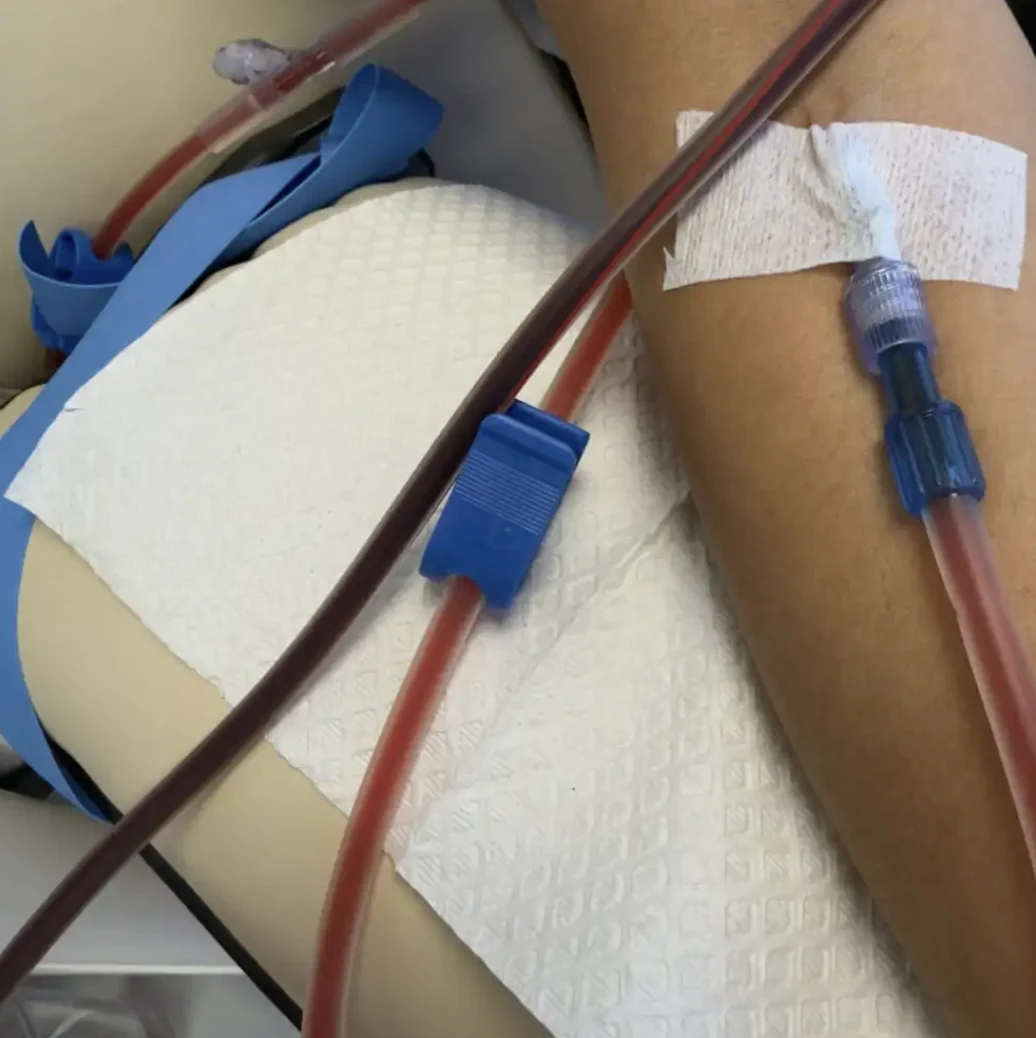
At EBO2 Therapy and Wellness, physician-supervised options may include EBO3 Therapy, IV therapy, NAD+ Therapy, glutathione pushes, Hyperbaric Oxygen Therapy, red light and near-infrared photobiomodulation, peptide therapy, Therapeutic Plasma Exchange, and consultation for regenerative biologics. Each service has a different role, preparation process, and screening standard.
Oxygenation-focused therapies
EBO3 Therapy is the primary official term for the practice's advanced oxygenation service. Some people searching online may also use EBOO Therapy, EBO2 Therapy, EBO Therapy, or EBO treatment. These alternate terms can refer to related search concepts, but a provider should explain the specific service being considered, its process, and whether it fits the client's wellness goals.
Oxygenation-focused care may be considered by clients interested in recovery support, cellular wellness, and performance-oriented routines. It should never be presented as a universal solution or a replacement for diagnosis and disease management.
IV and nutrient-based support
IV therapy can be incorporated when a provider determines that hydration or nutrient support aligns with the client's plan. Options such as NAD+ Therapy, glutathione, and Methylene Blue IV require individualized discussion because suitability, dosing approach, timing, and potential interactions matter.
For some clients, an infusion fits best around travel, demanding work periods, or athletic recovery. For others, it may not be necessary. A provider-guided recommendation is more useful than simply choosing an IV based on a trend or a social media claim.
Recovery and performance modalities
Hyperbaric Oxygen Therapy, also called HBOT or oxygen chamber therapy, uses a pressurized environment and has specific eligibility considerations. Red light therapy, near-infrared therapy, and photobiomodulation are noninvasive modalities that may be incorporated into a recovery-focused routine.
These services can complement disciplined basics such as sleep, nutrition, movement, and stress management. They do not replace them. A sophisticated longevity strategy respects that the fundamentals remain foundational, even when advanced technology is available.
More intensive or specialized planning
Therapeutic Plasma Exchange, also known as TPE, plasma exchange, or plasmapheresis, is a more involved procedure that warrants thorough physician review and appropriate clinical oversight. It may be discussed as part of an individualized wellness strategy for select, screened clients. The decision should account for health status, procedural considerations, recovery expectations, and whether the client has appropriate medical support.
Peptide therapy and regenerative biologics consultations also require nuance. Products, sourcing, intended use, eligibility, and regulatory considerations vary. A responsible provider does not promise tissue regeneration, disease reversal, or guaranteed outcomes. The role of consultation is to clarify options and determine whether a conservative, medically appropriate path exists.
Monitoring Makes the Plan More Useful
Longevity care should not end when a therapy session does. Providers monitor how a client feels, how they tolerate services, and whether the original plan still fits their goals. Follow-up may lead to adjustments in timing, intensity, supportive therapies, or the decision to pause.
Some clients also benefit from a more organized assessment process, such as a CTOI Cellular Optimization Report. This type of reporting can help structure a discussion around wellness priorities and potential next steps. It is not a diagnosis, and it should be interpreted in the full context of the client's health history and provider assessment.
The most valuable measure is not a dramatic promise. It is whether the plan remains appropriate, manageable, and aligned with the client's stated priorities over time.
Safety, Transparency, and the Limits of Wellness Care
High-end care should feel private and attentive, not permissive. Before beginning any service, clients should understand what the therapy involves, what preparation may be needed, what sensations or short-term effects may occur, and when to contact the care team.
A qualified provider should also explain meaningful limitations. Advanced wellness therapies may support certain wellness goals, but they are not designed to diagnose, cure, treat, or may support resilience against disease. Claims that a service can "clean the blood," remove all toxins, or supports healthy aging should be treated with caution.
Clients should continue routine preventive care and maintain communication with their primary care physician and specialists. This matters even more for people with cardiovascular concerns, metabolic conditions, active symptoms, medication changes, pregnancy, recent procedures, or complex medical histories.
Who May Be Interested in Physician-Guided Care?
This model often appeals to executives, entrepreneurs, athletes, frequent travelers, and active adults who value privacy, efficiency, and a more coordinated wellness experience. It can also suit clients who are already investing in foundational health habits and want advanced therapies considered with greater care than a standard walk-in setting can provide.
The best candidates are not necessarily those seeking the most treatments. They are people willing to be screened, to discuss their history honestly, and to follow a plan that may change as their needs change.
Clients in Southern California and South Florida may seek care at concierge locations in Rancho Palos Verdes and West Palm Beach. The experience is designed for private consultation, thoughtful coordination, and provider-guided planning rather than a high-volume treatment environment.
A Better Question Than “What Is a Therapy option?”
The more useful question is: what is appropriate for me, now, given my health history, goals, and capacity to follow through? That is the practical value of physician-guided longevity care. It turns a long list of promising therapies into a considered plan, with screening, clinical boundaries, and the flexibility to adjust as life changes.
For clients who want advanced wellness care without exaggerated claims, the right next step is a private consultation that begins with context, not a package.
Ready to talk with our team?
Book a complimentary consultation at our Rancho Palos Verdes or West Palm Beach clinic.
Request a ConsultationRelated services
Related reading
More from the EBO2 Therapy and Wellness library.
How to Choose EBO3 Therapy With Confidence
Learn how to choose EBO3 therapy with physician-guided screening, clear protocol standards, and personalized planning for recovery and cellular wellness.
Read
Methylene Blue Wellness Protocols for Longevity
Methylene blue wellness protocols require more than an IV. Learn how physician-guided screening, dosing, timing, and follow-up inform personalized care.
Read
West Palm Beach HBOT for Personalized Recovery
West Palm Beach HBOT with physician-supervised, personalized care for oxygenation support, recovery, performance, and longevity-focused wellness planning.
ReadMedical Disclaimer: Information on this website is for educational purposes only and is not intended to diagnose, treat, cure, or prevent any disease. It is not a substitute for medical advice. Individual results vary. Consult a qualified healthcare provider before beginning any treatment.