
Most people do not need more wellness advice. They need a plan that makes sense for their body, schedule, goals, and risk profile. That is really the answer to what is longevity health plan: a personalized, physician-supervised strategy designed to support healthier aging, better recovery, stronger resilience, and more informed wellness decisions over time.
A longevity health plan is not a one-size-fits-all supplement list or a vague promise to “age better.” In a high-quality clinical setting, it is a provider-guided framework that looks at how you are functioning now, where your stressors and limitations may be, and which interventions are appropriate for your goals. Depending on the practice, that may include advanced lab review, wellness screening, body composition analysis, recovery assessment, oxygenation-focused therapies, IV support, peptide strategies, or other consultation-based services. Screening is required, and results vary.
What is a longevity health plan, really?
At its best, a longevity health plan is part medical oversight, part lifestyle strategy, and part ongoing optimization. The purpose is not to chase every trend in the wellness market. The purpose is to create a structured, personalized protocol that may support energy, recovery, cognitive wellness, cellular vitality, and healthy aging with more precision.
That means the plan should begin with context. A 42-year-old entrepreneur dealing with travel fatigue, inconsistent sleep, and high cognitive demand needs a different approach than a 63-year-old active adult focused on recovery, body composition, and long-term performance. Both may be interested in longevity, but the path is not identical.
A serious plan also accounts for trade-offs. Some clients want the most comprehensive protocol possible. Others want the fewest interventions with the highest practical value. Some are interested in oxygenation-focused care such as EBO3 Therapy or Hyperbaric Oxygen Therapy, while others are more appropriate for IV support, NAD+ Therapy, red light therapy, or a broader recovery-focused protocol. It depends on health history, goals, tolerance, and provider assessment.
What a longevity plan usually includes
A well-built longevity plan usually starts with a private consultation and a clear baseline. Without that, it is mostly guesswork. The provider is trying to understand not just symptoms or complaints, but patterns - energy fluctuation, recovery time, training load, sleep quality, stress burden, travel demands, and broader wellness priorities.
From there, the plan may include diagnostic review, body composition data, biomarker analysis, or a more advanced wellness assessment such as a cellular optimization report. The goal is to identify where support may be useful, not to create unnecessary complexity.
The next step is protocol design. This is where a personalized plan becomes more than a list of recommendations. A provider-guided protocol may include nutritional guidance, lifestyle changes, sleep support, exercise recovery planning, and selected advanced wellness therapies. In a concierge setting, these therapies might include IV Therapy, NAD+ Therapy, Glutathione Push, Hyperbaric Oxygen Therapy, Red Light Therapy, peptide strategies, or oxygenation-focused services such as EBO3 Therapy. In some cases, clients may also explore Therapeutic Plasma Exchange or regenerative biologics consultation when appropriate and after screening.
The strongest plans also include timing. Not every intervention belongs at once. Some people do better with a phased approach - stabilize sleep and hydration first, then add recovery support, then reassess whether more advanced therapies fit. Others may need a tighter schedule built around athletic training, executive travel, or seasonal demands.
Why people look for longevity planning
Many clients searching for longevity care are not waiting for a crisis. They want a more intelligent approach to maintaining function, performance, and resilience as they age. That might mean preserving energy through a demanding work schedule, supporting recovery after training, staying sharper during travel, or addressing the wear-and-tear that accumulates from stress and modern routines.
There is also a practical reason this model has grown. Wellness information is abundant, but decision quality is often poor. People piece together supplements, devices, and therapies without a coherent framework. A longevity health plan brings structure. It helps define what matters now, what can wait, and what should be monitored.
That structure is especially valuable for people investing in advanced care. Premium therapies make more sense when they are selected intentionally, used in the right sequence, and reviewed over time. Otherwise, even expensive wellness can become random.
Who may benefit from a longevity health plan
The phrase can sound broad, but the right candidates are usually easy to recognize. They are often health-conscious adults who want a more precise and private level of care than a standard primary care or retail wellness setting provides.
That includes executives with high output and limited recovery time, athletes and active adults focused on performance support, frequent travelers dealing with energy disruption, and individuals who want physician-supervised guidance around healthy aging. It also includes clients who are already using wellness services and want those services organized into a coherent strategy.
Not everyone needs an extensive protocol. Some clients benefit from a focused plan with only a few changes and periodic reassessment. Others prefer a broader, concierge-level relationship with ongoing support. A good practice should be able to do both.
What is in a high-quality longevity health plan versus a generic one?
The difference is personalization and clinical judgment. A generic plan tends to rely on broad wellness language, standard supplement recommendations, and trend-driven add-ons. It may sound polished, but it often lacks a real decision-making process.
A high-quality plan starts with screening, health history, and provider review. It identifies priorities. It explains why one therapy may fit and another may not. It pays attention to tolerance, scheduling, and response. It also avoids exaggerated claims.
For example, oxygenation-focused therapies may be appealing for clients interested in recovery support and cellular wellness, but they are not interchangeable with every other therapy. Hyperbaric Oxygen Therapy, EBO3 Therapy, IV support, red light therapy, and peptide protocols each have different roles in a personalized program. The best plan does not try to use everything. It selects what is appropriate.
What to expect when starting one
The first stage is usually consultation and screening. You should expect detailed questions, not a rushed intake. A thoughtful provider will want to understand your goals, medical background, medications, current wellness routine, stress load, sleep pattern, and prior experience with advanced therapies.
Once eligibility and priorities are clear, a personalized protocol can be built. That may include foundational lifestyle recommendations, a schedule for reassessment, and selected therapies designed to support your goals. In a physician-supervised concierge practice, this process is often more private and more tailored than what clients find in a standard wellness clinic.
Follow-up matters just as much as the initial plan. Longevity is not a single intervention. It is an ongoing process of evaluating response, adjusting intensity, and deciding what remains worthwhile. Some therapies may feel valuable immediately. Others may require consistency and monitoring. Some may simply not be the right fit.
Safety, screening, and the reality of results
A credible longevity health plan should feel measured, not hyped. Screening should be part of the process. Medical history matters. So do contraindications, tolerance, and realistic expectations.
This is particularly important with advanced wellness therapies. Provider-guided care helps determine whether a client may be appropriate for oxygenation-focused services, IV protocols, peptide strategies, or more specialized options. It also helps set expectations. These services are designed to support wellness goals, recovery, and optimization. They are not shortcuts, and they should not be presented as guarantees.
Results vary because people vary. Age, physiology, baseline habits, stress, sleep, training volume, and consistency all influence outcomes. That is not a flaw in the model. It is the reason personalization matters.
Where a concierge approach fits
For clients seeking a more elevated level of oversight, a concierge longevity model offers a clear advantage. It allows more time for assessment, more thoughtful protocol design, and a greater emphasis on privacy and continuity. That is often important for busy professionals, public-facing individuals, and anyone who prefers a discreet, high-touch clinical experience.
At EBO2 Therapy and Wellness, this type of physician-supervised, consultation-based approach is central to how longevity planning is built. Rather than offering isolated services without context, the goal is to create personalized protocols that may support cellular wellness, recovery, detox pathway support, and healthy aging based on individual screening and provider guidance.
The value of that approach is not just access to advanced therapies. It is having a plan that is coherent, medically responsible, and aligned with how you actually live.
If you have been asking what is longevity health plan, the simplest answer is this: it is a personalized roadmap for aging with more intention. The best ones do not promise perfection. They help you make better decisions, at the right time, with the right level of support.
Ready to talk with our team?
Book a complimentary consultation at our Rancho Palos Verdes or West Palm Beach clinic.
Request a ConsultationRelated services
Related reading
More from the EBO2 Therapy and Wellness library.
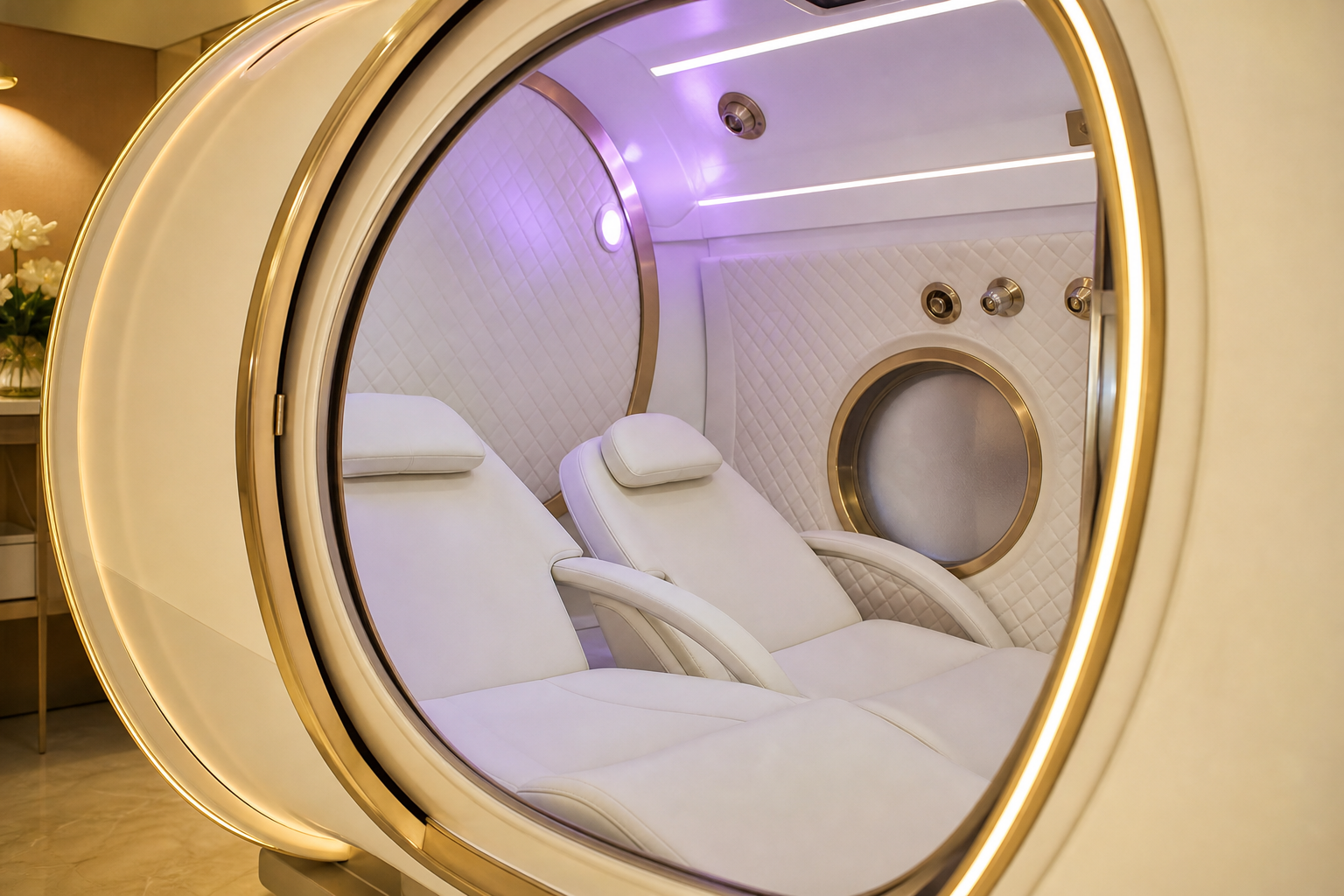
How to Plan HBOT Sessions for Better Recovery
Learn how to plan HBOT sessions with physician-guided timing, screening, and realistic recovery and cellular wellness goals for a personalized protocol.
ReadHyperbaric Oxygen Session Guide for First Visits
A hyperbaric oxygen session guide for first-time clients: preparation, chamber experience, pressure changes, screening, and personalized care planning.
Read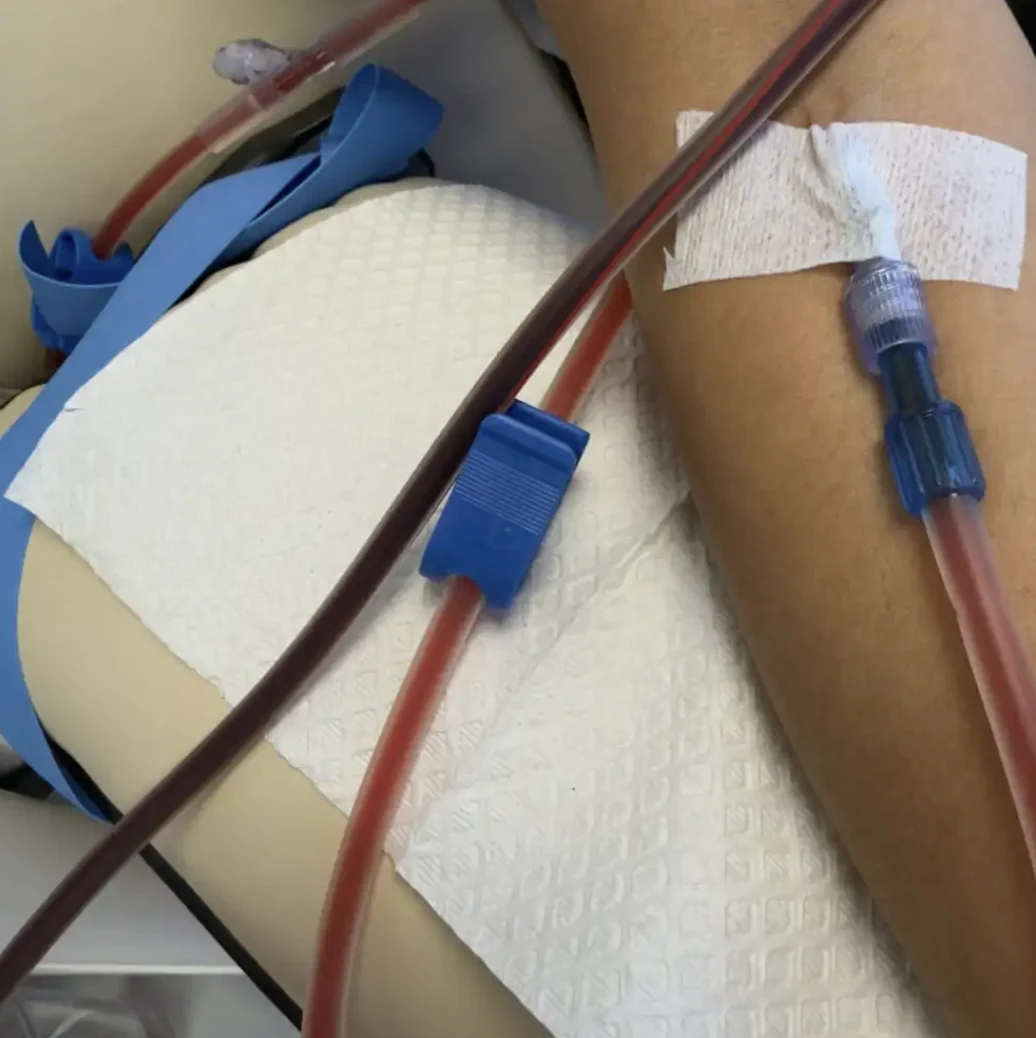
EBOO Therapy vs HBOT: Which Fits Your Goals?
Compare eboo therapy vs hbot for oxygenation-focused wellness, recovery support, screening, comfort, and a personalized physician-guided plan discussion.
ReadMedical Disclaimer: Information on this website is for educational purposes only and is not intended to diagnose, treat, cure, or prevent any disease. It is not a substitute for medical advice. Individual results vary. Consult a qualified healthcare provider before beginning any treatment.