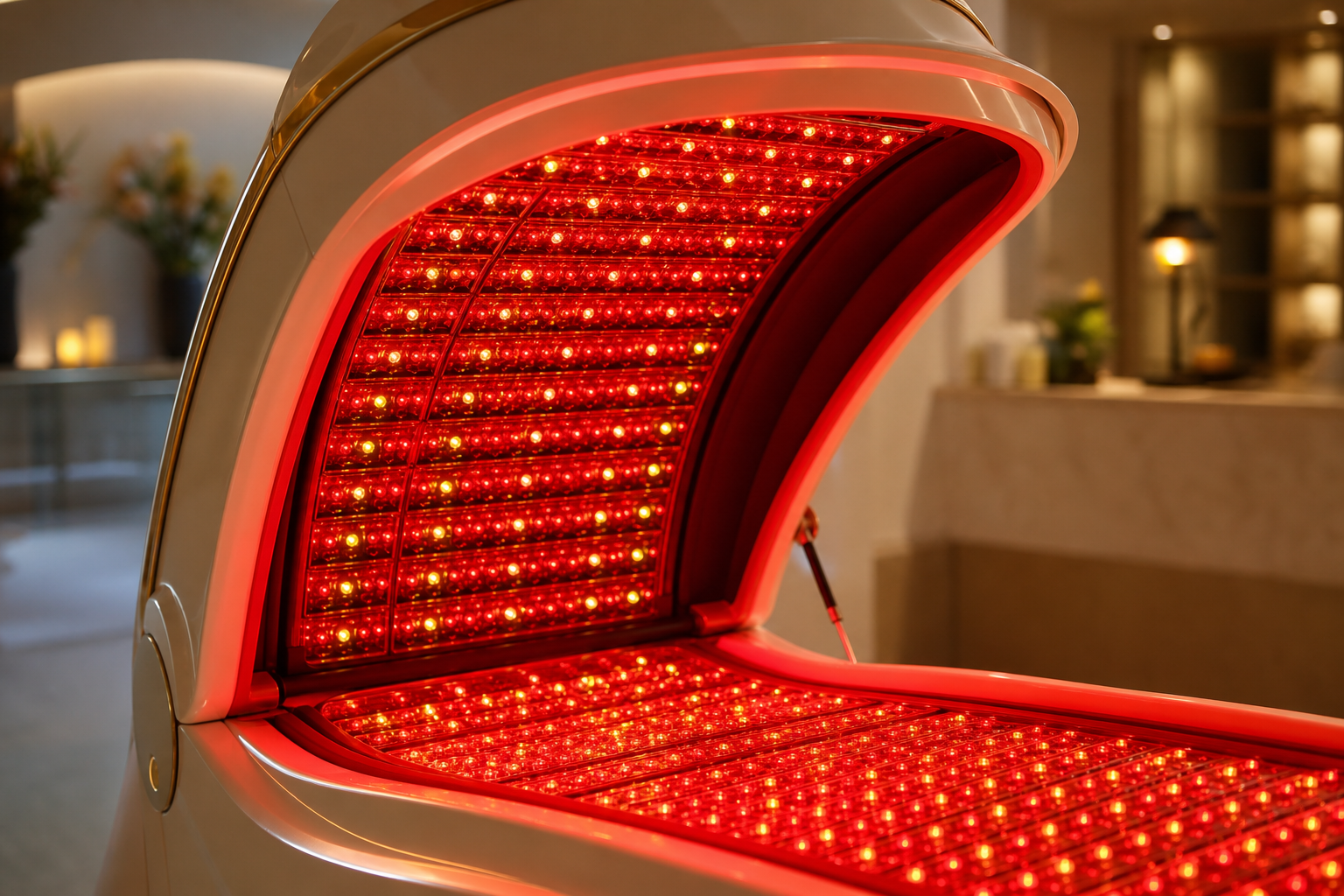
A search for red light therapy near me can return everything from gym recovery rooms and salon-style booths to clinical wellness practices. The difference is not cosmetic. Device quality, wavelength selection, treatment planning, screening, and the level of provider oversight can all shape whether a session fits your goals and health profile.
Considering Red Light Therapy? Explore our full Red Light Therapy program at EBO2 Therapy and Wellness — learn more →
For clients seeking a more considered approach to cellular wellness, red light therapy is best viewed as one element of a broader, personalized plan - not a stand-alone answer to every concern. The right setting should offer clarity about the technology, respect appropriate screening, and make room for your recovery, performance, longevity, and lifestyle priorities.
What red light therapy is - and what it is also called
Red light therapy uses specific wavelengths of visible red light and near-infrared light. The approach is also commonly called photobiomodulation, near-infrared therapy, or low-level light therapy. While red wavelengths are visible, near-infrared wavelengths are not; both are used in wellness settings depending on the device and protocol.
Sessions generally involve sitting or standing near a full-body panel, bed, or targeted device for a set period. The experience is typically quiet and noninvasive. Unlike ultraviolet tanning devices, red and near-infrared devices do not rely on UV exposure. However, that does not make every device, protocol, or individual situation interchangeable. The appropriate intensity, distance, duration, and frequency depend on the equipment and the person receiving care.
High-quality care begins with realistic expectations. Red light therapy may support recovery, exercise readiness, skin appearance goals, comfort after physical exertion, and general cellular wellness. Research in photobiomodulation is active and promising in several areas, but results vary, and wellness services should not be presented as a cure or replacement for medical evaluation.
How to evaluate red light therapy near me
Convenience matters, especially when a protocol may involve recurring sessions. But proximity should be the starting point, not the deciding factor. A premium wellness experience should make the technology and clinical process understandable without overselling either.
Ask about wavelengths, irradiance, and treatment design
Not every red light device delivers the same output or uses the same wavelength range. A reputable practice should be able to explain the type of device it uses, whether it provides red and near-infrared wavelengths, and how sessions are designed. You do not need to become an engineer, but you should not be asked to accept vague promises in place of basic information.
Irradiance - the light power reaching the body at a particular distance - is particularly relevant. More intensity is not automatically better. A provider-guided protocol considers the device specifications, treatment area, session duration, and your response over time. This is more thoughtful than applying a one-size-fits-all schedule to every client.
Look for screening and provider guidance
A red light session may appear simple, yet responsible practices still ask the right questions. Medication use, photosensitivity, eye considerations, active medical concerns, recent procedures, pregnancy status, and personal health history can all be relevant to screening. Depending on the device and treatment area, eye protection or other precautions may be recommended.
A concierge practice should also know when red light therapy is not the immediate priority. If a client has new, severe, or unexplained symptoms, a wellness appointment is not a substitute for appropriate medical care. Screening required is not a barrier to access; it is a sign that the practice takes provider-guided wellness seriously.
Consider whether the setting matches your goals
A quick drop-in session may suit someone who simply wants convenient post-workout recovery support. Clients with more layered goals - frequent travel, demanding training schedules, sleep disruption, high-performance work, healthy-aging planning, or a broader cellular wellness strategy - may prefer a private consultation and personalized protocol.
That distinction matters. Red light therapy can be a useful supporting modality, but it often makes more sense when coordinated with hydration, nutrition, movement, sleep, physician guidance, and other advanced wellness therapies when appropriate. The best plan is not necessarily the most intensive plan. It is the one that is proportionate to your goals, schedule, and screening profile.
What to expect at a consultation-based red light therapy visit
At a higher-touch practice, the first step is usually a conversation rather than an immediate session. Your provider may discuss your wellness goals, activity level, current routine, health history, medications and supplements, prior experiences with light-based therapies, and any sensitivities that could affect planning.
If red light therapy is appropriate, you may receive guidance on session timing, exposure duration, distance from the device, and consistency. Some people use sessions around exercise or recovery periods. Others incorporate them into a longevity-focused routine designed around energy support, healthy aging, or general performance optimization. The protocol should remain adaptable rather than rigid.
During a session, clients commonly experience gentle warmth or no significant sensation at all, depending on the equipment. You should be able to ask questions about positioning, comfort, and precautions. Afterward, the practice may recommend observing how you feel across several visits instead of judging the experience from one session alone.
Safety, limitations, and realistic expectations
Red light and near-infrared therapy are widely used in wellness environments, but responsible care requires more than calling a service noninvasive. Individual circumstances matter. Photosensitizing medications or supplements, certain eye conditions, skin sensitivities, active health concerns, and recent treatments may change whether or how a session is approached.
It also helps to distinguish a wellness objective from a medical claim. Red light therapy may support recovery and cellular wellness, but it should not be positioned as a means to diagnose, cure, treat, or may support resilience against disease. Clients should continue working with their licensed medical professionals for medical conditions and seek timely evaluation for concerning symptoms.
Results vary. Some clients value the ritual of a consistent recovery practice and the opportunity to pause in a private setting. Others are looking for measurable improvements in training readiness or appearance-related goals. A credible provider will discuss what may be reasonable to monitor while avoiding aims for.
Red light therapy within a concierge wellness plan
For the right client, photobiomodulation can complement a wider protocol rather than compete with it. Recovery-focused clients may discuss IV Therapy, NAD+ Therapy, Hyperbaric Oxygen Therapy, or peptide therapy with their provider. Clients focused on more comprehensive cellular wellness and longevity planning may also explore advanced options such as EBO3 Therapy, therapeutic plasma exchange, or a CTOI Cellular Optimization Report, when screening and clinical judgment support that discussion.
These services are not interchangeable, and they should not be bundled simply because they are available. Each has a distinct purpose, process, and set of considerations. A consultation-based model creates space to decide whether red light therapy is the appropriate starting point, a complementary service, or something to defer.
EBO2 Therapy and Wellness provides physician-supervised, private consultations and personalized protocols for clients seeking advanced wellness support in Rancho Palos Verdes, California, and West Palm Beach, Florida. The approach is designed for clients who value discretion, informed planning, and a higher standard of clinical oversight.
Frequently asked questions about red light therapy near me
How often should I schedule red light therapy?
Frequency depends on the device, the intended wellness goal, your schedule, and provider guidance. Some protocols involve several sessions over a defined period, while others are used periodically as part of an ongoing recovery routine. Consistency may matter more than pursuing overly long or frequent sessions.
Is near-infrared therapy the same as red light therapy?
They are closely related but not identical. Red light is visible, while near-infrared light is invisible to the eye and uses a different wavelength range. Many advanced devices incorporate both, which is why the broader term photobiomodulation is often used.
Can I use red light therapy after a workout?
Many active adults seek red light therapy for recovery support around training. Timing can depend on the type and intensity of exercise, your overall recovery plan, and provider recommendations. If you are recovering from an injury, surgery, or medical procedure, ask your treating clinician before adding a wellness modality.
What should I bring to my first appointment?
Bring a current medication and supplement list, along with relevant information about health conditions, recent procedures, and your goals. Wear comfortable clothing if you are planning a full-body session, and be prepared to discuss the recovery, performance, or longevity outcomes you hope to support.
The best local option is not merely the nearest red light panel. It is a practice that can place the technology in context, screen thoughtfully, and build a plan that respects both your ambitions and your individual needs.
Ready to talk with our team?
Book a complimentary consultation at our Rancho Palos Verdes or West Palm Beach clinic.
Request a ConsultationRelated services
Photobiomodulation outcomes depend on wavelength, dose, device, and protocol. Even where consensus documents describe potential mechanisms, whole-body PBM evidence for performance and recovery remains limited and is not established as a proven wellness intervention.
- Evidence-based consensus on photobiomodulation therapy (PMID 40253006)
Peer-reviewed evidence-based consensus (PMID 40253006)
Evidence-based consensus statement on photobiomodulation emphasizing that outcomes are highly wavelength-, dose-, and protocol-specific and cannot be generalized across devices or indications.
- Systematic review of whole-body photobiomodulation therapy (PMID 39883205)
Peer-reviewed systematic review (PMID 39883205)
Systematic review concluding that included whole-body PBM studies do not demonstrate benefit for exercise performance or recovery; evidence remains limited.
References describe general evidence, safety, or regulatory context. They do not establish an individual benefit for any specific person, and they do not validate EBO2's proprietary clinic protocols.
Related reading
More from the EBO2 Therapy and Wellness library.

How to Evaluate Peptide Therapy With Care
Learn how to evaluate peptide therapy through physician-led screening, clear goals, sourcing review, monitoring, and a personalized wellness plan today.
Read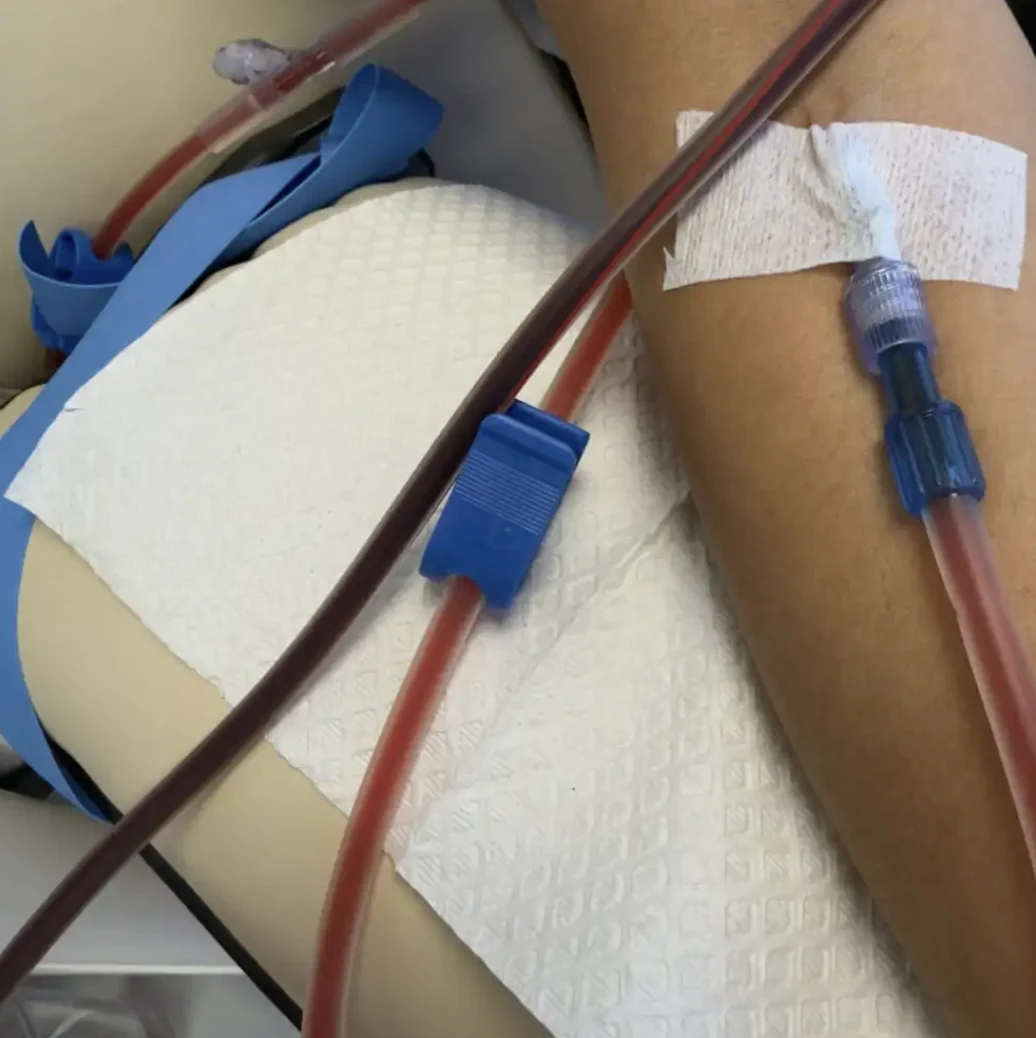
How to Choose EBO3 Therapy With Confidence
Learn how to choose EBO3 therapy with physician-guided screening, clear protocol standards, and personalized planning for recovery and cellular wellness.
Read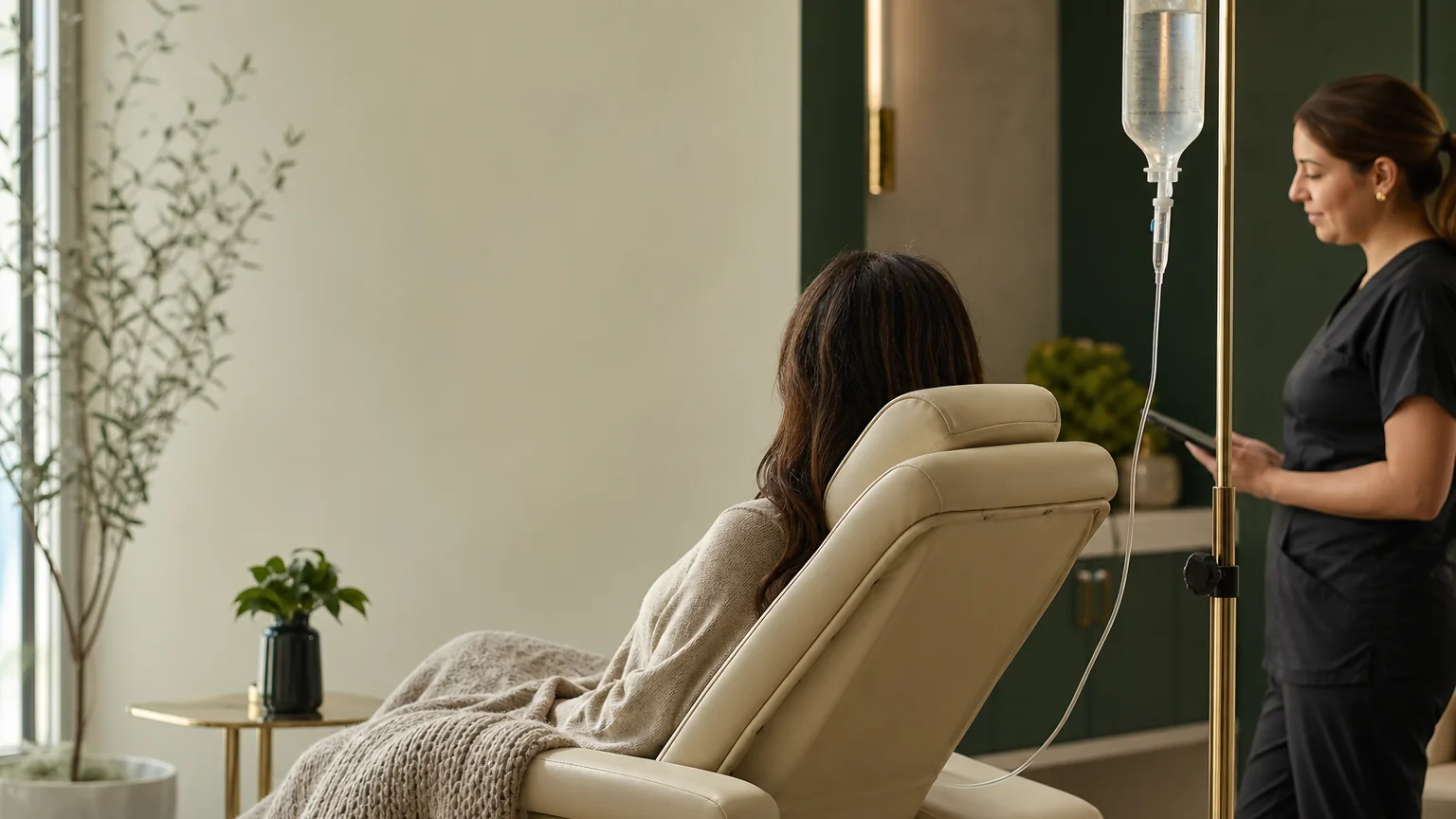
Methylene Blue Wellness Protocols for Longevity
Methylene blue wellness protocols require more than an IV. Learn how physician-guided screening, dosing, timing, and follow-up inform personalized care.
ReadMedical Disclaimer: Information on this website is for educational purposes only and is not intended to diagnose, treat, cure, or prevent any disease. It is not a substitute for medical advice. Individual results vary. Consult a qualified healthcare provider before beginning any treatment.