Quick answer
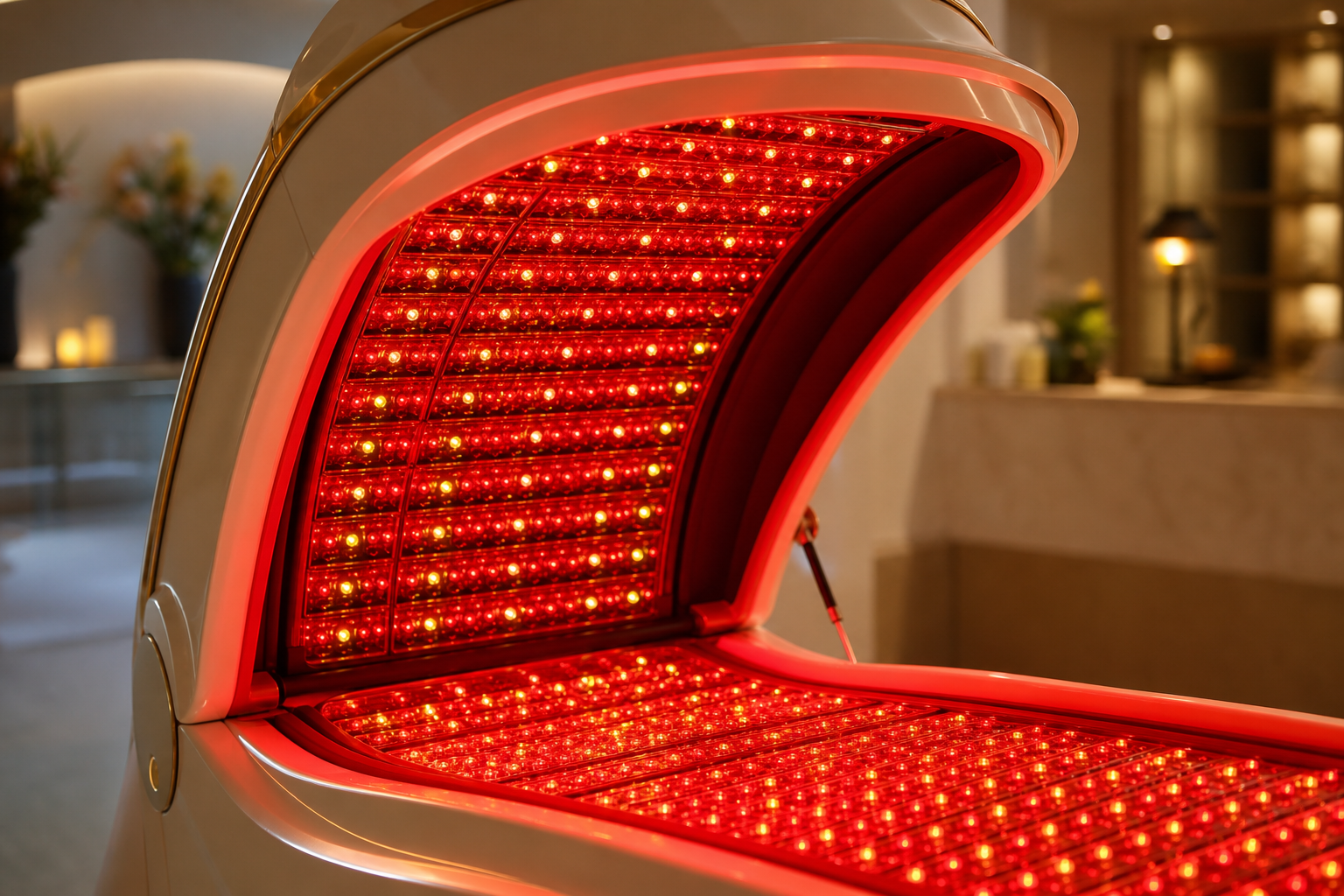
Photobiomodulation (PBM) is the broad term for low-level light therapy. Red light and near-infrared light are specific wavelength ranges used within PBM. Clinical-grade panels deliver these wavelengths in sessions that typically run 10 to 20 minutes.
Terminology in plain English
Photobiomodulation describes the use of specific wavelengths of light to interact with tissue at a cellular level. Red light and near-infrared light are the two wavelength categories most commonly referenced in clinical and wellness contexts.
What the modality is used to support
In a wellness context, photobiomodulation is used to support recovery, skin quality, and general well-being. It is not a treatment for any specific disease, and outcomes vary by individual and protocol.
What a session is actually like
Sessions are short, non-invasive, and comfortable. You stand or sit in front of a full-body panel for 10 to 20 minutes, with eye protection provided. Many clients pair a Red Light session with another therapy on the same visit.
Frequently asked
- Is photobiomodulation the same as red light therapy?
- Photobiomodulation is the broader term. Red light and near-infrared are specific wavelength ranges used within it.
- How long is a session?
- Typically 10 to 20 minutes.
- Is it safe for everyone?
- Most adults tolerate sessions well. We screen for contraindications, including photosensitizing medications, before sessions.
Related services
Ready to talk with our team?
Book a complimentary consultation at our Rancho Palos Verdes or West Palm Beach clinic.
Request a ConsultationRelated reading
More from the EBO2 Therapy and Wellness library.
HBOT vs Oxygen Chamber Therapy: What to Know Before a Consultation
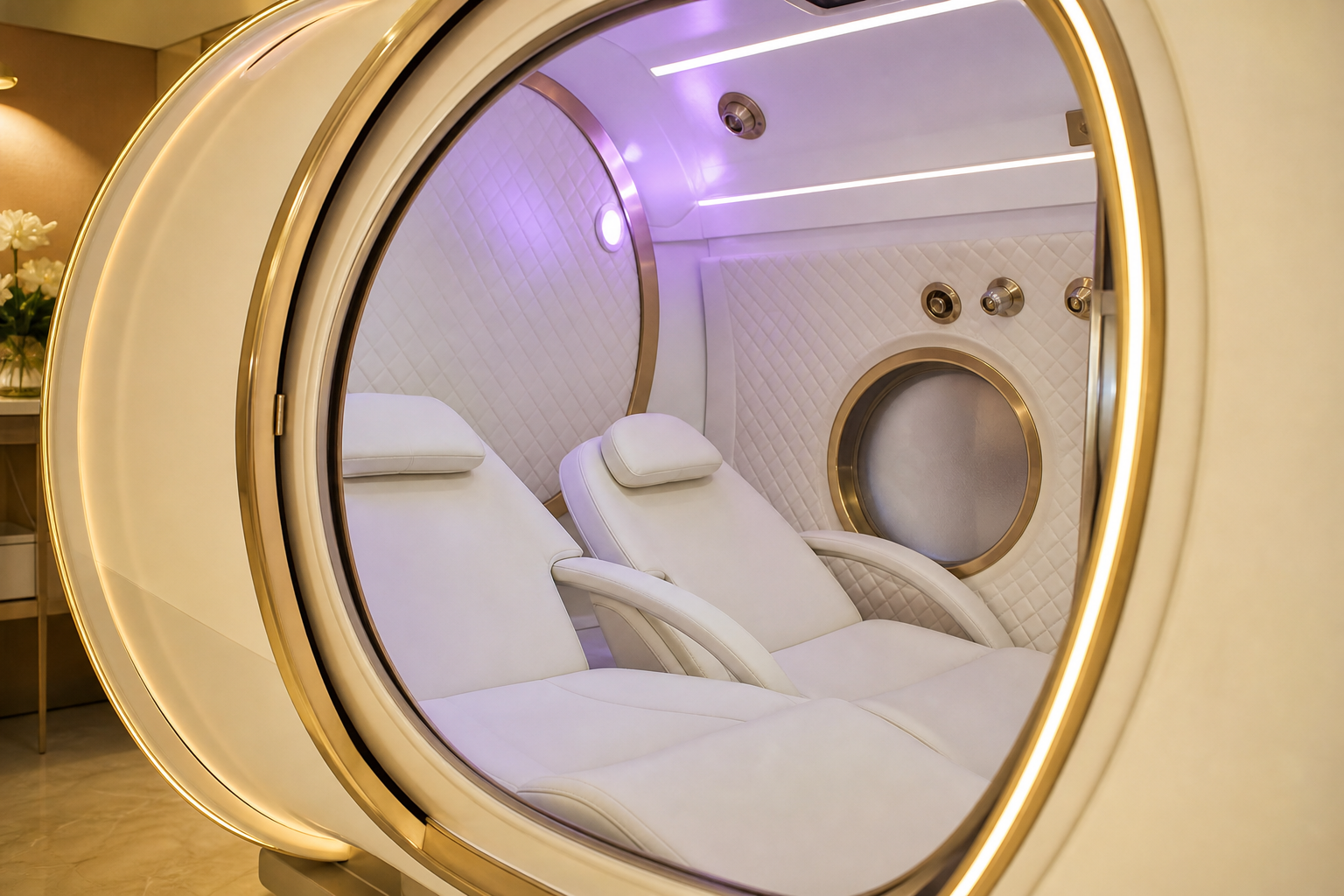
Not all oxygen chambers are equivalent. Here is how to read the differences between hard-shell HBOT and lower-pressure consumer alternatives.
Read
IV Therapy Guide: NAD+, Glutathione, Methylene Blue, and Recovery Protocols
A direct, jargon-free guide to NAD+, glutathione, methylene blue, and recovery-focused IV protocols — and how to think about which one fits your goals.
Read
EBO3 Therapy vs. 10-Pass Ozone Therapy: A Side-by-Side Comparison
How EBO3 compares to traditional 10-pass ozone protocols — including continuous filtration, oxygenation capacity, and what each is best suited for.
ReadPhotobiomodulation outcomes depend on wavelength, dose, device, and protocol. Even where consensus documents describe potential mechanisms, whole-body PBM evidence for performance and recovery remains limited and is not established as a proven wellness intervention.
- Evidence-based consensus on photobiomodulation therapy (PMID 40253006)
Peer-reviewed evidence-based consensus (PMID 40253006)
Evidence-based consensus statement on photobiomodulation emphasizing that outcomes are highly wavelength-, dose-, and protocol-specific and cannot be generalized across devices or indications.
- Systematic review of whole-body photobiomodulation therapy (PMID 39883205)
Peer-reviewed systematic review (PMID 39883205)
Systematic review concluding that included whole-body PBM studies do not demonstrate benefit for exercise performance or recovery; evidence remains limited.
References describe general evidence, safety, or regulatory context. They do not establish an individual benefit for any specific person, and they do not validate EBO2's proprietary clinic protocols.
Medical Disclaimer: This article is educational and is not a substitute for medical advice, diagnosis, or treatment. Programs are physician-guided, consultation-based, and personalized after screening. Results vary.