For clients considering advanced oxygenation-focused care, understanding the session itself matters as much as understanding the name. Searches for how ebo2 therapy sessions work often refer to an extracorporeal blood-based procedure, sometimes called EBOO Therapy, EBO Therapy, or EBO treatment. At EBO2 Therapy and Wellness, the primary service is EBO3 Therapy, delivered through a physician-supervised, consultation-based approach that prioritizes appropriate screening, careful monitoring, and personalized planning.
Considering EBO2 Therapy? Explore our full EBO2 Therapy program at EBO2 Therapy and Wellness — learn more →
Quick Answer: How EBO2 Therapy Sessions Work
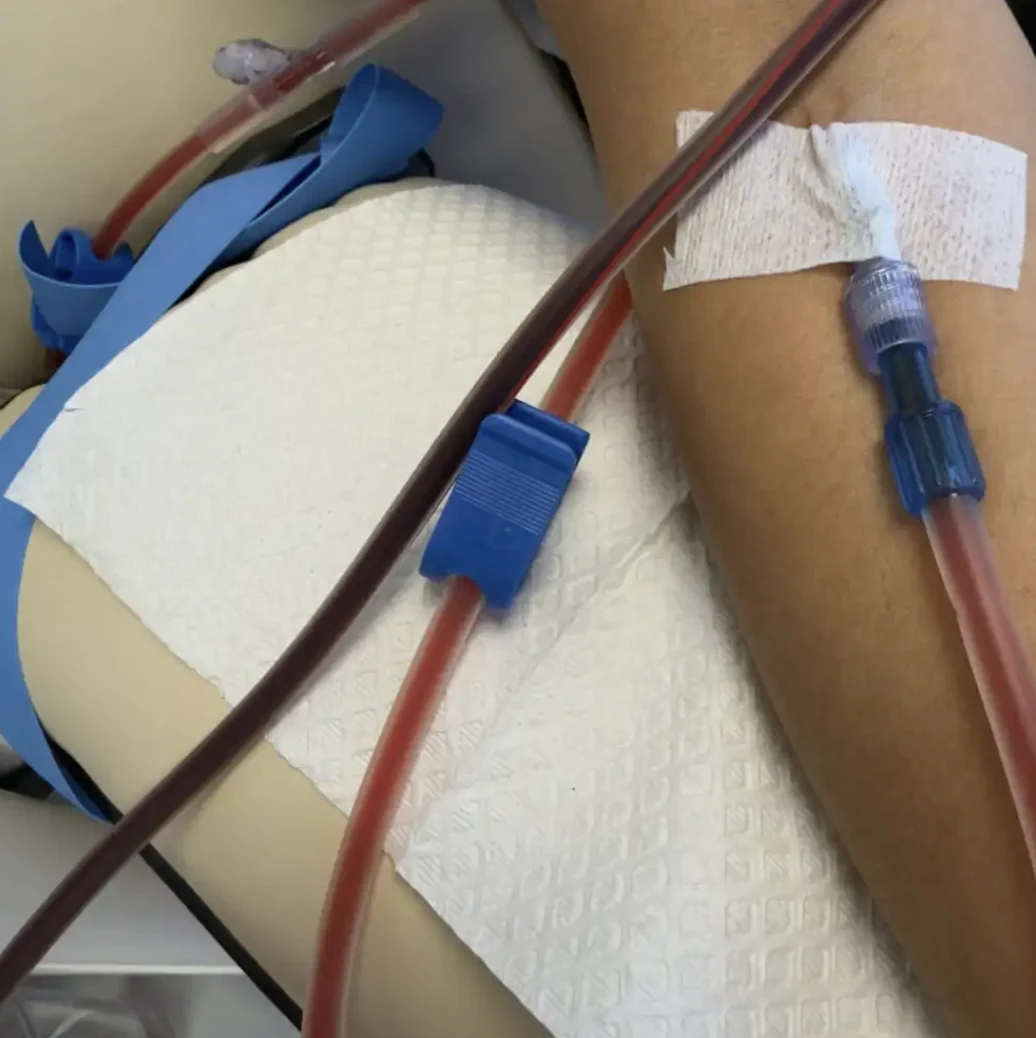
An EBO2-style session generally involves drawing blood through IV access into a closed extracorporeal circuit, where it is processed according to the provider-guided protocol before being returned to the body. Depending on the system and clinical plan, this may involve controlled exposure to an oxygen-ozone mixture and filtration components designed for the specific procedure.
The experience is not comparable to a standard IV drip. It is a more involved, monitored appointment that begins with eligibility screening and continues with close observation throughout the session. Exact steps, timing, and accompanying wellness therapies depend on the device used, the client’s health history, vascular access, laboratory considerations, and the goals established during a private consultation.
EBO2 Therapy, EBOO Therapy, and EBO3 Therapy: Why Names Differ
EBO2 Therapy is a commonly used search term, but terminology in this category is not always consistent. You may also see EBOO Therapy, EBO Therapy, extracorporeal blood oxygenation and ozonation, or related descriptions. These labels can refer to approaches that use an external circuit to process blood during a supervised treatment session.
EBO3 Therapy is the main official oxygenation service offered by EBO2 Therapy and Wellness. Rather than assuming that similarly named services are identical, a quality consultation should clarify the precise protocol, equipment, intended wellness role, and whether the service is appropriate for you.
That distinction is meaningful. An advanced therapy should never be selected solely because of a name, a social-media claim, or a one-size-fits-all package. The value of concierge care is in matching the protocol to the person, not forcing the person into a preset protocol.
What Happens Before an EBO3 Therapy Session
The first phase is clinical screening. Before a provider recommends an EBO3 or EBO2-style protocol, they review your health history, current medications and supplements, prior procedures, wellness goals, and relevant laboratory information when indicated. Screening required does not mean that every interested client will qualify. It means suitability is assessed before a session is scheduled.
This conversation may include questions about blood-related conditions, anemia, bleeding or clotting history, medication use, vascular access, recent illness, hydration, and other factors that can influence procedural planning. A provider may request additional information, recommend a different service, or advise against proceeding when the risk-benefit profile does not support the session.
For a performance-focused client, the conversation may center on training load, travel demands, recovery patterns, and sleep. For a longevity-focused client, it may be part of a broader cellular wellness plan that considers nutrition, biomarkers, IV therapy, red light therapy, hyperbaric oxygen therapy, or other appropriate modalities. The objective is thoughtful coordination, not adding therapies for the sake of intensity.
The Session: From IV Access to Monitored Return
Once the plan is confirmed, the client is settled into a private clinical setting. A qualified clinician establishes IV access and prepares the extracorporeal circuit using the appropriate sterile, single-use components for the protocol. Because blood is temporarily circulating outside the body, proper setup, trained personnel, and continuous attention are central to the experience.
Blood moves from the IV line into the system in carefully controlled increments rather than all at once. In an EBO3 Therapy protocol, the blood is processed through the designated apparatus according to the physician-guided plan. The specific sequence may include oxygen-ozone exposure and filtration features, but the details vary by technology and protocol. It is more accurate to ask what a particular session includes than to assume every EBOO or EBO2 treatment follows the same process.
The processed blood is then returned through the circuit while the care team monitors the client. Throughout the appointment, staff may observe comfort, IV-site condition, blood pressure, pulse, and other appropriate clinical markers. The session length can vary. It is generally longer and more involved than a conventional wellness infusion, especially when preparation, access, monitoring, and post-session observation are included.
Many clients use the appointment as quiet, protected time. They may rest, listen to music, or work lightly if their provider permits it. The atmosphere should feel composed and private, but it remains a medical procedure environment. Staff should be immediately available, and clients should communicate any discomfort, dizziness, chills, IV-site pain, or change in how they feel.
What Clients May Feel During and Afterward
Individual experiences vary. Some clients report feeling relaxed during a provider-guided oxygenation-focused session, while others notice very little during the procedure itself. Sensations can be influenced by hydration, baseline energy, venous access, the pace of the protocol, and anxiety around needles or medical procedures.
Afterward, a client may be advised to hydrate, eat normally if appropriate, avoid strenuous activity for the remainder of the day, and pay attention to how they feel. Some people choose to schedule sessions away from demanding travel, major athletic events, or high-pressure work obligations until they understand their own response.
It is reasonable to ask about expected downtime, training modifications, and whether a same-day driver is advisable for your situation. A premium wellness plan should accommodate real life, whether that means an executive calendar, an athletic training block, or recovery after frequent travel.
Safety, Screening, and Responsible Expectations
EBO3 Therapy is not appropriate for everyone, and no responsible practice should present it as a cure, a disease treatment, or a guaranteed shortcut to better health. The procedure has potential considerations related to IV access, blood handling, anticoagulation protocols, fluid balance, and individual health factors. Bruising, discomfort at the access site, lightheadedness, and other procedural reactions can occur. More serious concerns require trained clinical oversight and a plan for prompt response.
Clients should disclose all medications, supplements, allergies, medical history, and recent changes in health. Do not stop prescribed medication or substitute an advanced wellness therapy for medical care directed by your physician. If a provider identifies a concern, the right next step may be additional evaluation, a modified protocol, or choosing another recovery-support option.
Results vary. EBO3 Therapy may be incorporated to support oxygenation-focused wellness, recovery support, cellular wellness, and detox pathway support, but outcomes depend on the individual and the broader context of sleep, nutrition, movement, stress, medical history, and consistency of care.
How EBO3 Fits Into a Personalized Wellness Plan
An EBO3 session is often considered as one component of a broader longevity-focused strategy. For some clients, a provider may discuss pairing appointments over time with IV Therapy, NAD+ Therapy, glutathione support, Hyperbaric Oxygen Therapy, near-infrared photobiomodulation, or a CTOI Cellular Optimization Report. Others may be better served by a simpler starting point, such as targeted IV support and foundational lifestyle planning.
More is not automatically better. Combining advanced wellness therapies requires attention to timing, tolerance, goals, and medical appropriateness. A thoughtful protocol may prioritize recovery before performance, or establish baseline information before introducing more complex services.
Where Private Consultations Are Available
EBO2 Therapy and Wellness serves clients through private concierge locations in Rancho Palos Verdes, California, and West Palm Beach, Florida. Clients from the South Bay, greater Los Angeles, Orange County, Palm Beach, Jupiter, Boca Raton, and surrounding communities often seek a more discreet, provider-guided setting than a conventional wellness lounge.
Frequently Asked Questions
Is EBO2 Therapy the same as EBO3 Therapy?
Not necessarily. EBO2, EBOO, and EBO Therapy are commonly used search terms for related extracorporeal oxygenation and ozonation approaches. EBO3 Therapy is the primary official service name used by EBO2 Therapy and Wellness. Your consultation should clarify the exact protocol being considered.
How long does an EBO3 Therapy appointment take?
Timing varies based on screening, IV access, the selected protocol, monitoring needs, and post-session observation. Your provider can give a more precise appointment window after reviewing your circumstances.
Who may be interested in an EBO3 consultation?
Health-conscious adults seeking provider-guided recovery support, oxygenation-focused wellness, cellular vitality, performance optimization, or longevity planning may wish to explore whether they qualify. Screening is required, and results vary.
A well-designed EBO3 experience should leave you with more than an appointment on the calendar. It should provide a clear understanding of what is being done, why it may fit your goals, what alternatives exist, and how your provider will guide the next step.
Ready to talk with our team?
Book a complimentary consultation at our Rancho Palos Verdes or West Palm Beach clinic.
Request a ConsultationRelated services
EBO3 is a clinic-branded wellness protocol. These references describe ozone's regulatory context and the state of the published evidence; they do not establish EBO3 as a treatment for any disease, and ozone therapy is not FDA-approved. Published EBOO/ozone literature is heterogeneous, largely preliminary or uncontrolled, and mostly of low or very-low certainty.
- 21 CFR § 801.415 — Federal regulation on ozone (labeling context)
eCFR (U.S. Electronic Code of Federal Regulations)
Federal labeling regulation for medical devices generating ozone. Regulatory context only; does not indicate FDA approval of ozone as a therapy.
- Bocci V. Ozone as Janus: this controversial gas can be either toxic or medically useful
Mediators of Inflammation (PMID 16156950)
Narrative review discussing extracorporeal blood oxygenation with ozone (EBOO) and related ozone modalities. Evidence at the time was preliminary and largely uncontrolled — insufficient to validate EBOO for any disease indication.
- Umbrella review of ozone therapy across clinical indications
Medical Sciences (DOI 10.3390/medsci14020289)
Umbrella review of systematic reviews of ozone therapy across multiple indications. Findings are heterogeneous with most conclusions rated low or very-low certainty; overall evidence remains insufficient to establish general clinical efficacy.
- Smith NL et al. Ozone therapy: an overview of pharmacodynamics, current research, and clinical utility
Medical Gas Research (PMID 29152215)
Peer-reviewed overview of ozone therapy noting that the current clinical evidence base is heterogeneous and further rigorous study is needed.
References describe general evidence, safety, or regulatory context. They do not establish an individual benefit for any specific person, and they do not validate EBO2's proprietary clinic protocols.
Related reading
More from the EBO2 Therapy and Wellness library.

Methylene Blue Wellness Protocols for Longevity
Methylene blue wellness protocols require more than an IV. Learn how physician-guided screening, dosing, timing, and follow-up inform personalized care.
Read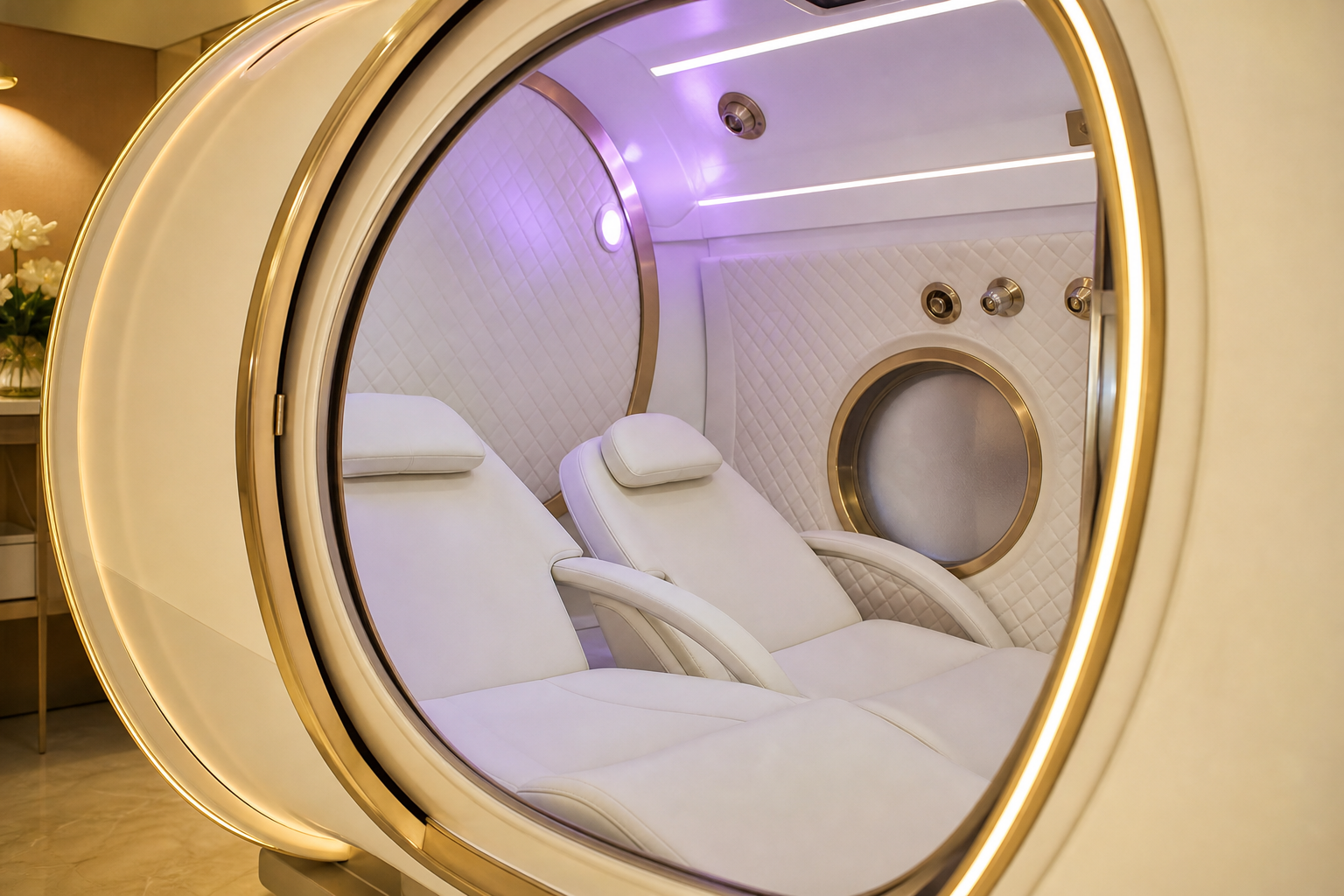
West Palm Beach HBOT for Personalized Recovery
West Palm Beach HBOT with physician-supervised, personalized care for oxygenation support, recovery, performance, and longevity-focused wellness planning.
ReadMedical Detox Wellness Therapies Explained
Medical detox wellness therapies: learn how physician-guided oxygenation, IV, recovery, and cellular wellness protocols are personalized with screening required.
ReadMedical Disclaimer: Information on this website is for educational purposes only and is not intended to diagnose, treat, cure, or prevent any disease. It is not a substitute for medical advice. Individual results vary. Consult a qualified healthcare provider before beginning any treatment.