A long-haul flight can leave even highly conditioned travelers feeling flat: sleep timing is disrupted, hydration habits change, meals become irregular, and hours of immobility can make the body feel heavy and slow. So, does EBO3 support travel recovery? It may be a considered option for appropriate clients seeking provider-guided, oxygenation-focused recovery support after travel, but it is not a substitute for sleep, hydration, movement, or medical evaluation when symptoms are concerning.
Quick answer: can EBO3 support travel recovery?
EBO3 Therapy may support travel recovery as part of a personalized cellular wellness protocol. The therapy is designed for clients interested in advanced oxygenation support and recovery-focused care following demanding travel, high-performance schedules, or periods of physical strain.
The right answer is individual. A short domestic flight followed by one poor night of sleep calls for a different approach than repeated international travel, substantial time-zone changes, inadequate hydration, or a schedule that requires immediate performance on arrival. A private consultation helps determine whether EBO3 Therapy fits the client’s goals, health history, medications, and travel timeline.
EBO3 should not be positioned as a cure for jet lag, an answer to every post-flight symptom, or a way to bypass fundamental recovery habits. Results vary, and the most thoughtful plans pair advanced wellness therapies with practical recovery measures that the body still needs: quality sleep, fluids, nutrition, circulation-supporting movement, and time to reset.
What is EBO3 Therapy also called?
EBO3 Therapy is an advanced, physician-supervised oxygenation-focused therapy performed in a clinical setting. In search, it may also be described as EBOO Therapy, EBO2 Therapy, EBO Therapy, or an EBO treatment. These terms are often used interchangeably, although the protocol, equipment, and clinical process should always be clarified during consultation.
The experience is not comparable to a standard hydration appointment at an IV bar. EBO3 Therapy involves a more involved provider-guided process and requires appropriate screening. At EBO2 Therapy and Wellness, care is consultation-based, private, and designed around the individual rather than sold as a one-size-fits-all post-flight reset.
Why travel can create a recovery gap
Travel fatigue is rarely caused by one issue. Crossing time zones can disturb circadian rhythm and sleep quality. Dry cabin air, inconsistent water intake, alcohol, caffeine, restaurant meals, and prolonged sitting can compound the experience. For executives, athletes, entrepreneurs, and frequent travelers, the pressure to perform before the body has recalibrated can make that gap more noticeable.
This is where a personalized recovery strategy can be useful. Some clients are less focused on a single symptom and more interested in arriving prepared, maintaining energy support during an intensive schedule, and giving their normal wellness routines a structured place after returning home.
EBO3 Therapy may be considered within that broader context. Its role is not to erase the physiological effects of travel overnight. Rather, for a screened and appropriate client, it may complement a recovery plan intended to support oxygenation-focused wellness, cellular vitality, and the body’s natural recovery processes.
When timing matters for post-travel care
The best timing depends on the reason for travel and the client’s baseline. Some people want to plan wellness care before a major trip because they anticipate a demanding itinerary. Others prefer to be seen after returning, once they have rested and can clearly describe how they feel. There is no universal schedule that suits every traveler.
For example, a client arriving home from an overseas business trip may prioritize rest and rehydration first, then discuss an EBO3 session once the care team has reviewed their status. A high-performing client with repeated travel commitments may benefit more from a longer-term protocol that considers travel frequency, training demands, sleep consistency, and other wellness services.
A responsible provider will not promise that EBO3 Therapy will make a person feel immediately normal after a red-eye flight. Post-travel recovery is multifactorial. The value of a concierge model is the ability to make recommendations based on the full picture rather than applying a standard protocol to every traveler.
What an EBO3 travel recovery consultation may include
A travel-recovery discussion should begin with context. Your provider may ask about recent flights, time zones crossed, sleep, hydration, alcohol intake, activity level, current symptoms, medical history, and medications. They may also discuss your near-term goals, such as returning to training, preparing for a presentation, or restoring a sustainable routine after a trip.
If EBO3 Therapy is appropriate, the team explains the procedure, anticipated appointment duration, and what preparation may be recommended. The experience is monitored and clinical, with attention to comfort and individualized planning. Clients should be prepared to share accurate health information and ask direct questions about how the proposed protocol relates to their specific travel recovery goals.
A comprehensive plan may also incorporate foundational guidance around hydration, protein-forward meals, light exposure, strategic sleep timing, and gentle movement. Those measures may sound simple, but they are often the difference between chasing travel fatigue and genuinely recovering from it.
Safety, screening, and when to seek medical care
Screening is required before EBO3 Therapy. Not every client is a candidate, and candidacy can change based on current health status, medical history, medications, laboratory considerations, and the nature of recent travel. Physician supervision and provider-guided screening are central to responsible care.
Extended travel also carries risks that should never be dismissed as ordinary fatigue. New chest pain, significant shortness of breath, fainting, confusion, coughing blood, or new one-sided leg pain or swelling require prompt medical assessment. These symptoms should not be managed through wellness therapy or self-directed recovery protocols.
Clients should also disclose recent illness, procedures, medication changes, anticoagulant use, unusual bleeding or bruising, and any symptoms that feel outside their normal post-flight pattern. The goal is not simply to approve a service. It is to make a sound clinical decision about whether to proceed, defer, modify the plan, or recommend another level of care.
EBO3 and complementary travel recovery therapies
For some clients, EBO3 Therapy is one element of a broader longevity-focused plan. IV Therapy may be considered when a provider identifies a need for tailored hydration or nutrient support. NAD+ Therapy may suit certain clients focused on energy support and demanding schedules, while glutathione support may be discussed within a personalized wellness plan.
Hyperbaric Oxygen Therapy, also called HBOT or oxygen chamber therapy, may be considered separately for clients interested in oxygenation-focused wellness support. Red light therapy, near-infrared therapy, and photobiomodulation may also fit a recovery-oriented routine, particularly when a traveler is managing training demands or disrupted daily rhythms.
These services are not interchangeable, and combining therapies is not automatically better. The appropriate choice depends on goals, timing, screening, tolerance, and whether a client benefits more from an immediate recovery session or a structured protocol over several weeks.
EBO3 Therapy for frequent travelers in California and Florida
Frequent travelers seeking private, physician-supervised wellness care can request a consultation at EBO2 Therapy and Wellness in Rancho Palos Verdes, California, or West Palm Beach, Florida. The practice serves clients who travel regularly through Southern California, Palm Beach County, and beyond, including those balancing international work, athletic commitments, family travel, and longevity planning.
For travelers, convenience matters, but clinical judgment matters more. A high-touch consultation allows the care team to consider whether EBO3 Therapy belongs in a recovery plan and how to time it around travel rather than offering a generic airport-to-appointment solution.
Frequently asked questions
Is EBO3 Therapy a jet lag treatment?
No. EBO3 Therapy is not a treatment for jet lag. It may be considered as part of a personalized, oxygenation-focused wellness plan for appropriate clients seeking recovery support after travel. Sleep timing, daylight exposure, meals, hydration, and movement remain central to adjusting to a new time zone.
Can I schedule EBO3 immediately after a flight?
Possibly, but only after screening and provider review. Your travel length, current symptoms, hydration status, medical history, and overall condition should guide timing. If you have concerning symptoms after travel, seek medical evaluation rather than scheduling a wellness service.
Is EBO3 better than IV Therapy for travel recovery?
Neither is universally better. IV Therapy and EBO3 Therapy serve different roles and involve different clinical considerations. A consultation can determine whether either approach, or neither, is appropriate for your goals and circumstances.
The most useful travel recovery plan is the one that respects the body’s need for restoration while matching the realities of your schedule. If travel has become a recurring strain rather than an occasional inconvenience, a private, provider-guided conversation can help turn recovery into a more intentional part of your longevity strategy.
Ready to talk with our team?
Book a complimentary consultation at our Rancho Palos Verdes or West Palm Beach clinic.
Request a ConsultationRelated services
EBO3 is a clinic-branded wellness protocol. These references describe ozone's regulatory context and the state of the published evidence; they do not establish EBO3 as a treatment for any disease, and ozone therapy is not FDA-approved. Published EBOO/ozone literature is heterogeneous, largely preliminary or uncontrolled, and mostly of low or very-low certainty.
- 21 CFR § 801.415 — Federal regulation on ozone (labeling context)
eCFR (U.S. Electronic Code of Federal Regulations)
Federal labeling regulation for medical devices generating ozone. Regulatory context only; does not indicate FDA approval of ozone as a therapy.
- Bocci V. Ozone as Janus: this controversial gas can be either toxic or medically useful
Mediators of Inflammation (PMID 16156950)
Narrative review discussing extracorporeal blood oxygenation with ozone (EBOO) and related ozone modalities. Evidence at the time was preliminary and largely uncontrolled — insufficient to validate EBOO for any disease indication.
- Umbrella review of ozone therapy across clinical indications
Medical Sciences (DOI 10.3390/medsci14020289)
Umbrella review of systematic reviews of ozone therapy across multiple indications. Findings are heterogeneous with most conclusions rated low or very-low certainty; overall evidence remains insufficient to establish general clinical efficacy.
- Smith NL et al. Ozone therapy: an overview of pharmacodynamics, current research, and clinical utility
Medical Gas Research (PMID 29152215)
Peer-reviewed overview of ozone therapy noting that the current clinical evidence base is heterogeneous and further rigorous study is needed.
References describe general evidence, safety, or regulatory context. They do not establish an individual benefit for any specific person, and they do not validate EBO2's proprietary clinic protocols.
Related reading
More from the EBO2 Therapy and Wellness library.
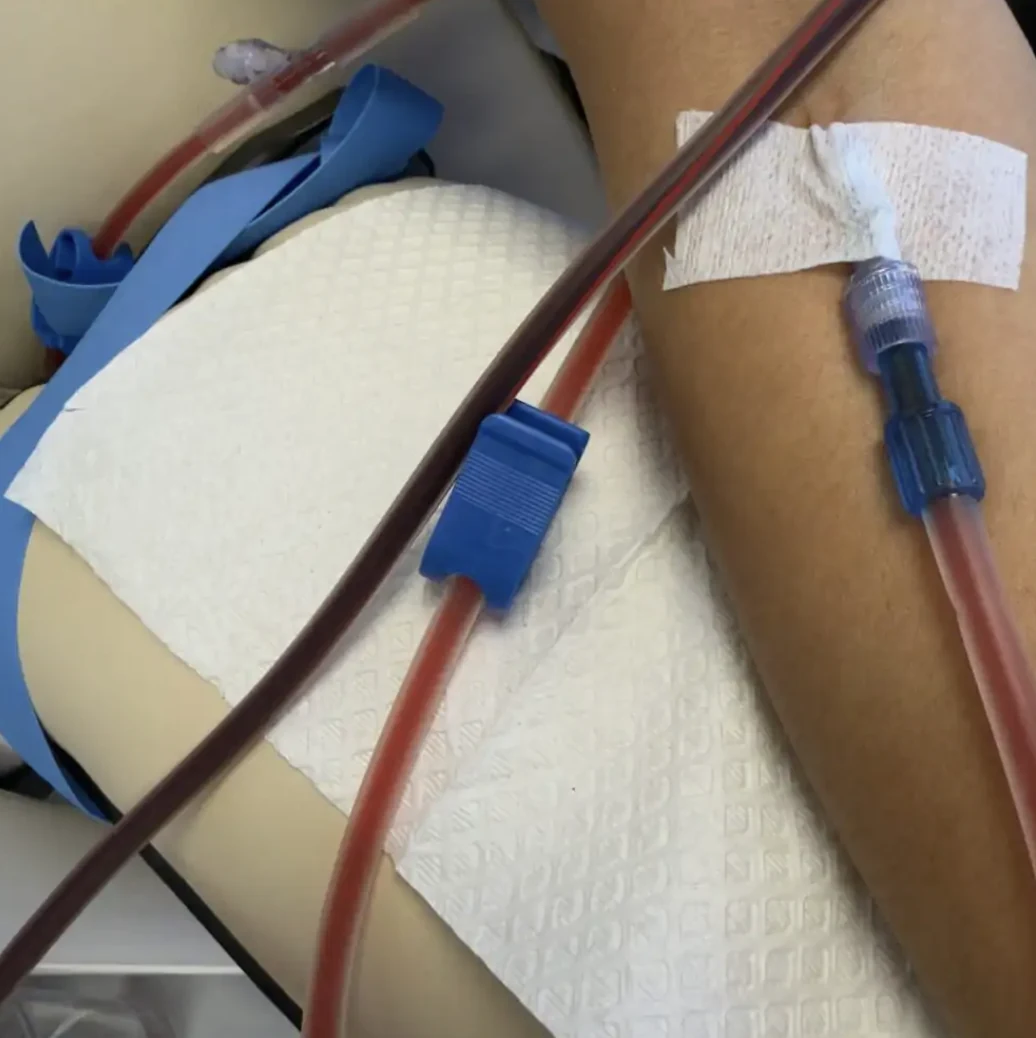
EBO3 Consultation Planning Guide for Private Care
Use this EBO3 consultation planning guide to understand screening, protocol design, visit expectations, and physician-supervised concierge care standards.
Read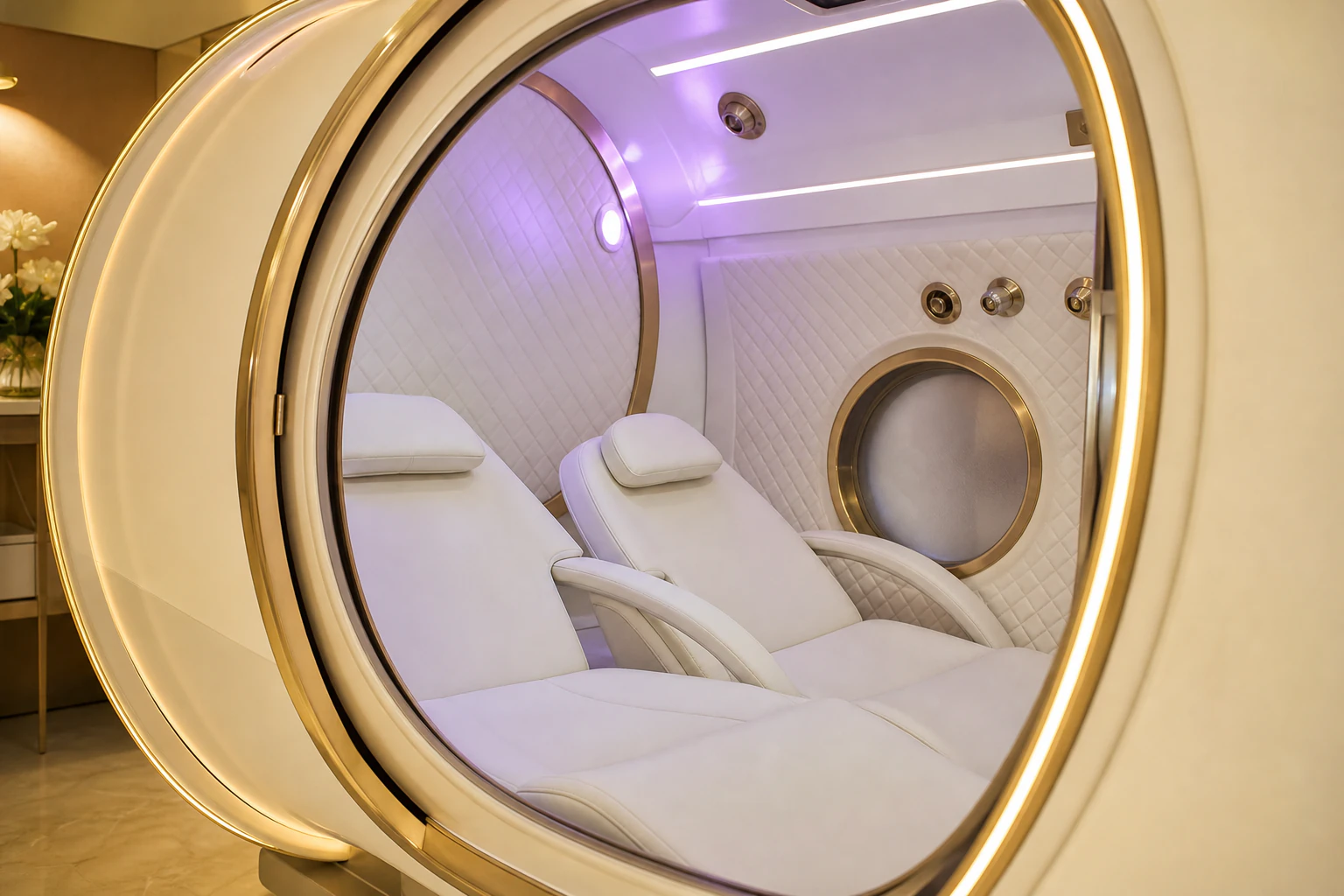
Hyperbaric Oxygen Therapy for Recovery Support
Hyperbaric Oxygen Therapy delivers pressurized oxygen in a clinical chamber. Learn who may benefit, what sessions involve, and why screening matters most.
Read
What Performance Medicine Looks Like in Practice
Performance medicine pairs physician-guided testing and personalized wellness protocols to support recovery, energy, resilience, and healthy aging over time
ReadMedical Disclaimer: Information on this website is for educational purposes only and is not intended to diagnose, treat, cure, or prevent any disease. It is not a substitute for medical advice. Individual results vary. Consult a qualified healthcare provider before beginning any treatment.