For clients comparing eboo therapy vs ozone therapy, the central difference is not simply the presence of ozone. It is the delivery method, the level of blood processing involved, the duration of the session, and the degree of clinical oversight required. At EBO2 Therapy and Wellness, EBO3 Therapy and ozone therapy are approached as distinct, consultation-based options within a personalized cellular wellness plan - never as interchangeable services or one-size-fits-all solutions.
Considering Ozone Therapy? Explore our full Ozone Therapy program at EBO2 Therapy and Wellness — learn more →
Quick Answer: How EBO3 Therapy and Ozone Therapy Differ
Ozone therapy is a broad term for protocols that use a precisely prepared oxygen-ozone mixture in a provider-directed setting. Depending on the protocol and the individual's screening, it may involve a limited amount of blood being withdrawn, exposed to the mixture, and returned through an IV.
EBO3 Therapy, also searched as EBOO Therapy, EBO2 Therapy, EBO Therapy, or EBO treatment, is a more involved extracorporeal process. Blood circulates through specialized equipment outside the body in a closed clinical circuit, where it is exposed to an oxygen-ozone mixture and filtered before being returned. This generally makes EBO3 Therapy a longer, more equipment-intensive experience than conventional ozone protocols.
Neither option is a cure, disease treatment, or substitute for appropriate medical diagnosis and care. The appropriate choice depends on health history, medications, goals, tolerance, laboratory considerations when applicable, and the provider's assessment. Screening is required, and results vary.
Also Known As: EBOO, EBO2, EBO, and EBO3 Therapy
Search terminology around these services can be confusing. EBOO Therapy commonly refers to extracorporeal blood oxygenation and ozonation, while EBO2 Therapy and EBO Therapy are frequently used as alternate search terms. At EBO2 Therapy and Wellness, the primary service name is EBO3 Therapy.
The terminology can vary between practices because equipment, circulation methods, filtration components, session length, and adjunctive protocols may differ. For that reason, a meaningful comparison should go beyond the label. Ask how the procedure is performed, who supervises it, what screening is completed, and what the protocol is designed to support for you.
What Is Ozone Therapy?
In a clinical wellness context, ozone therapy often refers to major autohemotherapy. A provider withdraws a designated amount of blood, combines it with a prescribed oxygen-ozone mixture in a controlled setting, then returns the blood through an IV. The process is typically completed in cycles during one appointment rather than through continuous extracorporeal circulation.
Clients may explore ozone therapy as part of a broader plan for oxygenation-focused wellness, recovery support, cellular vitality, or resilience during periods of high physical and professional demand. The appeal is often its relative simplicity compared with more extensive blood-processing modalities.
That simplicity is also the key trade-off. A conventional ozone session is generally more limited in the total volume of blood addressed at one time and does not necessarily include the same filtration approach or extended circulation used during an EBO3 session. It may be appropriate for some clients, but it is not automatically the right starting point for everyone.
What Is EBO3 Therapy?
EBO3 Therapy uses an extracorporeal circuit, meaning blood is circulated through specialized medical equipment outside the body and returned during the same session. In a carefully monitored protocol, the process may combine oxygen-ozone exposure with filtration as blood moves through the system.
This format is designed for clients seeking a more comprehensive oxygenation-focused wellness experience than a standard autohemotherapy session may offer. A session usually requires more time, more technical preparation, and closer attention to venous access, hydration status, comfort, and individual response.
EBO3 Therapy is often considered by clients focused on demanding travel schedules, athletic recovery, performance optimization, longevity planning, or comprehensive detox pathway support. Those are wellness goals, not promised outcomes. A provider-guided plan may also include IV therapy, glutathione support, NAD+ therapy, hyperbaric oxygen therapy, red light therapy, or other advanced wellness therapies when clinically appropriate.
EBOO Therapy vs Ozone Therapy: The Practical Differences
The most useful way to compare EBOO therapy vs ozone therapy is by scope. Conventional ozone therapy is usually a shorter blood-based protocol with a defined volume processed in repeated cycles. EBO3 Therapy is a continuous extracorporeal process that can involve a larger overall volume of circulation over a longer appointment.
The equipment and clinical workflow differ as well. Ozone therapy generally requires IV access and controlled handling of blood in a closed system. EBO3 Therapy requires a specialized circuit, filtration components, ongoing monitoring, and providers trained in the specific workflow. That added complexity is one reason EBO3 should be considered only after a private consultation and appropriate screening.
Client experience can differ too. Some clients prefer the shorter appointment and straightforward nature of ozone therapy. Others are specifically looking for the more comprehensive format of EBO3 Therapy and are comfortable reserving more time for a physician-supervised session. The better option is not necessarily the more intensive one. It is the protocol that fits the client's health profile, priorities, schedule, and care plan.
Cost, availability, and recovery logistics may also factor into a decision. A concierge clinic should explain these practical considerations clearly before treatment, rather than positioning any modality as universally necessary.
What to Expect at a Private Consultation
A quality consultation begins with more than selecting a service from a menu. The provider should review your wellness goals, relevant medical history, current medications and supplements, prior reactions to IV-based therapies, hydration patterns, travel demands, and recovery expectations. Depending on the situation, additional review or laboratory information may be requested.
If EBO3 Therapy or ozone therapy is appropriate to consider, your team should explain the session format, anticipated time commitment, IV access requirements, possible sensations, aftercare guidance, and circumstances that may require postponement or referral to another clinician. Clients should arrive prepared to discuss health changes honestly and should not begin a session while acutely unwell without appropriate medical evaluation.
A personalized protocol may be intentionally conservative at first. For some clients, this means beginning with foundational hydration, nutrient IV therapy, recovery support, or other wellness services before considering a more involved modality. For others, EBO3 Therapy may fit directly into an established longevity-focused plan. Individualization is not an upgrade. It is the standard of responsible care.
Safety, Screening, and Clinical Boundaries
Because both services involve blood handling and IV access, they require careful protocols, trained personnel, appropriate equipment, and individualized screening. A provider should evaluate factors such as relevant cardiovascular history, bleeding or clotting considerations, anemia or blood-count concerns, medication use, vein quality, pregnancy status, active symptoms, and the ability to tolerate the planned session.
There are situations where a client may not be a candidate, may need additional clearance, or may be better served by another approach. This is why physician-supervised, consultation-based care matters. No wellness therapy should be used to delay evaluation of concerning symptoms or replace care from your primary physician or specialist.
Clients should also be cautious of language suggesting that a service cleans the blood, removes all toxins, eliminates pathogens, or aims for recovery. Those claims are not medically responsible. EBO3 Therapy and ozone therapy may be incorporated into a thoughtfully designed wellness plan, but outcomes are personal and results vary.
Choosing the Right Fit for Your Wellness Plan
For a client seeking a focused, shorter oxygen-ozone protocol, ozone therapy may be the more practical conversation. For someone looking for a longer, more technically involved extracorporeal session with filtration as part of the process, EBO3 Therapy may be worth exploring after screening.
EBO2 Therapy and Wellness offers private, physician-supervised consultations in Rancho Palos Verdes and West Palm Beach for clients seeking advanced, personalized cellular wellness and recovery support. The right next step is not choosing the most intensive therapy online. It is having a clear clinical conversation about what supports your goals, what does not fit your profile, and how to build a protocol with appropriate care.
Ready to talk with our team?
Book a complimentary consultation at our Rancho Palos Verdes or West Palm Beach clinic.
Request a ConsultationRelated services
EBO3 is a clinic-branded wellness protocol. These references describe ozone's regulatory context and the state of the published evidence; they do not establish EBO3 as a treatment for any disease, and ozone therapy is not FDA-approved. Published EBOO/ozone literature is heterogeneous, largely preliminary or uncontrolled, and mostly of low or very-low certainty.
- 21 CFR § 801.415 — Federal regulation on ozone (labeling context)
eCFR (U.S. Electronic Code of Federal Regulations)
Federal labeling regulation for medical devices generating ozone. Regulatory context only; does not indicate FDA approval of ozone as a therapy.
- Bocci V. Ozone as Janus: this controversial gas can be either toxic or medically useful
Mediators of Inflammation (PMID 16156950)
Narrative review discussing extracorporeal blood oxygenation with ozone (EBOO) and related ozone modalities. Evidence at the time was preliminary and largely uncontrolled — insufficient to validate EBOO for any disease indication.
- Umbrella review of ozone therapy across clinical indications
Medical Sciences (DOI 10.3390/medsci14020289)
Umbrella review of systematic reviews of ozone therapy across multiple indications. Findings are heterogeneous with most conclusions rated low or very-low certainty; overall evidence remains insufficient to establish general clinical efficacy.
- Smith NL et al. Ozone therapy: an overview of pharmacodynamics, current research, and clinical utility
Medical Gas Research (PMID 29152215)
Peer-reviewed overview of ozone therapy noting that the current clinical evidence base is heterogeneous and further rigorous study is needed.
References describe general evidence, safety, or regulatory context. They do not establish an individual benefit for any specific person, and they do not validate EBO2's proprietary clinic protocols.
Related reading
More from the EBO2 Therapy and Wellness library.

What Performance Medicine Looks Like in Practice
Performance medicine pairs physician-guided testing and personalized wellness protocols to support recovery, energy, resilience, and healthy aging over time
ReadSouth Bay Wellness Guide for Private Longevity Care
This South Bay wellness guide explains how to choose physician-supervised, personalized therapies for recovery, cellular wellness, and longevity planning.
Read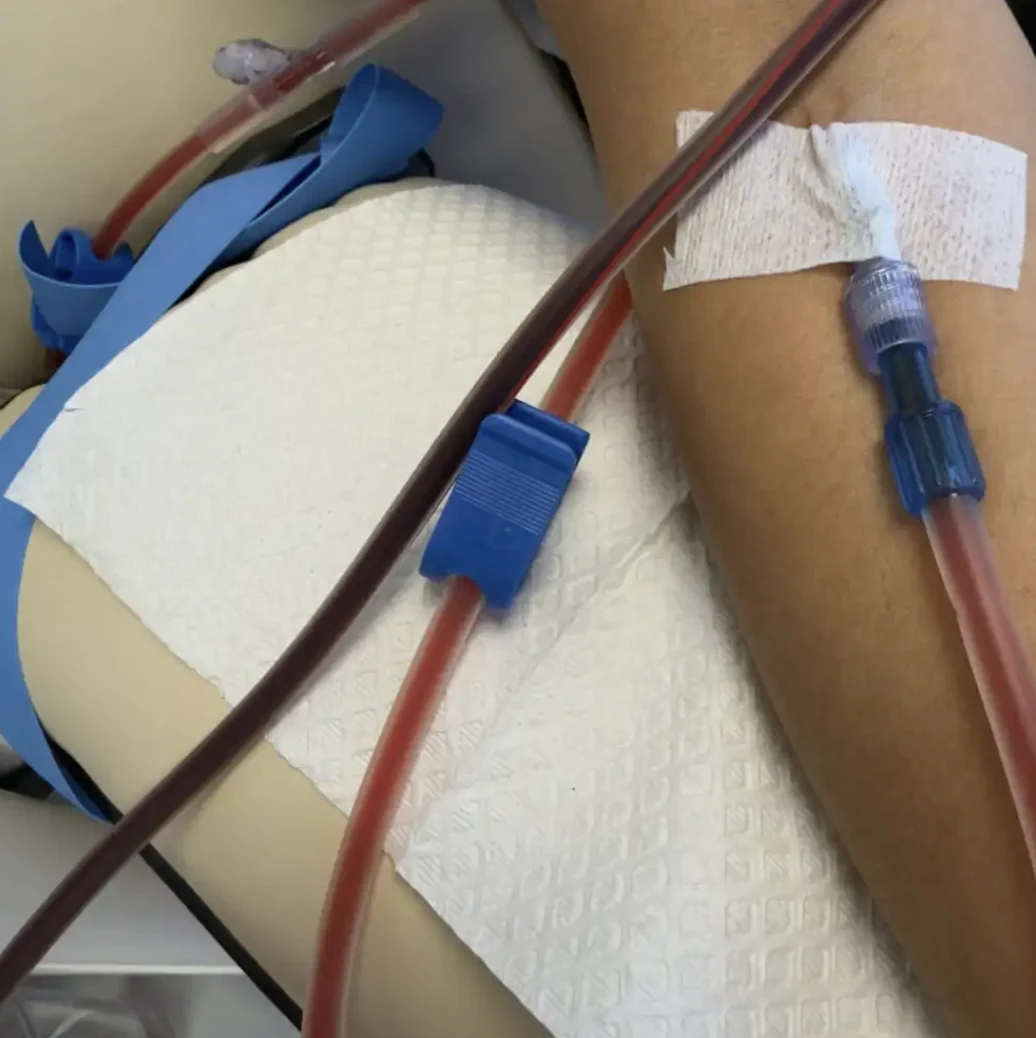
Top Physician-Guided Biohacks Worth Considering
Explore top physician guided biohacks, from EBO3 Therapy to HBOT, with physician-supervised screening and personalized plans for recovery and longevity.
ReadMedical Disclaimer: Information on this website is for educational purposes only and is not intended to diagnose, treat, cure, or prevent any disease. It is not a substitute for medical advice. Individual results vary. Consult a qualified healthcare provider before beginning any treatment.