A serious EBO3 consultation should feel less like selecting a wellness menu item and more like planning a tailored clinical experience around your current health picture, travel schedule, training demands, and long-term priorities. This EBO3 consultation planning guide explains how a private, physician-supervised evaluation helps determine whether an oxygenation-focused protocol is appropriate and how it may fit within a broader cellular wellness plan.
Quick Answer: What an EBO3 Consultation Is For
An EBO3 consultation is a provider-guided planning appointment for clients considering EBO3 Therapy as part of a personalized wellness protocol. The purpose is not to promise a universal outcome. It is to review health history, medications, prior procedures, goals, and relevant clinical information before recommending an individualized course of care.
At EBO2 Therapy and Wellness, screening is required. A qualified provider considers whether EBO3 Therapy aligns with goals such as recovery support, oxygenation-focused wellness, cellular vitality, performance planning, or healthy-aging support. The consultation also identifies when another service, a different sequence of therapies, or no treatment may be the more appropriate decision.
Also Known As: EBO3, EBOO, and EBO2 Therapy
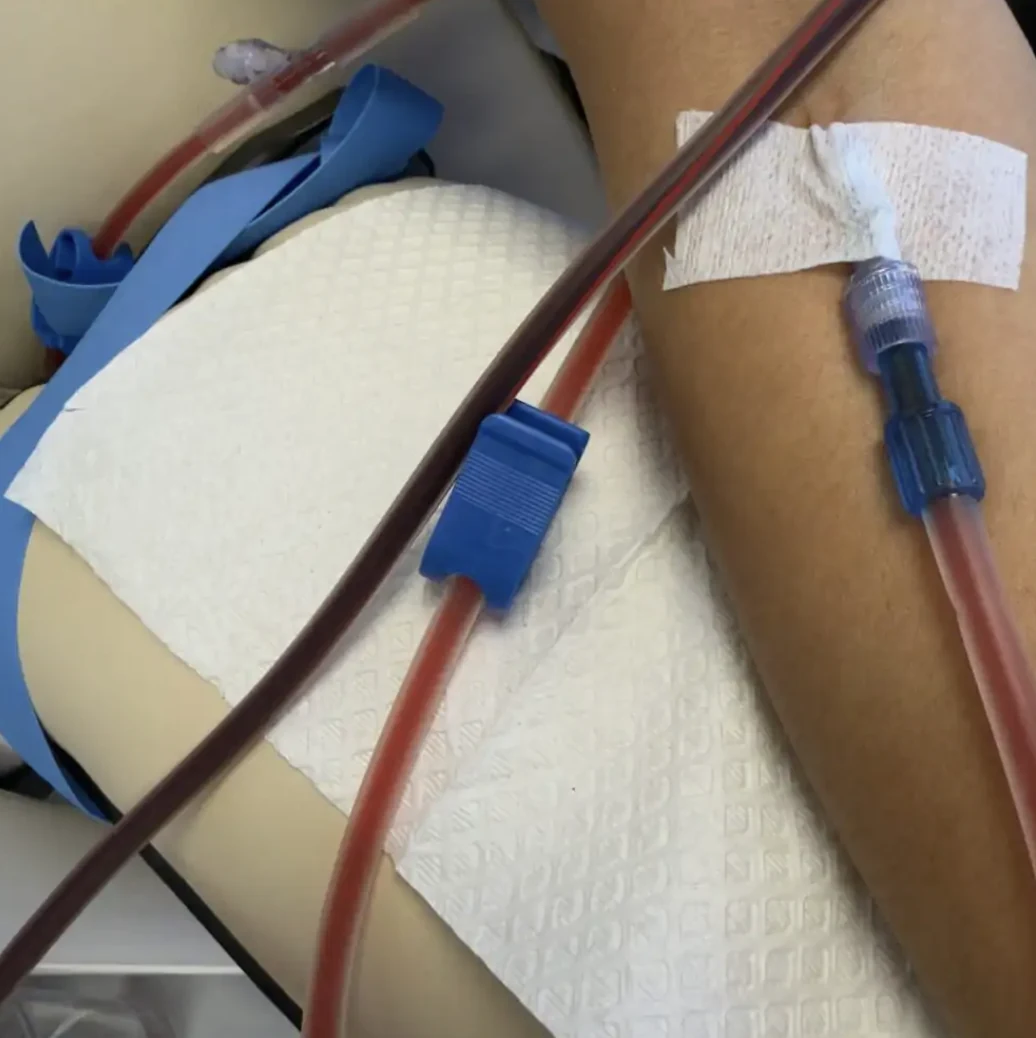
EBO3 Therapy may appear in searches under several related terms, including EBOO Therapy, EBO2 Therapy, EBO Therapy, and EBO treatment. These terms are often used to describe advanced extracorporeal oxygenation and ozonation approaches, where blood is processed through a specialized closed medical system according to the provider's protocol.
The terminology can be confusing because equipment configurations, clinical workflows, and wellness protocols vary by practice. That is precisely why a consultation matters. Rather than assuming that a search term describes one identical experience everywhere, clients should ask how the practice approaches screening, physician oversight, treatment parameters, and follow-up planning.
Start With the Goal, Not the Therapy
The most productive consultations begin with a clear reason for seeking care. Some clients arrive after a demanding travel season, an intensive athletic block, or a period of poor recovery. Others are developing a more deliberate longevity-focused plan and want advanced wellness therapies coordinated thoughtfully rather than booked in isolation.
A provider will usually help distinguish between a broad interest in feeling better and a practical objective that can guide planning. For example, “I want more energy” may lead to a conversation about sleep, nutrition, stress, hydration, training load, laboratory findings, and recovery habits. EBO3 Therapy may be considered as one component of an integrated plan, but it should not replace foundational care or appropriate medical evaluation.
This discussion is also where trade-offs become clear. A client with a compressed schedule may prefer a measured protocol that can be reassessed over time. Someone preparing for a major athletic event may need timing that respects training, travel, hydration, and recovery. More sessions are not automatically better. The appropriate approach depends on screening findings, goals, tolerance, and provider judgment.
What to Bring to an EBO3 Consultation
A concierge consultation is more efficient when the clinical team has a complete and current picture. Be prepared to discuss your medical history, known conditions, past procedures, allergies, supplements, prescription medications, and recent wellness treatments. Bring relevant laboratory work or physician records when available, particularly if they may influence planning.
It is equally useful to share the details people sometimes leave out: frequent international travel, endurance events, poor sleep, dehydration, restrictive dieting, recent illness, alcohol intake, or a demanding work period. These factors may affect recovery and can influence the timing or structure of a personalized protocol.
The provider may also ask about your goals over the next several weeks and the next several months. A protocol designed around immediate recovery support may look different from one intended to complement a longer cellular wellness strategy. Clear expectations make it easier to choose a sensible pace and evaluate your experience honestly.
Questions Your Provider Should Address
Private care should make room for meaningful questions, not hurried consent. During an EBO3 consultation, clients should receive a clear explanation of the proposed process, why it may or may not suit their current situation, and what alternatives deserve consideration.
Ask how the session is structured, how long the visit may take, what preparation is requested, and what the care team monitors during the appointment. Ask which medications, supplements, or medical circumstances require additional review. You should also understand the follow-up plan: whether the provider recommends reassessment after one visit, a series of visits, updated labs, or coordination with your primary physician or specialist.
It is reasonable to ask what the therapy is not intended to do. Responsible wellness care does not position EBO3 Therapy as a cure, disease treatment, or substitute for diagnosis and conventional medical care. Results vary, and a careful provider will be direct about uncertainty as well as potential fit.
Safety, Screening, and Clinical Oversight
EBO3 Therapy is not a casual add-on. It involves a medical procedure and should be delivered within a structured clinical setting with qualified oversight, appropriate equipment, and established protocols. Screening helps identify factors that may affect candidacy, including relevant cardiovascular history, blood-related considerations, medication use, active symptoms, recent procedures, and individual tolerance.
Some clients may need further medical review before moving forward. Others may be advised to delay, modify, or avoid a procedure based on their history or current status. That is not a failure of the consultation. It is the consultation working as intended.
Preparation and aftercare should be individualized. Depending on the provider's recommendations, this may include hydration guidance, medication review, activity considerations, and observation following the session. Clients should report symptoms or changes in health status honestly, even if they seem unrelated. Precision in screening supports a more responsible experience.
Building a Personalized Protocol Around EBO3 Therapy
EBO3 Therapy is often considered alongside other advanced wellness therapies, but they are not interchangeable. A thoughtfully designed protocol considers purpose, timing, burden, and recovery capacity rather than stacking services simply because they are available.
For instance, IV Therapy may be considered when hydration or nutrient support is a priority. NAD+ Therapy may fit certain longevity-focused or energy-support goals, while glutathione pushes may be discussed within a broader antioxidant-support strategy. Hyperbaric Oxygen Therapy, also called HBOT or oxygen chamber therapy, takes a different approach to oxygenation-focused wellness and may be planned separately based on the client's needs and schedule.
Therapeutic Plasma Exchange, or TPE, is also distinct from EBO3 Therapy. It has different clinical considerations, logistics, and screening requirements. Clients interested in TPE, regenerative biologics, peptide therapy, red light therapy, or a CTOI Cellular Optimization Report should expect the provider to explain where those services may complement a plan and where combining therapies too quickly would not be advisable.
What the Visit Experience May Look Like
After eligibility and protocol details are reviewed, the care team will explain what to expect on the day of service. This includes check-in, vital signs or other appropriate assessments, the planned procedure, monitoring, recovery time, and discharge instructions. The experience should be private, unhurried, and clinically organized.
Comfort matters, but so does communication. Let the team know if you feel unwell, anxious, lightheaded, unusually fatigued, or different from your normal baseline before or during a visit. A premium concierge setting should never make a client feel pressured to proceed when additional assessment is warranted.
For clients in Rancho Palos Verdes and West Palm Beach, private consultation-based planning offers a more refined alternative to one-size-fits-all wellness scheduling. It allows the protocol to account for the realities of executive work, frequent travel, athletic commitments, and long-term wellness priorities.
Planning Your Next Step
The right EBO3 plan is not defined by a trend, a package size, or a promise. It is defined by whether the therapy is appropriate for you now, how it fits your broader health strategy, and whether the clinical team can explain the reasoning with clarity. A private consultation creates the space to make that decision carefully, with your goals and screening findings at the center of the conversation.
Ready to talk with our team?
Book a complimentary consultation at our Rancho Palos Verdes or West Palm Beach clinic.
Request a ConsultationRelated services
EBO3 is a clinic-branded wellness protocol. These references describe ozone's regulatory context and the state of the published evidence; they do not establish EBO3 as a treatment for any disease, and ozone therapy is not FDA-approved. Published EBOO/ozone literature is heterogeneous, largely preliminary or uncontrolled, and mostly of low or very-low certainty.
- 21 CFR § 801.415 — Federal regulation on ozone (labeling context)
eCFR (U.S. Electronic Code of Federal Regulations)
Federal labeling regulation for medical devices generating ozone. Regulatory context only; does not indicate FDA approval of ozone as a therapy.
- Bocci V. Ozone as Janus: this controversial gas can be either toxic or medically useful
Mediators of Inflammation (PMID 16156950)
Narrative review discussing extracorporeal blood oxygenation with ozone (EBOO) and related ozone modalities. Evidence at the time was preliminary and largely uncontrolled — insufficient to validate EBOO for any disease indication.
- Umbrella review of ozone therapy across clinical indications
Medical Sciences (DOI 10.3390/medsci14020289)
Umbrella review of systematic reviews of ozone therapy across multiple indications. Findings are heterogeneous with most conclusions rated low or very-low certainty; overall evidence remains insufficient to establish general clinical efficacy.
- Smith NL et al. Ozone therapy: an overview of pharmacodynamics, current research, and clinical utility
Medical Gas Research (PMID 29152215)
Peer-reviewed overview of ozone therapy noting that the current clinical evidence base is heterogeneous and further rigorous study is needed.
References describe general evidence, safety, or regulatory context. They do not establish an individual benefit for any specific person, and they do not validate EBO2's proprietary clinic protocols.
Related reading
More from the EBO2 Therapy and Wellness library.

Hyperbaric Oxygen Therapy for Recovery Support
Hyperbaric Oxygen Therapy delivers pressurized oxygen in a clinical chamber. Learn who may benefit, what sessions involve, and why screening matters most.
Read
What Performance Medicine Looks Like in Practice
Performance medicine pairs physician-guided testing and personalized wellness protocols to support recovery, energy, resilience, and healthy aging over time
ReadSouth Bay Wellness Guide for Private Longevity Care
This South Bay wellness guide explains how to choose physician-supervised, personalized therapies for recovery, cellular wellness, and longevity planning.
ReadMedical Disclaimer: Information on this website is for educational purposes only and is not intended to diagnose, treat, cure, or prevent any disease. It is not a substitute for medical advice. Individual results vary. Consult a qualified healthcare provider before beginning any treatment.