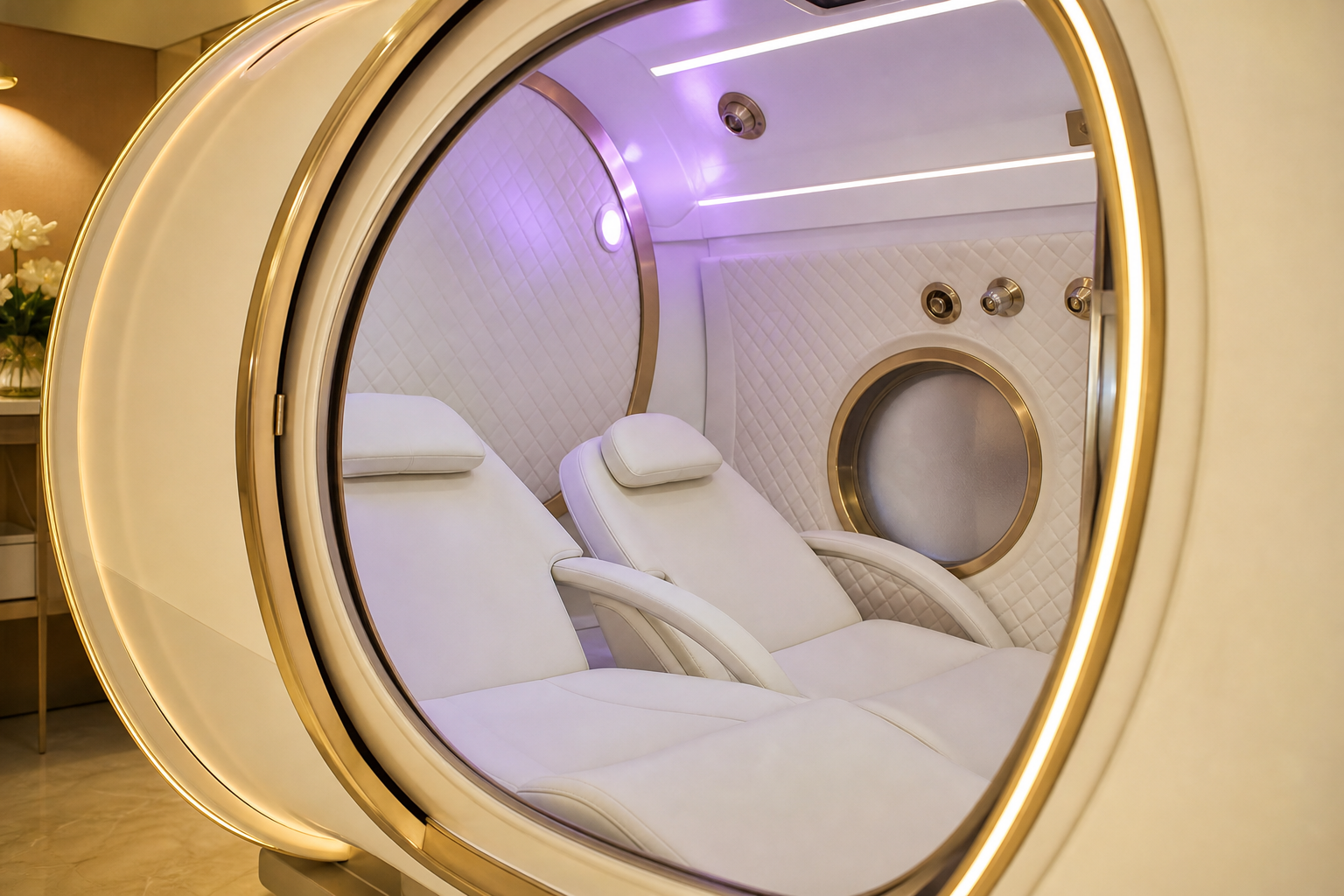
A hyperbaric session is not simply time spent in an oxygen chamber. It is a controlled, pressure-based experience that begins with thoughtful screening and a few practical decisions before you arrive. Knowing how to prepare for HBOT can help your session feel more comfortable, efficient, and aligned with your provider-guided wellness plan.
Quick answer: how to prepare for HBOT
Prepare for hyperbaric oxygen therapy, or HBOT, by completing the required medical screening, sharing a complete medication and health history, following your center's clothing and personal-care instructions, arriving hydrated and nourished unless told otherwise, and practicing simple ear-pressure equalization techniques. If you develop congestion, ear discomfort, or a respiratory illness before your appointment, notify the clinical team rather than trying to push through it.
The exact preparation process depends on your health history, the chamber type, the pressure protocol, and the reason HBOT is being considered. Screening is required because a personalized protocol is more appropriate than a one-size-fits-all approach.
What HBOT is and why preparation matters
Hyperbaric oxygen therapy, also called HBOT or oxygen chamber therapy, involves breathing oxygen in a pressurized chamber. As chamber pressure changes, the body experiences a sensation similar to an airplane descent - most noticeably in the ears and sinuses. The clinical team manages the session closely, but your ability to equalize pressure and follow facility safety procedures contributes substantially to comfort.
For clients pursuing oxygenation-focused wellness, recovery support, performance optimization, or longevity-focused care, preparation also helps create a more composed experience. HBOT may be included within a broader personalized protocol, sometimes alongside physician-supervised IV therapy, red light therapy, NAD+ therapy, or other advanced wellness therapies. The right combination, cadence, and timing should follow a private consultation rather than assumptions about what worked for someone else.
Complete the medical screening honestly
Your first step is a detailed intake. Provide your clinician with an accurate medical history, including prior ear or sinus surgery, lung conditions, recent illnesses, implanted devices, anxiety in enclosed spaces, and any past difficulty equalizing pressure while flying or diving.
Bring or submit a current list of prescriptions, over-the-counter medications, supplements, and recent treatments. Some medications and clinical circumstances may call for modified timing, additional review, or a decision to postpone a session. Do not stop a prescribed medication on your own in anticipation of HBOT. Your prescribing clinician and HBOT provider should guide that decision.
If you have diabetes or use glucose-lowering medication, ask specifically about meal timing and glucose monitoring. A clinic may request a pre-session blood glucose check or give individualized nutritional guidance. Likewise, clients who are pregnant, have a seizure history, have had recent eye procedures, or have active respiratory symptoms should discuss those details before scheduling.
A history of a collapsed lung, certain lung findings, or unexplained shortness of breath deserves particular attention. This is not a reason to self-screen out. It is a reason for appropriate physician review before entering a pressurized environment.
Prepare your ears and sinuses for pressure changes
Most first-time HBOT questions center on ear pressure, and for good reason. During compression, you will need to gently equalize the pressure in your ears. Common approaches include swallowing, yawning, sipping water, chewing if permitted by the facility, or gently pinching the nose and blowing softly against it. The team will explain the technique used in their chamber and can slow or pause compression if needed.
Practice the feeling before your appointment, but never force it. Aggressive pressure maneuvers can cause discomfort. If you have a cold, sinus congestion, ear infection symptoms, seasonal allergies that are not well controlled, or recent dental pain, contact the center in advance. In some cases, rescheduling is the more comfortable and medically responsible choice.
Arrive early enough to discuss any concern you have about equalization. Clear communication is preferable to enduring discomfort in silence. You can signal the attendant during the session, and they should explain this process before the chamber door closes.
Follow chamber-day safety rules
Hyperbaric environments require precise safety standards. Your center will tell you what may enter the chamber, what clothing to wear, and which personal items must stay outside. These rules are not cosmetic details. Oxygen-rich settings require careful control of materials and products.
In many facilities, clients are asked to wear approved cotton garments or clinic-provided attire. Avoid applying lotions, oils, perfumes, hair products, makeup, nail products, or other topical items unless the team has confirmed they are permitted. Do not assume a product is acceptable because it is marketed as natural or fragrance-free.
You will typically need to remove personal electronics, watches, jewelry, lighters, batteries, and reading materials that have not been cleared for chamber use. Ask ahead if you rely on a hearing aid, continuous glucose monitor, medical patch, or other device. The clinical team can determine what is compatible with their safety procedures and what needs an alternative plan.
Because protocols vary by facility and chamber, follow the instructions you receive rather than a generic checklist found online. A private, physician-supervised setting should make those expectations clear before your first session.
Eat, hydrate, and plan a calm arrival
Unless your provider gives different instructions, arrive well hydrated and avoid beginning a session overly hungry. A light, balanced meal beforehand often helps clients feel steady, particularly if they are prone to lightheadedness when meals are delayed. Avoid a heavy meal immediately before the appointment if it tends to leave you uncomfortable while seated or reclined.
Alcohol and tobacco can work against a well-planned wellness routine and may affect how you feel before or after a session. Ask your provider about the appropriate timing for your circumstances. If caffeine makes you anxious, restless, or more aware of bodily sensations, consider limiting it before an initial appointment.
Give yourself time. Rushing through traffic, taking calls until the last minute, and arriving dehydrated can make any new clinical experience feel more demanding. Plan to arrive early, use the restroom beforehand, and wear clothing that is easy to change out of if the facility provides approved attire.
Know what to expect inside the chamber
During a typical session, pressure rises gradually at the beginning and decreases gradually at the end. Ear pressure is usually most noticeable during these transitions. Once at the prescribed pressure, many clients rest quietly. Depending on the chamber and facility protocol, you may be able to watch approved entertainment or communicate with an attendant.
Some people notice temporary ear fullness, mild fatigue, or visual changes after a course of sessions. Others feel little different immediately afterward. Responses vary, and a single session does not establish a long-term outcome. Let the team know about any symptom during or after treatment so it can be documented and considered in future planning.
If enclosed spaces are uncomfortable for you, discuss it before the session rather than canceling at the door. Options may include an orientation, a chance to see the chamber in advance, guided breathing, communication planning, or a gradual introduction when clinically appropriate. The goal is not to push through distress. It is to create a setting in which you can participate calmly and safely.
Questions worth asking at your consultation
A premium HBOT experience should leave little room for guesswork. Ask what type of chamber will be used, how long the session is expected to take, what pressure protocol is being considered, and what you should wear. Ask whether your current medications, supplements, devices, or recent procedures require review.
It is also reasonable to ask how HBOT fits your wider wellness objectives. Are you seeking recovery support after demanding travel or training, support for cellular wellness, or a more comprehensive longevity-focused plan? Your provider can help determine whether HBOT is suitable as a standalone service or better positioned alongside other consultation-based care.
At EBO2 Therapy and Wellness, this planning begins with individualized screening and a physician-supervised approach designed around your history, priorities, and comfort in the chamber.
The most useful preparation is a conversation
The practical details matter: approved clothing, clear ears, adequate hydration, and a medication review. Yet the best way to prepare is to communicate early and fully with your provider. A well-run HBOT appointment should feel measured, private, and carefully considered - not rushed. With the right screening and expectations, you can arrive ready to focus on the experience and the personalized wellness plan behind it.
Ready to talk with our team?
Book a complimentary consultation at our Rancho Palos Verdes or West Palm Beach clinic.
Request a ConsultationRelated services
FDA clearance covers specified hyperbaric chambers, and accepted clinical use is tied to specific conditions, pressures, and protocols documented by UHMS. General wellness or anti-aging claims are not FDA-cleared uses, and Cochrane reviews continue to describe limited or inconclusive evidence outside those accepted indications.
- FDA letter to health care providers — Follow Instructions for Safe Use of Hyperbaric Oxygen Therapy Devices
U.S. Food & Drug Administration
FDA safety communication distinguishing FDA-cleared HBOT chambers and their labeled indications from wellness marketing claims.
- UHMS Hyperbaric Oxygen Therapy Indications — 15th Edition (front matter & references)
Undersea and Hyperbaric Medical Society
UHMS indications manual defining accepted HBOT indications with condition-specific protocols. Accepted uses are narrow and protocol-defined; not a blanket wellness endorsement.
- Cochrane systematic review of hyperbaric oxygen therapy (PMID 26106870)
Cochrane Database of Systematic Reviews (PMID 26106870)
Cochrane review describing limited and often inconclusive evidence for HBOT outside its accepted indications — supports the condition/protocol-specific framing above.
References describe general evidence, safety, or regulatory context. They do not establish an individual benefit for any specific person, and they do not validate EBO2's proprietary clinic protocols.
Related reading
More from the EBO2 Therapy and Wellness library.

Best Options for Healthy Aging After 40
Explore the best options for healthy aging, from strength and sleep to physician-guided cellular wellness protocols tailored to your goals and lifestyle.
Read
Are Peptides Physician Supervised? What to Ask
Are peptides physician supervised? Learn when oversight matters, what screening involves, and how personalized peptide protocols are planned responsibly.
ReadWhat Longevity Medicine Looks Like in Practice
Longevity Medicine uses physician-guided assessment and personalized planning to support cellular vitality, recovery, performance, and healthy aging goals.
ReadMedical Disclaimer: Information on this website is for educational purposes only and is not intended to diagnose, treat, cure, or prevent any disease. It is not a substitute for medical advice. Individual results vary. Consult a qualified healthcare provider before beginning any treatment.