Quick Answer
When clients ask, “what does EBO treatment involve?” the direct answer is an individualized, physician-supervised blood-processing session designed to support oxygenation-focused wellness, recovery, and personalized longevity goals. During EBO3 Therapy, a small amount of blood is circulated through a specialized closed-loop system, exposed to a carefully controlled oxygen-ozone mixture according to the provider’s protocol, and returned to the body.
The process is more involved than a standard IV visit. It requires clinical screening, sterile technique, active monitoring, appropriate equipment, and a protocol shaped around the individual’s health history, current medications, wellness priorities, and tolerance. At EBO2 Therapy and Wellness, EBO3 Therapy is approached as a consultation-based advanced wellness service, not a one-size-fits-all treatment.
What Is EBO3 Therapy Also Called?
EBO3 Therapy is the preferred name for this oxygenation-focused service. People may also search for EBOO Therapy, EBO2 Therapy, EBO Therapy, or EBO treatment. These terms are often used interchangeably online, although equipment, technique, treatment length, and protocol details can differ between practices.
The “EBO” terminology generally refers to extracorporeal blood oxygenation and ozonation - meaning blood is processed outside the body in a controlled clinical circuit before it is returned. It is distinct from a conventional IV infusion, and it is also distinct from smaller-volume ozone approaches sometimes called major autohemotherapy.
That distinction matters. A responsible consultation should explain the actual system being used, what the session is intended to support, and why that approach may or may not fit the client’s situation.
The Core Steps of an EBO Treatment
Although personalized protocols vary, EBO3 Therapy generally follows a clear clinical sequence. The appointment begins before any equipment is prepared. A provider reviews relevant history, current prescriptions and supplements, prior reactions to IV-based services, hydration status, and the client’s primary goals. For some individuals, additional screening or coordination with their existing physician may be appropriate.
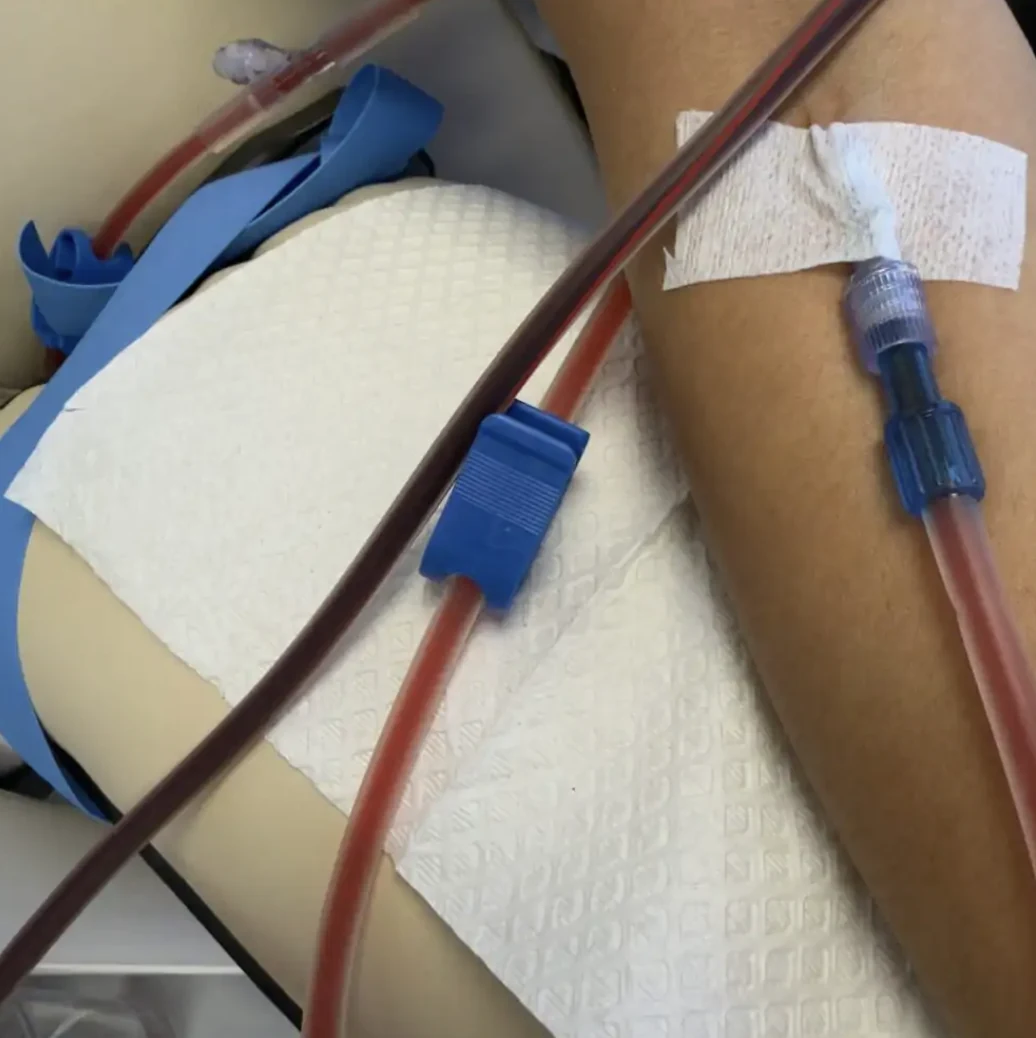
Once the client is cleared to proceed, the provider establishes IV access using clinical technique. Blood is then drawn gradually into a closed extracorporeal circuit. An anticoagulant is commonly used within the circuit to help support smooth blood flow through the system. The exact approach depends on the equipment and the provider-directed plan.
Within the circuit, the blood passes through specialized components designed for controlled exposure to an oxygen-ozone mixture. The blood is continuously returned through a separate line rather than collected and held in a bag for the duration of the visit. This continuous circulation is a defining feature of EBO-style therapy.
Throughout the session, the care team monitors the client’s comfort and clinical response. Depending on the protocol, the visit may also include hydration support or other provider-selected elements of a broader cellular wellness plan. These additions should be purposeful, not automatic. A client focused on demanding travel, athletic recovery, or a high-performance work schedule may require a different plan than someone seeking a longer-term longevity-focused routine.
After the circuit is discontinued, the IV sites are assessed and the client is given individualized aftercare guidance. Some clients prefer a quiet period before returning to work, travel, or training. Others may be able to resume normal activities based on how they feel and the provider’s recommendations.
What a Private Consultation Should Clarify
EBO treatment is often presented online with broad promises. A higher standard of care starts with more precise questions: What are you hoping to support? What is your current baseline? Which factors could affect your candidacy? What is a reasonable way to evaluate your response over time?
A private consultation should clarify whether EBO3 Therapy is being considered for oxygenation-focused wellness, recovery support, cellular vitality, performance optimization, or detox pathway support. It should also establish whether another service may be more aligned with the client’s needs.
For example, someone preparing for a demanding travel season may be better suited to a targeted IV protocol, while a client building a long-range longevity plan may benefit from a broader combination of physician-guided services. NAD+ Therapy, glutathione support, Hyperbaric Oxygen Therapy, red light therapy, peptide consultation, and a CTOI Cellular Optimization Report can each have a place in a personalized protocol. They are not interchangeable, and they should not be added simply because they are available.
How Long Does an EBO3 Therapy Session Take?
Timing depends on the system, the planned blood-processing volume, IV access, hydration status, and the pace that is appropriate for the individual. Clients should generally allow time for intake, preparation, the monitored therapy session, and post-session assessment rather than scheduling the visit between tightly fixed obligations.
The number and frequency of sessions also vary. Some clients seek periodic recovery support around travel, training, or high-demand periods. Others may discuss a phased wellness protocol with their provider. There is no universal schedule, and results vary based on individual factors, overall lifestyle, and the broader care plan.
Safety, Screening, and Clinical Oversight
Because EBO3 Therapy involves extracorporeal circulation, screening is required. It is not appropriate to assume that an advanced wellness therapy fits every person or every health objective. A thorough review may include medical history, current health status, medications that affect bleeding or clotting, history of anemia or blood-related conditions, vascular access considerations, and relevant laboratory information when indicated.
Clients should disclose all medications, supplements, allergies, and recent procedures. They should also be candid about past issues with IV access, fainting, bruising, dehydration, or reactions during medical therapies. This information helps the care team make responsible recommendations.
Potential considerations can include temporary discomfort from IV placement, bruising, fatigue, lightheadedness, fluid shifts, or difficulty with vascular access. The clinical team should explain anticipated considerations, answer questions directly, and advise when a client should contact the practice after a session. Provider-guided protocols and appropriate monitoring are central to the experience.
EBO3 Therapy is not intended to diagnose, cure, treat, or may support resilience against disease. It should not replace primary medical care, specialty care, prescribed medication, or urgent evaluation when symptoms require it.
Who May Be Interested in EBO Treatment?
Many clients considering EBO Therapy are already intentional about their health. They may be executives managing a demanding schedule, frequent travelers, athletes balancing training and recovery, or active adults seeking more sophisticated support for energy, resilience, and healthy aging.
The right candidate is not defined by a single goal. It depends on health history, screening findings, tolerance, and whether the individual is willing to approach advanced wellness therapies as part of a thoughtful plan rather than a quick fix. Sleep, nutrition, movement, stress load, alcohol intake, and existing medical care still matter. An advanced session cannot substitute for those foundations.
EBO3 Therapy Compared With Other Wellness Services
EBO3 Therapy is often considered alongside other oxygenation-focused or cellular wellness services, but each serves a different role. Hyperbaric Oxygen Therapy involves breathing oxygen in a pressurized chamber and does not use an extracorporeal blood circuit. IV Therapy delivers selected fluids and nutrients intravenously but does not process blood outside the body.
Therapeutic Plasma Exchange, also called TPE or plasmapheresis, is a more intensive medical procedure with different indications, equipment, screening requirements, and clinical considerations. It should not be treated as another name for EBO Therapy. Likewise, ozone-based wellness services can vary significantly in method and intensity.
A provider-guided discussion can help determine whether a client is looking for a standalone session, a complementary recovery service, or a more comprehensive personalized protocol.
Where EBO3 Therapy Is Available
EBO2 Therapy and Wellness serves clients through private concierge wellness locations in Rancho Palos Verdes, California, and West Palm Beach, Florida. Clients from the South Bay, greater Los Angeles, Orange County, Palm Beach, Jupiter, Boca Raton, and surrounding communities often seek a discreet, consultation-based setting for advanced wellness planning.
Availability, candidacy, and protocol recommendations are determined individually. A private consultation is the appropriate next step for clients considering EBO3 Therapy or comparing it with other longevity-focused services.
Frequently Asked Questions
Is EBO treatment the same as ozone therapy?
EBO treatment uses a specialized extracorporeal circuit and controlled oxygen-ozone exposure while blood is continuously circulated and returned. Ozone therapy is a broader term that can describe several different methods, so the specific technique should always be clarified.
Will I feel different immediately after EBO3 Therapy?
Experiences vary. Some clients report feeling ready to return to their routine, while others prefer additional recovery time. A provider can discuss what to expect based on the planned protocol and your personal health context.
Can EBO3 Therapy be combined with other services?
It may be incorporated into a personalized protocol with selected wellness services when clinically appropriate. The decision should follow screening and provider guidance rather than a preset package.
The most valuable first step is not choosing the most intensive option. It is choosing a care team that asks the right questions, screens carefully, and builds a plan around your physiology, priorities, and pace of life.
Ready to talk with our team?
Book a complimentary consultation at our Rancho Palos Verdes or West Palm Beach clinic.
Request a ConsultationRelated services
Related reading
More from the EBO2 Therapy and Wellness library.

Palos Verdes IV Therapy, Personally Designed
Palos Verdes IV therapy with physician-supervised screening, personalized infusions, and private concierge care for recovery, vitality, and performance.
Read
TPE Scheduling Questions to Ask Before You Book
Get clear answers to TPE scheduling questions, from consultation timing and screening to visit length, recovery planning, and personalized care plans now.
ReadHow Plasma Exchange Works: A Clinical Overview
Learn how plasma exchange works, what happens during a TPE session, who may be eligible, and why physician-guided screening and planning matter for TPE.
ReadMedical Disclaimer: Information on this website is for educational purposes only and is not intended to diagnose, treat, cure, or prevent any disease. It is not a substitute for medical advice. Individual results vary. Consult a qualified healthcare provider before beginning any treatment.