A demanding travel schedule, high-output work, intensive training, and inconsistent recovery can create the same question: which advanced therapies are actually worth considering? The best therapies for cellular wellness are not a universal menu. They are selected around your health history, current goals, tolerance, laboratory context when appropriate, and the level of medical oversight a therapy requires.
For many clients, cellular wellness means supporting energy, recovery, oxygenation, cognitive wellness, healthy aging, and the body’s natural detox pathways without making exaggerated promises. A thoughtful plan may combine a small number of complementary modalities rather than pursuing every available intervention. The objective is precision: choosing therapies that fit the person, not simply the trend.
What makes a therapy right for cellular wellness?
Cellular wellness is a broad wellness concept, not a diagnosis. It describes the conditions that can support normal cellular function, including adequate oxygen delivery, nutrient status, sleep, movement, stress management, metabolic health, and recovery capacity. Advanced therapies may be useful additions, but they do not replace foundational care or medical evaluation when symptoms need diagnosis.
The most appropriate option depends on the goal. Someone preparing for a demanding athletic event may prioritize recovery support. A frequent traveler may be more interested in hydration, nutrient repletion, and oxygenation-focused care. An executive building a longevity-focused plan may want a more comprehensive review of lifestyle, biomarkers, and provider-guided therapies.
The best private practices begin with screening rather than selling a preset package. This matters because advanced wellness therapies have different contraindications, medication considerations, and practical demands. Results vary, and a therapy that is appropriate for one person may not be appropriate for another.
Best therapies for cellular wellness: a physician-guided view
EBO3 Therapy for oxygenation-focused support
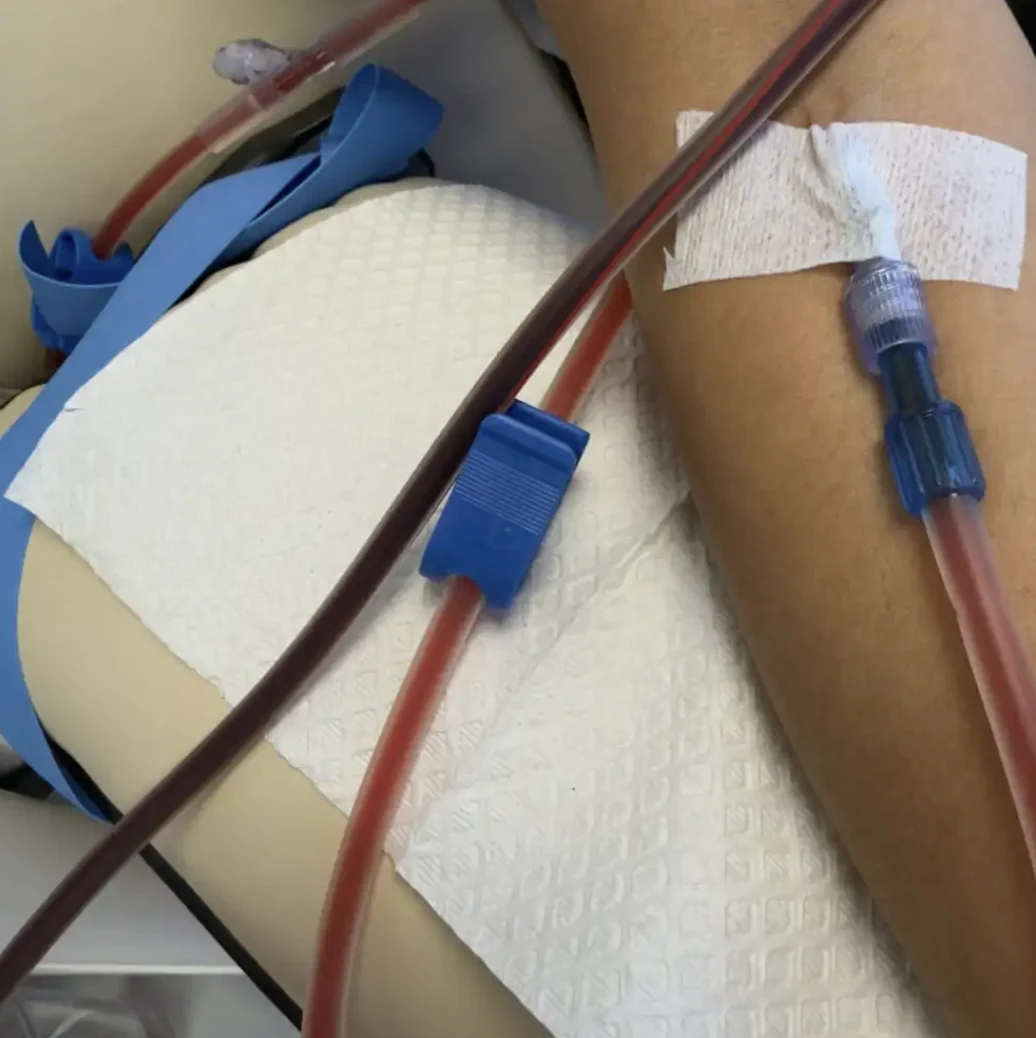
EBO3 Therapy is an advanced, physician-supervised oxygenation-focused service that may be considered within a personalized cellular wellness and recovery protocol. You may also see related search terms such as EBOO Therapy, EBO2 Therapy, EBO Therapy, or EBO treatment. These terms are often used interchangeably online, although the clinical process and protocol should always be explained clearly by the treating provider.
Clients commonly ask about EBO3 Therapy when they are seeking structured support for recovery, energy, performance, or broader longevity planning. Because it is an extracorporeal procedure performed in a clinical setting, candidacy, treatment parameters, and monitoring deserve careful attention. It is not a casual add-on service. A private consultation should review relevant history, medications, baseline wellness goals, and whether this level of intervention fits the plan.
Hyperbaric Oxygen Therapy for recovery planning
Hyperbaric Oxygen Therapy, often called HBOT or oxygen chamber therapy, involves breathing oxygen in a pressurized chamber under an established protocol. In a wellness setting, HBOT may be incorporated to support recovery, exercise readiness, and oxygenation-focused goals.
Its appeal is straightforward: the session is structured, noninvasive, and easy to integrate into a broader recovery routine. Still, it is not suitable for everyone. Ear and sinus concerns, lung history, certain medications, and other clinical factors can affect eligibility. A high-quality HBOT program screens carefully, explains what to expect during pressurization, and avoids overstating wellness outcomes.
IV Therapy, NAD+, and glutathione for targeted support
IV Therapy can be a practical component of a personalized protocol when oral intake, travel, training load, or individual nutrient needs call for provider-guided support. Formulations may be designed around hydration, vitamins, minerals, amino acids, or wellness-focused recovery objectives. The value is not in an extravagant drip name. It is in selecting ingredients and dosing with clinical judgment.
NAD+ Therapy is frequently requested by clients interested in energy support, cognitive wellness, and longevity-focused care. Sessions can require pacing because individual comfort and tolerance vary. A protocol may also include a glutathione push when clinically appropriate, with the goal of supporting antioxidant systems and detox pathway support rather than claiming to cleanse the blood or remove toxins.
For some clients, Methylene Blue IV is another consultation-based option. It requires particular care because it can interact with medications and may be inappropriate with certain health conditions or genetic considerations. This is exactly why physician supervision and pre-screening are more valuable than a one-size-fits-all infusion menu.
Therapeutic Plasma Exchange for select, higher-touch protocols
Therapeutic Plasma Exchange, also known as TPE, plasma exchange, or plasmapheresis, is a more involved medical procedure that separates plasma from blood components under clinical supervision. It has established medical uses in specific settings. In a concierge wellness context, any interest in TPE should begin with an individualized physician review, a clear discussion of goals, and a careful assessment of suitability.
TPE is not a generic “cleanse,” and it should never be presented as one. Some longevity-minded clients explore it as part of a highly individualized wellness strategy, but the decision involves more than preference. Screening, procedural logistics, recovery planning, and appropriate follow-up all matter. For the right candidate, its place in a plan should be deliberate and medically responsible.
Red light and near-infrared therapy for consistent recovery routines
Red light therapy, near-infrared therapy, and photobiomodulation are commonly chosen by clients who want a noninvasive modality that can fit a consistent recovery routine. Sessions use specific light wavelengths and are often included in plans focused on training recovery, skin wellness, and general cellular vitality.
The trade-off is that consistency matters more than novelty. These therapies are typically best viewed as a supportive practice alongside sleep, nutrition, training management, and other provider-guided interventions. Expectations should remain measured, particularly when a client is comparing an in-office light protocol with consumer devices that differ significantly in power, dose, and treatment design.
Peptide and regenerative biologics consultations
Peptide Therapy and regenerative biologics consultations may be relevant for clients seeking more individualized longevity and performance planning. These options are not interchangeable, and they are not appropriate for every person. Product sourcing, clinical context, medical history, regulatory considerations, and the intended wellness objective all require provider discussion.
Stem cell and exosome consultations similarly call for a high standard of transparency. A responsible practice explains what is known, what remains uncertain, what the service is intended to support, and why screening is required. Premium care means offering discernment, not presenting every emerging option as a guaranteed answer.
How to build a cellular wellness protocol that makes sense
The strongest protocols usually begin by identifying one primary objective. That may be recovery support after demanding travel, improved readiness during a training block, a more structured approach to healthy aging, or support for energy and cognitive wellness. From there, a provider can determine whether foundational testing, an optimization report, or a focused therapy plan is the better first step.
At EBO2 Therapy and Wellness, a private consultation may include discussion of lifestyle patterns, medical history, medications, relevant laboratory information, and desired outcomes. The CTOI™ Cellular Optimization Report can be useful for clients who want a more organized view of cellular wellness priorities before deciding on advanced services.
A well-designed plan also respects scheduling. An intensive protocol may not make sense immediately before international travel, a major athletic event, or a period when recovery time is limited. The best plan is not necessarily the most aggressive one. It is the one you can follow consistently, reassess intelligently, and adjust with qualified guidance.
What to expect from screening and treatment planning
Before advanced wellness therapies, expect a candid conversation about your history and current health status. Screening may include review of medications, allergies, prior procedures, cardiovascular and respiratory history, and factors specific to the therapy under consideration. Certain therapies may require additional medical clearance or testing.
During treatment, clinical teams should explain the process, monitoring, expected session length, and possible short-term considerations. Ask direct questions: Why is this therapy being recommended? What alternatives are available? What would make me ineligible? How will the protocol be adjusted if my goals or tolerance change?
For clients in Southern California and South Florida, concierge-level care should feel private, organized, and unhurried. Whether visiting Rancho Palos Verdes or West Palm Beach, the experience should center on appropriate screening and personalized planning, not pressure to purchase a predetermined series.
Frequently asked questions
Can I combine several cellular wellness therapies?
Often, yes, but combination planning should be provider-guided. HBOT, IV Therapy, red light therapy, and other services may complement one another depending on your goals, schedule, and clinical profile. More therapies are not automatically better.
How quickly will I notice results?
Some clients report changes in how they feel after an individual session, while others focus on a longer-term routine. Responses vary based on the therapy, the person’s baseline health, lifestyle, and consistency. No specific result can be guaranteed.
Is screening required for EBO3, TPE, and NAD+ Therapy?
Yes. These services require an appropriate clinical review because medical history, medications, and individual risk factors can affect candidacy and protocol design.
The most valuable next step is a private consultation that turns broad interest in cellular wellness into a plan with a clear purpose, appropriate safeguards, and room to evolve as your priorities change.
Ready to talk with our team?
Book a complimentary consultation at our Rancho Palos Verdes or West Palm Beach clinic.
Request a ConsultationRelated services
Related reading
More from the EBO2 Therapy and Wellness library.

Best Options for Healthy Aging After 40
Explore the best options for healthy aging, from strength and sleep to physician-guided cellular wellness protocols tailored to your goals and lifestyle.
Read
Are Peptides Physician Supervised? What to Ask
Are peptides physician supervised? Learn when oversight matters, what screening involves, and how personalized peptide protocols are planned responsibly.
ReadWhat Longevity Medicine Looks Like in Practice
Longevity Medicine uses physician-guided assessment and personalized planning to support cellular vitality, recovery, performance, and healthy aging goals.
ReadMedical Disclaimer: Information on this website is for educational purposes only and is not intended to diagnose, treat, cure, or prevent any disease. It is not a substitute for medical advice. Individual results vary. Consult a qualified healthcare provider before beginning any treatment.