A decision between NAD IV vs injections is rarely about which option is universally better. It is about matching the delivery method, session cadence, comfort level, and clinical context to your goals. For a client seeking a private, longevity-focused plan, those details matter far more than a one-size-fits-all recommendation.
NAD+ is a naturally occurring coenzyme involved in cellular energy processes and metabolic function. NAD+ therapy is commonly sought by people interested in cellular wellness, recovery support, cognitive wellness, travel recovery, and healthy-aging planning. However, the experience of receiving NAD+ through an IV can be quite different from receiving it by injection. A physician-supervised consultation helps clarify which route may be appropriate, whether screening is required, and how NAD+ might fit within a broader personalized protocol.
Quick answer: NAD IV vs injections
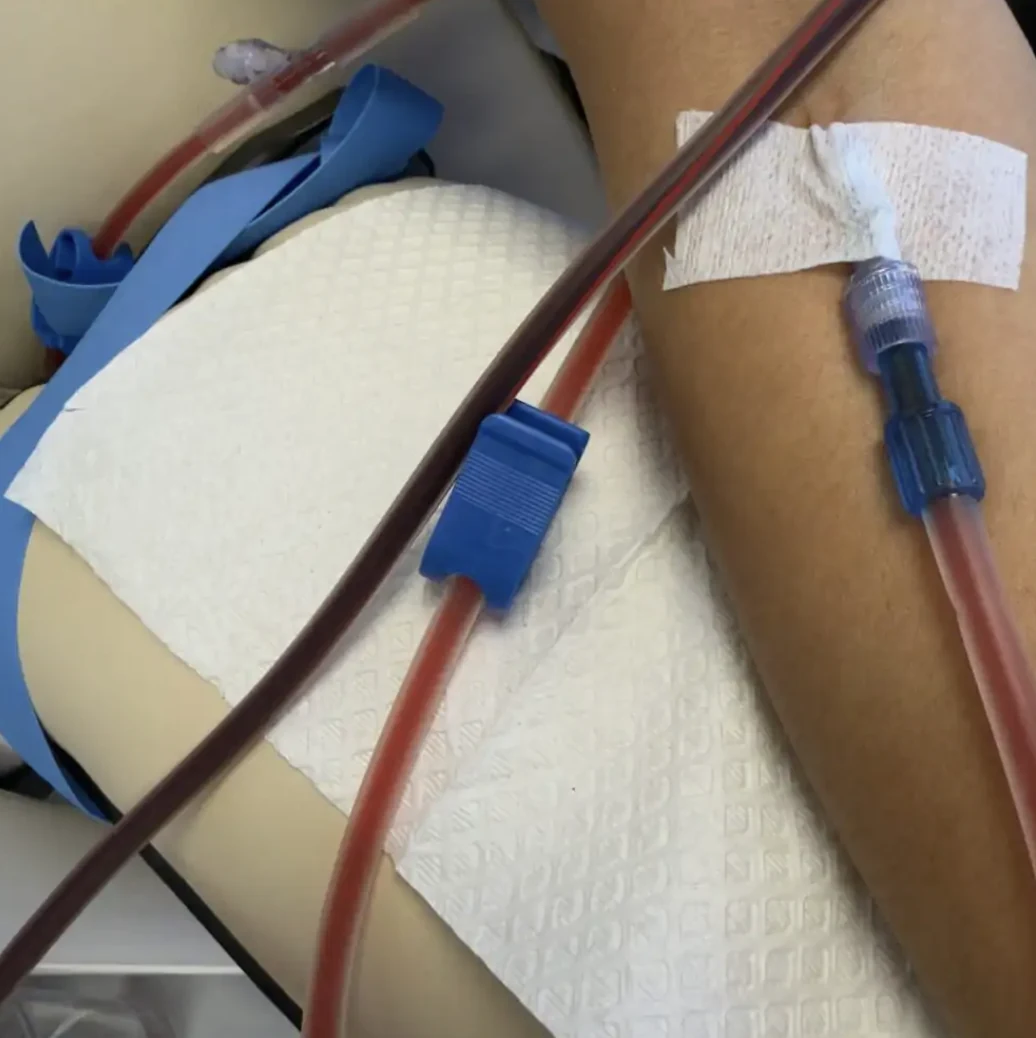
NAD IV therapy delivers NAD+ gradually through a vein during a monitored appointment. It allows the provider to adjust the infusion pace based on the client's response and is often selected when someone prefers a more comprehensive, dedicated session.
NAD+ injections are administered in smaller amounts, typically by a provider-guided route such as intramuscular or subcutaneous injection when appropriate. They are generally shorter appointments and may suit clients who prioritize convenience or a maintenance-oriented schedule.
Neither approach is inherently right for everyone. Dose, frequency, route, medical history, medications, goals, and tolerance all influence the recommendation. Results vary, and NAD+ therapy should not be represented as a treatment or cure for disease.
What NAD+ therapy is also called
You may see NAD+ therapy described as NAD IV therapy, NAD infusion, NAD drip, NAD injections, NAD shots, or nicotinamide adenine dinucleotide therapy. These terms are related, but they do not always describe the same delivery route, concentration, or appointment experience.
That distinction is worth making before comparing pricing or session length. An IV protocol may involve several hours of monitored infusion time, while an injection appointment may take minutes. The product source, clinical oversight, dose selection, and follow-up plan also deserve more attention than a label alone.
How NAD IV therapy differs from injections
Delivery and pacing
With an IV, NAD+ enters through intravenous administration over time. One practical advantage is control: a trained provider can slow, pause, or adjust the infusion if the client experiences discomfort. Many people find that a measured, individualized rate makes the appointment more manageable.
An injection delivers a smaller volume in a brief visit. It does not offer the same moment-to-moment infusion adjustment, but it can be easier to schedule around a demanding work, travel, or training calendar. For some clients, that convenience is the central reason to consider injections.
Appointment experience
An NAD IV appointment is designed as a focused wellness session. Clients should expect clinical intake, IV placement, monitored administration, and time set aside for the infusion. The length varies substantially based on the protocol and the individual's tolerance.
NAD+ injections are more abbreviated. There may still be an assessment, preparation, administration, and observation as appropriate, but the visit is typically much shorter. This can make injections appealing for ongoing provider-guided planning after an initial evaluation.
Dose strategy and consistency
Comparing the number of milligrams alone can be misleading. IV and injection protocols differ in how NAD+ is delivered over time, and a higher number is not automatically a better plan. A thoughtful protocol considers the intended role of NAD+ therapy, the pace of delivery, prior response, and whether other advanced wellness therapies are being considered.
For example, a client preparing for intensive travel or seeking recovery support during a particularly demanding season may prefer a dedicated IV appointment. Another client with a stable routine may be better suited to periodic injections, if their provider determines that route is appropriate. These are planning decisions, not promises of a specific outcome.
Comfort and tolerance
NAD+ can produce sensations during administration, especially when an IV is delivered too quickly for an individual's comfort. Depending on the person and protocol, sensations may include warmth, chest or abdominal tightness, nausea, cramping, headache, or a general sense of discomfort. These effects should be discussed candidly before treatment.
A monitored IV setting gives the clinical team the ability to modify the rate in response. Injections may involve localized tenderness or temporary soreness at the injection site, in addition to potential systemic sensations. The more convenient option is not always the more comfortable one, and the reverse can also be true.
Who may prefer NAD IV therapy?
NAD IV therapy may appeal to clients who value a longer, closely observed appointment and want delivery that can be adjusted throughout the session. It is often a natural fit for people building a more comprehensive cellular wellness or recovery-focused plan, particularly when they have the schedule to dedicate time to the visit.
It may also be preferable for first-time clients who want a more deliberate introduction to NAD+ therapy. That does not mean an IV is required for every first session. It means the conversation should address how the person responds to wellness interventions, their medical background, and their goals before selecting a route.
Who may prefer NAD+ injections?
NAD+ injections may be of interest to busy executives, frequent travelers, athletes, and active adults who want a shorter provider-guided visit. They can be considered for clients who prefer a more practical cadence and do not want to reserve several hours for an infusion appointment.
The right candidate is not defined by convenience alone. An injection protocol still requires appropriate product handling, clinical judgment, dose planning, and screening. Clients should be cautious about self-directed protocols or sources that do not provide individualized medical oversight.
Safety, screening, and medical oversight
NAD+ therapy is consultation-based at EBO2 Therapy and Wellness. Before beginning, the care team reviews relevant health history, medications, current symptoms, prior reactions to IVs or injections, and wellness objectives. Screening is required, and a provider may determine that NAD+ therapy should be deferred, modified, or is not appropriate.
Pregnancy, breastfeeding, certain health conditions, medication considerations, active illness, and a history of sensitivity to injectable or IV therapies can all change the conversation. Clients should disclose supplements as well as prescriptions. A premium wellness experience should never skip the clinical details that support responsible planning.
The setting matters as well. IV therapy and injections should be performed with appropriate clinical standards, sterile technique, trained personnel, and a clear escalation process. This is particularly relevant for clients combining NAD+ with other services. A protocol involving hydration support, glutathione, methylene blue, peptide therapy, hyperbaric oxygen therapy, or other modalities should be coordinated rather than assembled casually.
Cost and time: the practical trade-off
IV therapy usually requires a greater time commitment and often carries a higher appointment cost because of infusion supplies, clinician time, monitoring, and session duration. Injections are often less time-intensive and may be more economical per appointment, though a meaningful comparison depends on the recommended schedule rather than a single visit price.
The useful question is not simply, “Which is cheaper?” It is, “Which plan is clinically appropriate and realistic enough for me to follow?” A protocol that fits your schedule, tolerance, and long-term wellness priorities is more valuable than an impressive-looking option that does not suit your life.
Integrating NAD+ into a personalized wellness plan
NAD+ therapy does not need to stand alone. Depending on the client's goals and eligibility, a provider may discuss complementary options for hydration, recovery support, oxygenation-focused care, sleep and travel resilience, or broader longevity planning. Advanced wellness therapies should be sequenced thoughtfully, with attention to recovery time and individual response.
Clients in Rancho Palos Verdes and West Palm Beach often seek this level of coordination because they are not looking for a generic IV bar menu. They want a private consultation, a clear rationale for each recommendation, and a plan that can evolve with their training schedule, travel, biomarker discussions, and personal priorities.
The best choice between NAD IV and injections is the one made after a careful conversation, not a rushed checkout decision. A physician-supervised, personalized protocol can help ensure the route, pace, and frequency align with how you want to support your cellular wellness and recovery goals.
Ready to talk with our team?
Book a complimentary consultation at our Rancho Palos Verdes or West Palm Beach clinic.
Request a ConsultationRelated services
Preclinical rationale for NAD metabolism does not establish clinical effectiveness of IV or IM NAD+ for anti-aging or general wellness. Compounded NAD+ preparations must be prepared with ingredients suitable for sterile compounding.
- FDA — reminder to compounders to use ingredients suitable for sterile compounding
U.S. Food & Drug Administration
FDA safety guidance on sterile compounding standards relevant to compounded NAD+ preparations. Regulatory context only; not a benefit statement.
- PRISMA systematic review of intravenous / intramuscular NAD+ for anti-aging and wellness
Peer-reviewed systematic review (PMID 41655607)
Systematic review reporting no eligible outcomes trials of IV/IM NAD+ for anti-aging or wellness endpoints; effectiveness remains inconclusive.
References describe general evidence, safety, or regulatory context. They do not establish an individual benefit for any specific person, and they do not validate EBO2's proprietary clinic protocols.
Related reading
More from the EBO2 Therapy and Wellness library.
EBO3 Therapy Versus HBOT: Key Differences
Compare EBO3 therapy versus HBOT: how each oxygenation-focused service works, what sessions involve, screening needs, and when a personalized plan may fit.
Read
NAD Infusion Versus Supplements: Which Fits?
NAD infusion versus supplements: compare delivery, pace, screening, and practical fit for a personalized cellular wellness and recovery plan for clients.
ReadWhat Does a NAD Infusion Session Involve?
Considering NAD infusion? Learn what a physician-supervised NAD+ IV session involves, who may qualify, and how personalized plans support recovery goals.
ReadMedical Disclaimer: Information on this website is for educational purposes only and is not intended to diagnose, treat, cure, or prevent any disease. It is not a substitute for medical advice. Individual results vary. Consult a qualified healthcare provider before beginning any treatment.