For clients comparing EBO3 therapy versus HBOT, the central distinction is straightforward: EBO3 Therapy is an extracorporeal, provider-guided oxygenation and ozone-based procedure, while hyperbaric oxygen therapy involves breathing oxygen in a pressurized chamber. Both may have a place in a personalized cellular wellness or recovery-focused plan, but they create very different clinical experiences and call for different screening considerations.
Quick Answer: EBO3 Therapy vs. HBOT
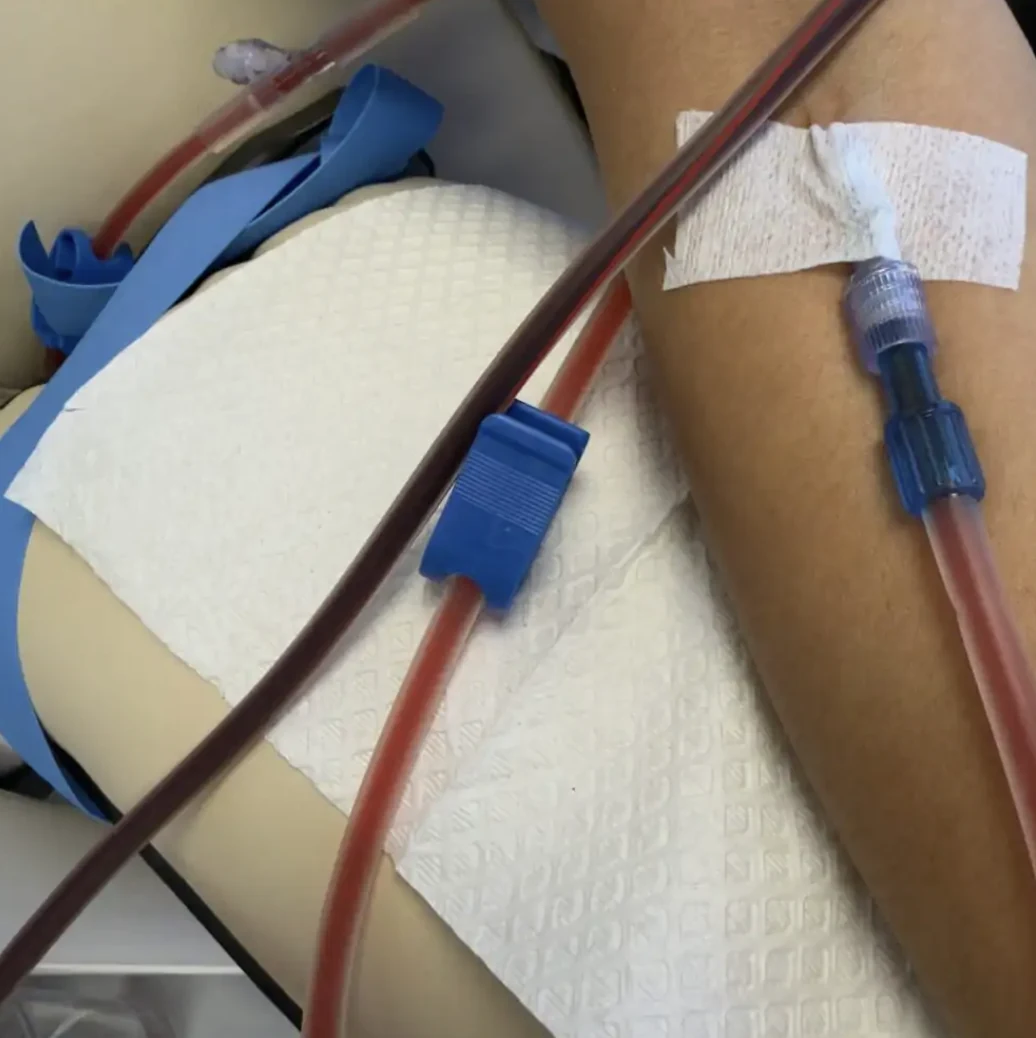
EBO3 Therapy is performed through a controlled extracorporeal circuit. A defined amount of blood is circulated through specialized equipment according to the prescribed protocol, then returned during the session. The approach is designed to support oxygenation-focused wellness, recovery support, and detox pathway support under physician supervision.
HBOT, also called oxygen chamber therapy, involves resting inside a pressurized chamber while breathing oxygen. Increased ambient pressure changes how oxygen is carried in the body. In a wellness setting, it is commonly considered by clients focused on recovery, performance, cognitive wellness, healthy aging, or travel-related fatigue.
Neither service is a universal replacement for the other. The appropriate choice depends on your health history, goals, comfort with the treatment format, schedule, and the recommendations made during a private consultation.
What Is EBO3 Therapy?
EBO3 Therapy is the primary name used for EBO2 Therapy and Wellness's advanced oxygenation service. It may also appear in searches as EBOO Therapy, EBO2 Therapy, EBO Therapy, or EBO treatment. While terminology varies, the defining feature is an extracorporeal process: blood is managed through a sterile medical circuit as part of a carefully structured provider-guided session.
The intent is not to make broad claims about cleansing blood or removing all toxins. Instead, EBO3 Therapy is designed to support oxygenation-focused wellness, cellular vitality, recovery support, and the body's natural detox pathways within an individualized plan. The specific device configuration, session duration, amount processed, and use of adjunctive therapies should be explained before care begins, as protocols vary by person and provider.
For many high-performing clients, the appeal is the level of personalization. A protocol may be considered alongside IV therapy, glutathione support, NAD+ therapy, red light therapy, peptides, or a broader longevity-focused strategy. That does not mean every modality belongs in every plan. A measured approach is more appropriate than stacking advanced services without a clear clinical rationale.
What an EBO3 Session May Involve
After screening and treatment planning, a qualified clinical team establishes access and monitors the client throughout the procedure. Because EBO3 Therapy involves a blood-based extracorporeal circuit, it is inherently more involved than sitting in an oxygen chamber. Clients should expect a private, medically supervised appointment rather than a walk-in wellness service.
Some people prefer EBO3 Therapy when they are seeking a highly customized, procedure-based approach to oxygenation and recovery support. Others may find that HBOT better fits their preferences because it does not require intravenous access. Comfort, medical history, and practical logistics all matter.
What Is Hyperbaric Oxygen Therapy?
Hyperbaric oxygen therapy, commonly shortened to HBOT, uses a pressurized chamber to increase the amount of oxygen available for the body to carry. During a session, the client reclines in the chamber and breathes oxygen according to the prescribed protocol. Pressure changes are gradual, and clients may need to equalize ear pressure during compression and decompression.
For wellness-oriented clients, HBOT is often included in discussions around recovery support, performance optimization, cognitive wellness, and healthy aging. It can be an appealing option for athletes after demanding training blocks, executives managing extensive travel, or clients who value a quiet, noninvasive treatment environment.
HBOT is not simply an upgraded version of standard oxygen. The chamber pressure is fundamental to the experience and to how oxygen is delivered. That is why chamber type, pressure protocol, session schedule, and medical oversight deserve more attention than a generic oxygen-bar comparison would suggest.
What an HBOT Session Feels Like
Most of the session is restful. Clients typically lie down, listen to audio, or simply take time away from a demanding schedule. The most noticeable part is usually the pressure transition, which can create ear fullness similar to an airplane descent. A trained team provides instructions for pressure equalization and monitors comfort throughout the session.
HBOT may be more convenient for clients who prefer not to have blood drawn or who want a treatment that fits into a quieter recovery routine. However, a chamber is not appropriate for everyone, and screening is required before beginning a protocol.
EBO3 Therapy Versus HBOT: The Practical Differences
The two services overlap in their oxygenation-focused intent, but their delivery methods are fundamentally different. EBO3 Therapy is an extracorporeal procedure with direct clinical handling of blood through specialized equipment. HBOT is a chamber-based experience in which the client breathes oxygen under pressure.
That distinction affects appointment flow. EBO3 Therapy generally requires vascular access, closer procedural monitoring, and a longer clinical setup. HBOT generally involves chamber preparation, pressure equalization, and a more passive treatment experience. Clients with a strong preference for one format should say so during consultation, although preference should never override appropriate medical screening.
The therapies can also differ in how they fit into a larger protocol. An EBO3 plan may be discussed when a client is seeking a more intensive, clinician-managed wellness intervention. HBOT may be considered as a repeatable recovery-focused modality that integrates more easily around training, travel, and work demands. In some cases, a provider may recommend neither, or may sequence services rather than combine them at once.
Who May Be Interested in Each Option?
EBO3 Therapy may appeal to clients seeking an advanced, private procedure that emphasizes individualized oxygenation support and cellular wellness. It is often of interest to longevity-focused clients who are already accustomed to physician-guided IV therapies or more involved concierge wellness protocols.
HBOT may appeal to clients looking for a noninvasive oxygen chamber experience to support recovery, performance, or a structured wellness routine. It can also suit clients who value the restorative pace of a chamber session and prefer to avoid IV access.
In either case, goals should be specific. “More energy” can mean many things: insufficient sleep, travel strain, training load, nutritional gaps, medication effects, stress, or an underlying medical concern. A high-quality consultation looks beyond the requested modality and asks what the client is actually trying to improve.
Safety and Screening Are Part of the Service
Advanced wellness therapies require more than a treatment menu. At EBO2 Therapy and Wellness, care is consultation-based and physician-supervised, with screening required before a personalized protocol is considered.
For EBO3 Therapy, screening may include review of medications, vascular access considerations, blood-related history, current health status, and relevant laboratory information. For HBOT, the consultation may address ear or sinus concerns, certain lung conditions, pressure tolerance, claustrophobia, recent procedures, and medication considerations. An untreated pneumothorax, for example, requires careful medical attention and is a significant consideration for hyperbaric treatment.
Clients should disclose all diagnoses, prescriptions, supplements, recent surgeries, pregnancy status, and changes in health. This is not administrative detail. It helps the clinical team determine whether a therapy is appropriate, whether timing should change, or whether another wellness strategy may be more suitable. Results vary, and no advanced therapy should be presented as a cure or guaranteed outcome.
Choosing the Right Oxygenation-Focused Plan
The best choice is rarely determined by a single comparison chart. If you want a noninvasive, chamber-based experience and are interested in repeatable recovery support, HBOT may be the more natural starting point. If you are considering a more involved extracorporeal procedure and want a highly tailored, provider-guided protocol, EBO3 Therapy may warrant discussion.
Some clients use these services at different times rather than viewing them as competitors. A demanding travel season, athletic event calendar, laboratory findings, recovery needs, and lifestyle capacity can all influence the plan. The most sophisticated longevity strategy is not the one with the most interventions. It is the one that is appropriate, monitored, and aligned with the client's actual goals.
EBO2 Therapy and Wellness offers private consultations in Rancho Palos Verdes and West Palm Beach for clients seeking physician-supervised advanced wellness therapies. A thoughtful conversation about your history, priorities, and tolerance for each treatment format is the right place to begin.
Ready to talk with our team?
Book a complimentary consultation at our Rancho Palos Verdes or West Palm Beach clinic.
Request a ConsultationRelated services
EBO3 is a clinic-branded wellness protocol. These references describe ozone's regulatory context and the state of the published evidence; they do not establish EBO3 as a treatment for any disease, and ozone therapy is not FDA-approved. Published EBOO/ozone literature is heterogeneous, largely preliminary or uncontrolled, and mostly of low or very-low certainty.
- 21 CFR § 801.415 — Federal regulation on ozone (labeling context)
eCFR (U.S. Electronic Code of Federal Regulations)
Federal labeling regulation for medical devices generating ozone. Regulatory context only; does not indicate FDA approval of ozone as a therapy.
- Bocci V. Ozone as Janus: this controversial gas can be either toxic or medically useful
Mediators of Inflammation (PMID 16156950)
Narrative review discussing extracorporeal blood oxygenation with ozone (EBOO) and related ozone modalities. Evidence at the time was preliminary and largely uncontrolled — insufficient to validate EBOO for any disease indication.
- Umbrella review of ozone therapy across clinical indications
Medical Sciences (DOI 10.3390/medsci14020289)
Umbrella review of systematic reviews of ozone therapy across multiple indications. Findings are heterogeneous with most conclusions rated low or very-low certainty; overall evidence remains insufficient to establish general clinical efficacy.
- Smith NL et al. Ozone therapy: an overview of pharmacodynamics, current research, and clinical utility
Medical Gas Research (PMID 29152215)
Peer-reviewed overview of ozone therapy noting that the current clinical evidence base is heterogeneous and further rigorous study is needed.
References describe general evidence, safety, or regulatory context. They do not establish an individual benefit for any specific person, and they do not validate EBO2's proprietary clinic protocols.
- How Plasma Exchange Works: A Clinical Overview
- Does EBO3 Support Travel Recovery After Flying?
- Hyperbaric Oxygen Therapy for Recovery Support
- Plasma Exchange Versus Plasmapheresis Explained
- NAD Infusion Versus Supplements: Which Fits?
- What Does a NAD Infusion Session Involve?
- Advanced IV Therapy Guide for Personalized Care
Related reading
More from the EBO2 Therapy and Wellness library.

NAD Infusion Versus Supplements: Which Fits?
NAD infusion versus supplements: compare delivery, pace, screening, and practical fit for a personalized cellular wellness and recovery plan for clients.
ReadWhat Does a NAD Infusion Session Involve?
Considering NAD infusion? Learn what a physician-supervised NAD+ IV session involves, who may qualify, and how personalized plans support recovery goals.
ReadAdvanced IV Therapy Guide for Personalized Care
This advanced IV therapy guide explains consultation-based infusions, screening, what to expect, and personalized care for recovery and cellular wellness
ReadMedical Disclaimer: Information on this website is for educational purposes only and is not intended to diagnose, treat, cure, or prevent any disease. It is not a substitute for medical advice. Individual results vary. Consult a qualified healthcare provider before beginning any treatment.