A demanding travel calendar, intense training block, or prolonged period of high output can leave even highly health-conscious people looking for more thoughtful recovery support. The question of NAD infusion versus supplements is not simply about choosing the strongest option. It is about selecting the delivery method, level of oversight, pace, and protocol that make sense for your goals, health history, and lifestyle.
Quick Answer: NAD Infusion Versus Supplements
NAD+ infusions and NAD-focused supplements are designed around the same broad cellular wellness conversation, but they are fundamentally different experiences. An NAD+ IV infusion delivers NAD+ intravenously in a clinical setting, while supplements are taken orally and commonly contain NAD+ precursors such as nicotinamide riboside (NR), nicotinamide mononucleotide (NMN), or forms of vitamin B3.
For clients seeking a direct, provider-guided experience with monitored administration, an infusion may be the more appropriate discussion. For those looking for a lower-commitment, daily routine that can fit around work, travel, and training, supplements may be worth considering. Neither approach is universally better. The appropriate choice depends on screening, tolerance, priorities, budget, and the broader wellness plan.
What NAD+ Is and Why Delivery Method Matters
NAD+, short for nicotinamide adenine dinucleotide, is a coenzyme involved in many normal cellular processes, including energy metabolism and cellular signaling. It naturally occurs in the body, and its availability can be influenced by age, nutritional status, lifestyle, and physiologic demands.
The practical distinction is delivery. With an IV infusion, NAD+ enters the bloodstream under clinical supervision. With an oral product, the digestive system processes the supplement before its components are absorbed and used in the body. That does not make one method inherently superior for every person, but it does change the timing, convenience, cost, and level of monitoring involved.
A thoughtful conversation should also separate biological interest from outcome aims for. NAD+ therapies and supplements are used in longevity and performance-focused wellness settings to support cellular vitality, energy support, and recovery support. Individual responses vary, and these approaches are not a substitute for medical care, sleep, nutrition, movement, or evaluation of persistent symptoms.
NAD+ Infusions: A Clinical, Personalized Option
NAD+ infusion therapy is administered intravenously in a monitored setting. The pace can be adjusted, and the session is typically planned around the client’s comfort, health profile, and provider guidance. Unlike a supplement routine, an infusion requires dedicated time and is generally delivered over several hours rather than minutes.
This format may appeal to people who prefer a focused wellness appointment instead of another daily product. Executives navigating sustained travel, athletes planning around demanding events, and clients beginning a broader longevity-focused protocol may value the structure of a supervised session. Some also appreciate having a provider assess how the treatment fits alongside other advanced wellness therapies, medications, hydration needs, and recovery priorities.
The direct nature of IV administration is also why screening matters. NAD+ infusions can feel uncomfortable for some individuals, particularly when administered too quickly. Sensations such as nausea, chest or abdominal tightness, headache, cramping, or general discomfort may occur. A provider-guided setting allows the rate to be modified and the client to be observed throughout the session.
At EBO2 Therapy and Wellness, NAD+ therapy is approached as a consultation-based service rather than a one-size-fits-all menu item. The objective is not to promise a dramatic transformation from a single session. It is to determine whether NAD+ therapy belongs within a personalized protocol designed around cellular wellness, recovery support, and sustainable performance goals.
NAD Supplements: Convenient, Gradual, and Less Supervised
Oral NAD-focused supplements are typically used as part of a daily wellness routine. Most do not contain intravenous NAD+ itself. Instead, they use ingredients intended to support the body’s NAD-related pathways, including NR, NMN, niacin, or nicotinamide. Formulations, dosages, purity standards, and supporting ingredients can vary considerably between brands.
The obvious advantage is convenience. Supplements travel easily, do not require an appointment, and usually cost less upfront than an infusion series. For a client who values consistency and prefers to make incremental adjustments to an already strong nutrition, fitness, and sleep routine, this may be a practical starting point.
The trade-off is that oral products do not offer the same immediate clinical oversight. They also require discipline. A supplement taken inconsistently, selected solely by marketing claims, or layered carelessly with multiple other products can add expense without a clear plan. People taking prescription medications, managing a medical condition, or considering higher-dose formulations should discuss those decisions with a qualified clinician.
Supplements may also produce unwanted effects. Depending on the ingredient and dose, some people report digestive discomfort, flushing, headaches, or changes in how they feel during exercise or sleep. “Over the counter” does not automatically mean appropriate for every person.
How to Choose Between an Infusion and a Supplement
The best choice often comes down to what you are trying to solve operationally, not just biologically. If you want a structured clinical experience, have a defined recovery window, or prefer hands-on guidance, an infusion may align with your preferences. If your priority is a simple daily routine and you are comfortable with a gradual, self-managed approach, supplements may be a better fit.
Consider your timeline as well. A person preparing for a demanding work period may want a private consultation that addresses hydration, sleep disruption, travel strain, and recovery support as a whole. Someone with stable habits who wants to refine a long-term wellness routine may prefer to start with nutrition, training recovery, and a carefully selected supplement strategy.
Cost and commitment are legitimate factors. NAD+ infusions involve clinical time, supplies, screening, and provider oversight. Supplements are generally less expensive per use, but quality products can still represent a meaningful ongoing investment. The right comparison is not a single infusion versus a single bottle. It is the value of each approach within a realistic plan you can maintain.
Can NAD+ Infusions and Supplements Be Used Together?
In some cases, a provider may discuss both options as part of a broader personalized protocol. For example, an infusion could be considered for periodic, supervised wellness support while a supplement routine is evaluated for day-to-day consistency. That decision should not be automatic, and more is not always better.
A coordinated plan should account for other therapies, lifestyle inputs, medications, and goals. For some clients, the most useful next step may not be NAD+ at all. Hydration-focused IV therapy, glutathione support, hyperbaric oxygen therapy, red light therapy, targeted nutrition changes, or simply better recovery boundaries may be more relevant to the current objective.
Safety, Screening, and Realistic Expectations
NAD+ therapy and supplements should be approached with the same discernment used for any advanced wellness decision. Screening is required for IV therapy, and a clinician should review relevant medical history, medications, sensitivities, current symptoms, and wellness objectives before making recommendations.
NAD+ infusions are not intended to diagnose, treat, cure, or may support resilience against disease. They are not a replacement for primary care, specialist care, or evaluation of new or concerning symptoms. Clients should be especially cautious about attributing persistent fatigue, cognitive changes, exercise intolerance, or sleep disruption to a simple need for “more NAD.” Those concerns may warrant medical evaluation.
Evidence around NAD biology is active and evolving, while individual wellness outcomes remain variable. A medically responsible protocol recognizes that uncertainty. It focuses on appropriate selection, monitored administration when applicable, and measurable lifestyle foundations rather than exaggerated promises.
Private NAD+ Consultation in Rancho Palos Verdes and West Palm Beach
For clients in Southern California and South Florida seeking a more tailored approach, EBO2 Therapy and Wellness offers physician-supervised, private consultations in Rancho Palos Verdes and West Palm Beach. The conversation begins with your goals, current routine, health considerations, and desired level of support.
The most sophisticated choice is rarely the one with the biggest claim. It is the approach that fits your physiology, schedule, and standards for care - with clear expectations, appropriate screening, and a protocol built for the way you actually live.
Ready to talk with our team?
Book a complimentary consultation at our Rancho Palos Verdes or West Palm Beach clinic.
Request a ConsultationRelated services
Preclinical rationale for NAD metabolism does not establish clinical effectiveness of IV or IM NAD+ for anti-aging or general wellness. Compounded NAD+ preparations must be prepared with ingredients suitable for sterile compounding.
- FDA — reminder to compounders to use ingredients suitable for sterile compounding
U.S. Food & Drug Administration
FDA safety guidance on sterile compounding standards relevant to compounded NAD+ preparations. Regulatory context only; not a benefit statement.
- PRISMA systematic review of intravenous / intramuscular NAD+ for anti-aging and wellness
Peer-reviewed systematic review (PMID 41655607)
Systematic review reporting no eligible outcomes trials of IV/IM NAD+ for anti-aging or wellness endpoints; effectiveness remains inconclusive.
References describe general evidence, safety, or regulatory context. They do not establish an individual benefit for any specific person, and they do not validate EBO2's proprietary clinic protocols.
Related reading
More from the EBO2 Therapy and Wellness library.

What Does a NAD Infusion Session Involve?
Considering NAD infusion? Learn what a physician-supervised NAD+ IV session involves, who may qualify, and how personalized plans support recovery goals.
ReadAdvanced IV Therapy Guide for Personalized Care
This advanced IV therapy guide explains consultation-based infusions, screening, what to expect, and personalized care for recovery and cellular wellness
Read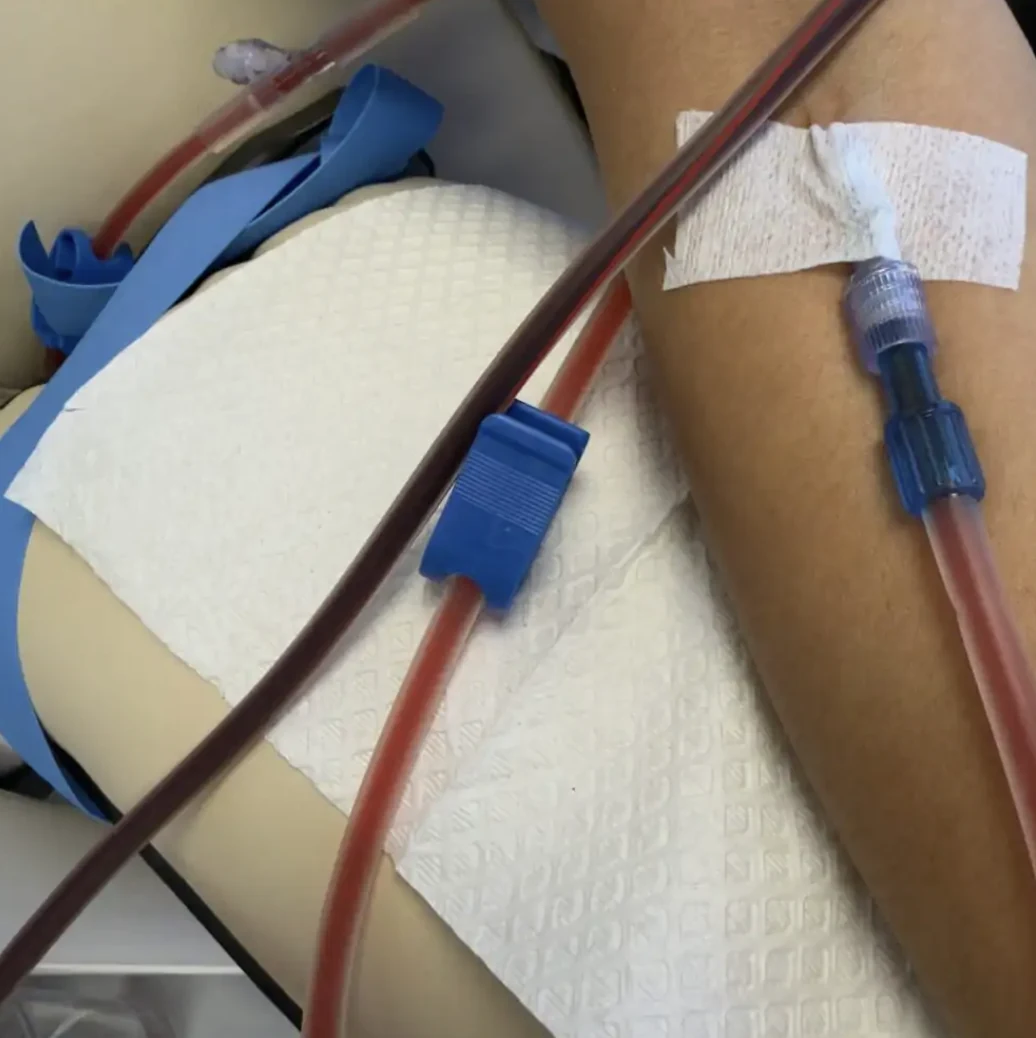
What Does EBO Treatment Involve? A Clinical Look
What does EBO treatment involve? Learn how physician-supervised EBO3 Therapy is planned, administered, screened, and personalized for wellness goals.
ReadMedical Disclaimer: Information on this website is for educational purposes only and is not intended to diagnose, treat, cure, or prevent any disease. It is not a substitute for medical advice. Individual results vary. Consult a qualified healthcare provider before beginning any treatment.