A search for ozone therapy near me should lead to more than the closest appointment. This is a consultation-based wellness service that warrants thoughtful screening, clear clinical standards, and a protocol built around your goals, health history, and tolerance. For clients seeking oxygenation-focused care, recovery support, or a more considered longevity plan, the quality of provider oversight matters as much as location.
Considering Ozone Therapy? Explore our full Ozone Therapy program at EBO2 Therapy and Wellness — learn more →
Quick Answer: How to Choose Ozone Therapy Near Me
Ozone therapy is a wellness modality that uses a carefully prepared oxygen-ozone mixture within specific provider-directed protocols. It may be incorporated into a broader plan designed to support cellular wellness, recovery, oxygenation-focused goals, and detox pathway support. It is not a substitute for diagnosis, emergency care, or disease-specific medical treatment.
The right local provider should begin with a private consultation rather than a menu of one-size-fits-all sessions. They should explain the proposed approach in plain language, review relevant health information and medications, discuss potential limitations, and make clear that screening is required and results vary.
For a private, physician-supervised experience, EBO2 Therapy and Wellness serves clients in Rancho Palos Verdes, California, and West Palm Beach, Florida. The practice is designed for people who value advanced wellness therapies delivered with discretion, clinical judgment, and individualized planning.
Also Known As: Ozone Therapy, EBO Therapy, and EBO3 Therapy
Search terminology can be confusing. Depending on the method and local search habits, people may look for ozone therapy, EBO therapy, EBO2 therapy, EBOO therapy, or EBO treatment. These phrases are sometimes used broadly online, but they do not necessarily describe the same process, technology, or level of medical oversight.
At a premium longevity practice, the more useful question is not simply which term appears in a search result. It is what protocol is being considered, why it may fit your objectives, and who is guiding the decision. EBO3 Therapy is the primary advanced oxygenation service used within a provider-guided wellness framework. A consultation should distinguish this service from other ozone-related approaches rather than treating every term as interchangeable.
Who May Be Interested in a Provider-Guided Protocol?
Clients commonly explore ozone-focused wellness services when they want a more structured approach to recovery support, energy support, performance optimization, healthy aging, or cellular vitality. Frequent travelers, executives with demanding schedules, athletes, and health-conscious adults may also be interested in protocols that complement a broader longevity-focused routine.
Interest alone does not establish candidacy. A qualified provider considers your current goals alongside medical history, medications, prior reactions to therapies, hydration status, and the broader care plan you are already following. For some people, a different service or a staged approach may be more appropriate.
That distinction is particularly relevant for clients who arrive expecting a single therapy to address every concern. Personalized wellness care is often more deliberate. A provider may recommend beginning with foundational support, such as IV therapy or recovery-oriented services, before considering a more advanced oxygenation-focused protocol. Others may benefit from pairing services strategically, with appropriate intervals and ongoing reassessment.
What a Private Consultation Should Include
A credible ozone therapy consultation should feel measured, not rushed. The first conversation is an opportunity to define what you are looking to support and to assess whether the proposed service aligns with that objective.
Your provider should ask about relevant health history, prescription and supplement use, prior wellness treatments, travel demands, exercise patterns, and current recovery capacity. They should also explain what the session may involve, what sensations or short-term responses can occur, and when to contact the clinical team after a visit.
The protocol itself should be specific. That means discussing session cadence, whether complementary therapies may be considered, and how the plan will be adjusted over time. A concierge practice does not assume that more sessions are always better. It uses feedback, tolerance, and evolving goals to guide decisions.
Privacy also has practical value. Clients with complex schedules often prefer a setting where care is coordinated, appointments are intentional, and conversations remain focused on their individual wellness priorities rather than a high-volume treatment floor.
Safety and Screening Matter More Than Marketing
Ozone therapy should never be selected solely because a clinic promises dramatic outcomes. Responsible wellness providers avoid cure claims and do not present the service as a universal answer to fatigue, aging, inflammation, infection, or chronic health concerns.
Screening is required because individual circumstances affect whether a protocol is appropriate. The provider should review contraindications, risk factors, and the suitability of the intended method before treatment. If there are questions that require evaluation by your primary physician or a specialist, a responsible practice should say so.
Be cautious when a provider does any of the following:
- Recommends treatment without reviewing your health history or medications.
- Promises to cure, reverse, or prevent a medical condition.
- Uses vague language about “cleaning” or “detoxing” blood without explaining the actual protocol.
- Pressures you into prepaid packages before establishing candidacy.
- Cannot explain who supervises care or what follow-up support is available.
The goal is not to create unnecessary concern. It is to make sure an advanced wellness decision receives an appropriate level of clinical attention. The best experience is one where you understand both the intended wellness rationale and the boundaries of the service.
Looking Locally: Convenience Without Compromising Standards
When searching locally, proximity is useful, but it should not be the deciding factor. A nearby office may be convenient for ongoing visits, yet experience, privacy, physician supervision, and quality of consultation deserve equal weight.
In Southern California, clients from Palos Verdes, the South Bay, Los Angeles, Orange County, and nearby coastal communities may seek a private setting that fits demanding professional and personal schedules. In South Florida, clients from Palm Beach, Palm Beach Gardens, Jupiter, Boca Raton, Delray Beach, and surrounding communities often look for the same combination of discretion and provider-guided longevity planning.
If you travel regularly, ask how the clinic handles continuity. A personalized protocol should account for time zones, training cycles, work demands, and recovery periods rather than assuming a fixed schedule works for everyone.
Related Therapies to Discuss With Your Provider
Ozone-focused care may be one part of a wider cellular wellness strategy. Depending on your goals and screening, a provider may discuss EBO3 Therapy, IV therapy, NAD+ therapy, glutathione support, hyperbaric oxygen therapy, red light or near-infrared therapy, peptide therapy, or a CTOI Cellular Optimization Report.
For clients seeking more comprehensive longevity planning, Therapeutic Plasma Exchange, also called TPE or plasma exchange, may be a separate conversation. It has distinct clinical considerations and should not be grouped casually with every recovery service. The same applies to regenerative biologics consultations, which require careful assessment and clear expectations.
The value of an integrated practice is not that every client needs every modality. It is that the provider can determine which options may complement your priorities, which are unnecessary, and which should wait.
Questions to Ask Before Booking
Before selecting a provider for ozone therapy near you, ask who performs or supervises the service, what screening is required, and how the recommended protocol is tailored. Ask how the team responds if you experience an unexpected reaction or have questions after your appointment.
It is also reasonable to ask whether the provider sees ozone therapy as a standalone offering or as one component of a broader plan. A thoughtful answer should acknowledge that outcomes vary and that the right approach depends on the person, the protocol, and the goals being pursued.
Is ozone therapy right for everyone?
No. Candidacy depends on individual health factors, medications, wellness goals, and the protocol under consideration. A private provider consultation is the appropriate starting point.
How many sessions will I need?
There is no responsible universal answer. Some clients seek periodic recovery support, while others pursue a staged wellness plan. Session cadence should be determined after screening and adjusted according to your response and goals.
Can ozone therapy be combined with other wellness services?
In some cases, yes. Provider-guided protocols may include complementary services such as IV therapy, HBOT, or photobiomodulation. The sequence, timing, and suitability should be personalized rather than copied from a generic package.
A refined wellness plan begins with the right questions: what you want to support, what your health history calls for, and what level of oversight you expect. Choose the provider who is prepared to answer those questions with precision before recommending the next step.
Ready to talk with our team?
Book a complimentary consultation at our Rancho Palos Verdes or West Palm Beach clinic.
Request a ConsultationRelated services
EBO3 is a clinic-branded wellness protocol. These references describe ozone's regulatory context and the state of the published evidence; they do not establish EBO3 as a treatment for any disease, and ozone therapy is not FDA-approved. Published EBOO/ozone literature is heterogeneous, largely preliminary or uncontrolled, and mostly of low or very-low certainty.
- 21 CFR § 801.415 — Federal regulation on ozone (labeling context)
eCFR (U.S. Electronic Code of Federal Regulations)
Federal labeling regulation for medical devices generating ozone. Regulatory context only; does not indicate FDA approval of ozone as a therapy.
- Bocci V. Ozone as Janus: this controversial gas can be either toxic or medically useful
Mediators of Inflammation (PMID 16156950)
Narrative review discussing extracorporeal blood oxygenation with ozone (EBOO) and related ozone modalities. Evidence at the time was preliminary and largely uncontrolled — insufficient to validate EBOO for any disease indication.
- Umbrella review of ozone therapy across clinical indications
Medical Sciences (DOI 10.3390/medsci14020289)
Umbrella review of systematic reviews of ozone therapy across multiple indications. Findings are heterogeneous with most conclusions rated low or very-low certainty; overall evidence remains insufficient to establish general clinical efficacy.
- Smith NL et al. Ozone therapy: an overview of pharmacodynamics, current research, and clinical utility
Medical Gas Research (PMID 29152215)
Peer-reviewed overview of ozone therapy noting that the current clinical evidence base is heterogeneous and further rigorous study is needed.
References describe general evidence, safety, or regulatory context. They do not establish an individual benefit for any specific person, and they do not validate EBO2's proprietary clinic protocols.
Related reading
More from the EBO2 Therapy and Wellness library.

Plasma Exchange Versus Plasmapheresis Explained
Plasma exchange versus plasmapheresis: learn how these terms differ, what a TPE procedure involves, and why clinical screening and guidance matter most.
Read
Concierge IV Therapy Guide: What to Expect
This concierge IV therapy guide explains screening, personalized protocols, infusion visits, and when physician-supervised care may be the right fit now.
Read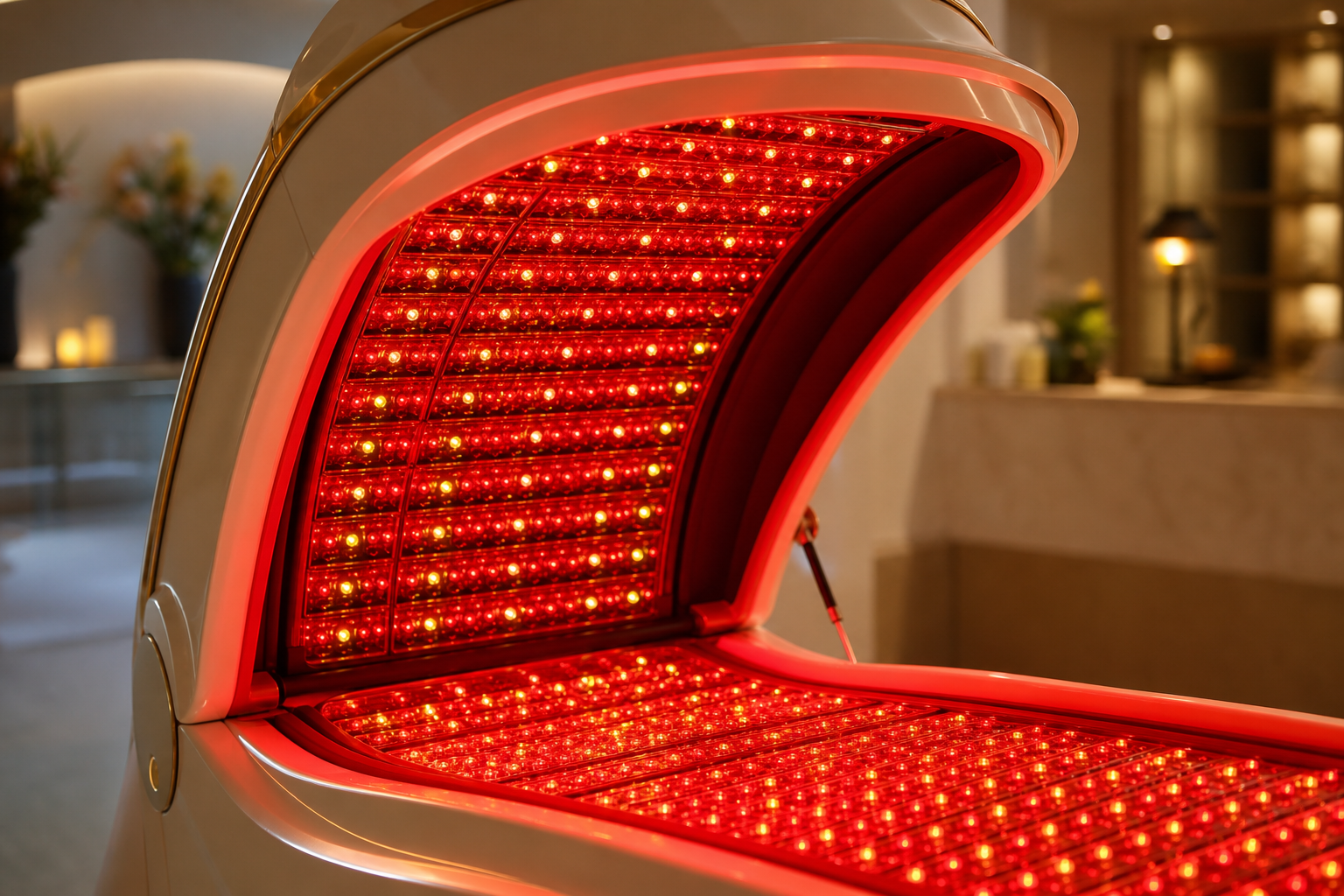
Near Infrared Therapy Benefits: What to Know
Explore near infrared therapy benefits, what photobiomodulation sessions involve, who may be a fit, and why screening and personalized protocols matter.
ReadMedical Disclaimer: Information on this website is for educational purposes only and is not intended to diagnose, treat, cure, or prevent any disease. It is not a substitute for medical advice. Individual results vary. Consult a qualified healthcare provider before beginning any treatment.