Cellular longevity is not a promise to stop aging. It is a practical way to think about how well the body’s cells maintain energy production, repair processes, communication, and resilience over time. For people with demanding careers, extensive travel schedules, athletic goals, or a strong interest in healthy aging, the question is less about pursuing one dramatic intervention and more about building a measured, personalized plan that supports the biological foundations of long-term vitality.
Quick Answer: What Is Cellular Longevity?
Cellular longevity refers to the ability of cells to continue functioning efficiently and adaptively as the years pass. Cells must generate energy, respond to stress, remove or recycle damaged components, maintain membranes, and coordinate with surrounding tissues. These processes naturally change with age, lifestyle demands, sleep disruption, nutritional status, environmental exposures, and health history.
A longevity-focused approach aims to identify where support may be appropriate and then improve the conditions that influence day-to-day cellular wellness. It is not a diagnosis, and it should not be framed as a cure for disease. Instead, it is a planning lens for clients who want to support recovery, energy, performance, cognitive wellness, and healthy aging with a more disciplined level of attention.
Why Cellular Function Matters Before Symptoms Become the Focus
Many high-performing adults are accustomed to pushing through fatigue, inconsistent sleep, travel strain, or a prolonged plateau in training recovery. The body can compensate for a great deal, often for years. But compensation is not the same as optimal capacity.
Cellular wellness matters because energy, recovery, and resilience are built from the bottom up. Mitochondria help produce cellular energy. Cellular membranes help regulate what enters and exits the cell. Antioxidant systems help manage normal oxidative stress. Repair and recycling pathways help maintain cellular order. No single metric fully captures these functions, and no individual therapy can responsibly be expected to address all of them.
That nuance is especially relevant in longevity care. The best protocol for a frequent traveler with poor sleep may look very different from the protocol for an endurance athlete navigating intense training blocks or an executive seeking a more structured approach to wellness. Cellular longevity is personal because the pressures placed on the body are personal.
The Core Inputs That Shape Cellular Longevity
The most sophisticated wellness plan still depends on fundamentals. Sleep quality, adequate protein and micronutrient intake, movement, resistance training, cardiovascular conditioning, metabolic health, stress management, hydration, and recovery habits remain central. Advanced therapies should complement these inputs, not substitute for them.
Sleep is particularly consequential. During consistent, high-quality sleep, the body coordinates recovery, hormonal signaling, and many housekeeping processes that affect next-day performance. Chronic sleep restriction can make even an otherwise thoughtful longevity plan less productive.
Exercise creates a useful example of the trade-off involved. Appropriately dosed training can support metabolic flexibility, cardiovascular capacity, and muscular adaptation. Too much intensity, too little recovery, or inadequate nutrition can produce the opposite experience: persistent soreness, reduced performance, poor sleep, and a sense of diminished reserve. The right amount depends on the person, their baseline, and their current goals.
Nutrition follows the same principle. A restrictive protocol may suit one client for a limited purpose yet be counterproductive for another person with a high training load, extensive travel, or nutritional gaps. Personalized planning is more useful than adopting every new longevity trend at once.
Where Advanced Wellness Therapies May Fit
For clients who have established their fundamentals and want a more comprehensive, provider-guided strategy, advanced wellness therapies may offer additional support. The appropriate role of any therapy depends on medical history, medications, goals, laboratory findings when indicated, and the clinician’s assessment.
Oxygenation-focused services, including EBO3 Therapy, are often considered by clients seeking recovery support and cellular wellness within a physician-supervised setting. EBO3 Therapy may also appear in searches as EBOO Therapy, EBO2 Therapy, EBO Therapy, or EBO treatment. These terms are often used interchangeably online, but a private consultation is the right place to discuss what a specific protocol involves and whether it aligns with an individual wellness plan.
Other options may include IV Therapy for hydration and nutrient support, NAD+ Therapy for clients interested in energy-related wellness planning, and glutathione support as part of a broader strategy. Hyperbaric Oxygen Therapy, also called HBOT or oxygen chamber therapy, may be considered for oxygenation-focused wellness and recovery goals. Red light, near-infrared, and photobiomodulation sessions may fit clients seeking a noninvasive recovery-focused modality.
Therapeutic Plasma Exchange, often searched as TPE, plasmapheresis, or plasma exchange, is a more involved medical procedure that requires careful evaluation. It should never be presented as a general blood cleansing service or a casual add-on. When it is considered, clinical appropriateness, screening, and provider oversight are essential.
Peptide Therapy, regenerative biologics consultations, and stem cell or exosome consultations also require an especially thoughtful discussion of goals, eligibility, evidence limitations, sourcing, and regulatory context. Premium care is not defined by offering every option. It is defined by knowing when an option does and does not fit.
A Better Standard: Measure, Prioritize, Reassess
The longevity space can encourage a costly habit of stacking therapies without a clear rationale. A more intelligent approach begins with prioritization. What is the client actually trying to improve: training recovery, sustained energy, cognitive wellness, travel resilience, sleep consistency, or long-range healthy aging planning?
At EBO2 Therapy and Wellness, this process begins with a private, physician-supervised consultation rather than a menu-based recommendation. A CTOI™ Cellular Optimization Report may help organize relevant information into a more coherent discussion about cellular wellness priorities. The value is not in chasing a perfect score. It is in creating a clearer starting point and avoiding protocols built around guesswork.
After that, the plan should remain adaptable. A protocol that made sense during an intense quarter at work may need to change after a shift in travel, exercise volume, medication use, health status, or personal goals. Reassessment is a mark of good clinical judgment, not a lack of certainty.
Safety, Screening, and Honest Expectations
Advanced longevity care should feel considered, not rushed. Screening required means just that: a provider must review relevant history, medications, contraindications, and individual risk factors before recommending therapies. Some clients may be better served by foundational lifestyle changes, coordination with their primary medical team, conventional medical evaluation, or a simpler plan.
Clients should also expect honest conversations about limitations. Research quality differs across therapies and desired outcomes. Individual responses vary. Feeling more supported in recovery or energy is not the same as proving a treatment changes lifespan, may support resilience against disease, or reverses biological aging.
This distinction protects the client and improves decision-making. It allows advanced wellness therapies to be used with appropriate respect for both possibility and uncertainty.
Who May Be Interested in a Longevity-Focused Plan?
Cellular longevity planning may appeal to executives managing sustained cognitive demand, athletes seeking structured recovery support, frequent travelers navigating disrupted routines, and active adults who want a more private, personalized approach to healthy aging. It can also be relevant to people who feel generally well but want to organize their wellness investments around a deliberate long-term strategy.
The strongest candidates are usually not looking for a miracle. They are looking for a knowledgeable team, a discreet environment, and recommendations that make sense for their actual life. In Rancho Palos Verdes and West Palm Beach, concierge care offers the time and privacy to have that conversation properly.
Cellular longevity is ultimately less about chasing youth than protecting capacity: the capacity to train, think clearly, recover, travel, and remain engaged in the life you have built. A well-designed, provider-guided plan can help bring more discipline to that pursuit, with appropriate screening, realistic expectations, and room to adjust as your needs evolve.
Ready to talk with our team?
Book a complimentary consultation at our Rancho Palos Verdes or West Palm Beach clinic.
Request a ConsultationRelated services
Related reading
More from the EBO2 Therapy and Wellness library.
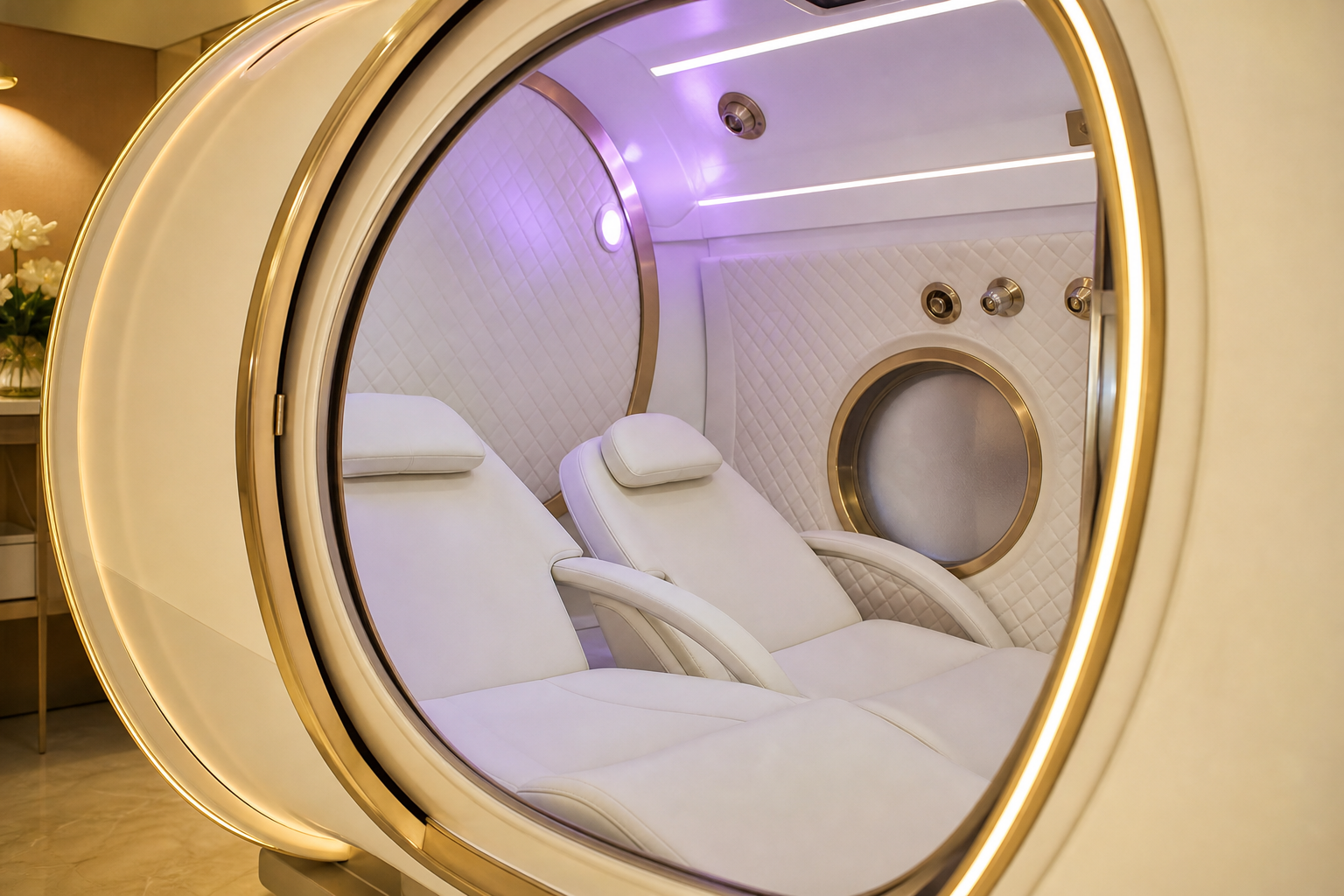
How to Prepare for HBOT Before Your First Session
Learn how to prepare for HBOT with physician-guided screening, chamber-day essentials, pressure-equalization tips, and personalized recovery planning.
Read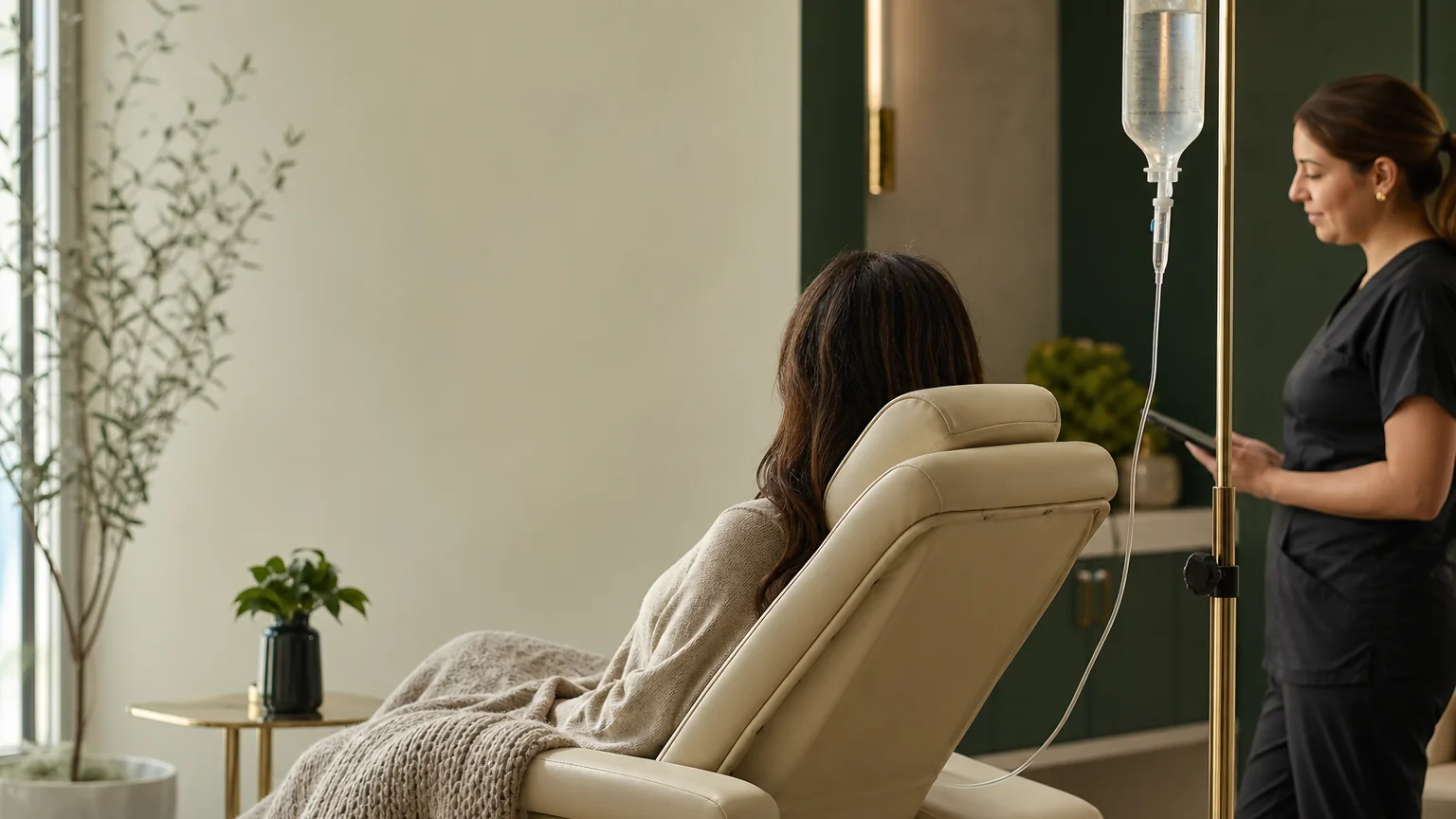
Best Options for Healthy Aging After 40
Explore the best options for healthy aging, from strength and sleep to physician-guided cellular wellness protocols tailored to your goals and lifestyle.
Read
Are Peptides Physician Supervised? What to Ask
Are peptides physician supervised? Learn when oversight matters, what screening involves, and how personalized peptide protocols are planned responsibly.
ReadMedical Disclaimer: Information on this website is for educational purposes only and is not intended to diagnose, treat, cure, or prevent any disease. It is not a substitute for medical advice. Individual results vary. Consult a qualified healthcare provider before beginning any treatment.