A private longevity practice should not begin with a menu of trends. For clients searching for the top physician guided biohacks, the differentiator is careful clinical judgment: selecting advanced wellness therapies according to goals, health history, current medications, travel demands, recovery needs, and the capacity to follow a plan consistently.
The most valuable biohacks are not necessarily the newest or most intensive. They are the interventions that fit the individual, are delivered with appropriate screening, and can be assessed over time. For an executive managing frequent travel, an athlete in a demanding training block, or an active adult focused on healthy aging, a provider-guided strategy brings discipline to an increasingly crowded wellness category.
Quick Answer: What Makes a Biohack Physician-Guided?
A physician-guided biohack is an advanced wellness therapy or protocol selected after a private consultation and appropriate screening. It is designed to support a defined wellness objective, such as oxygenation-focused support, cellular wellness, recovery support, energy support, or longevity planning, rather than promising to diagnose or treat a disease.
This distinction matters. A stand-alone wellness service may be convenient, but it cannot account for every relevant variable. Medical history, medications, baseline symptoms, recent procedures, cardiovascular considerations, and individual tolerance may all influence whether a therapy is appropriate and how it should be paced. Screening is required, and results vary.
How to Evaluate the Top Physician-Guided Biohacks
The right question is not, "Which biohack is best?" It is, "Which approach makes sense for my current goals and physiology?" A thoughtful protocol begins by defining the desired outcome. Better recovery after travel and intense work cycles is a different objective from building a long-term cellular wellness plan or seeking support around an athletic event.
It should also account for the level of intervention. Some clients begin with foundational IV support or red light therapy because they want a measured, repeatable introduction. Others may be candidates to discuss more involved modalities such as EBO3 Therapy, therapeutic plasma exchange, or hyperbaric oxygen therapy. More intensive does not automatically mean more suitable.
1. EBO3 Therapy for Oxygenation-Focused Wellness
EBO3 Therapy is an advanced, physician-supervised oxygenation-focused service that may be considered within a personalized cellular wellness protocol. It is sometimes searched as EBOO Therapy, EBO2 Therapy, EBO Therapy, or EBO treatment. The terminology varies online, but the essential consideration is the quality of oversight, screening, and protocol design.
Clients may be interested in EBO3 Therapy when seeking advanced recovery support, cellular vitality, or a structured wellness reset after periods of high demand. It is not a casual add-on. Consultation-based planning helps determine whether this modality aligns with the client's goals, relevant history, and schedule. The experience is typically more involved than a standard IV visit, which is precisely why physician supervision and a private clinical setting matter.
2. Therapeutic Plasma Exchange for Select Wellness Planning
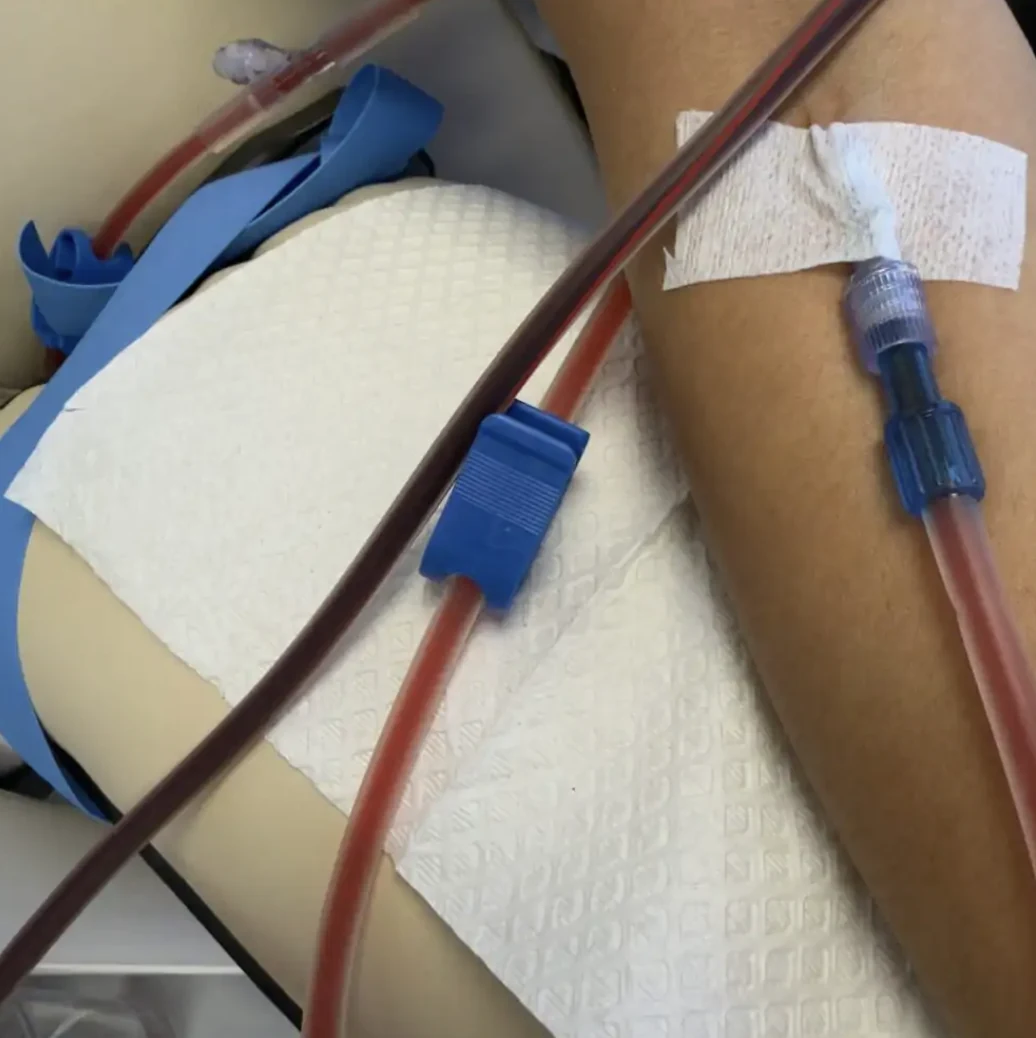
Therapeutic plasma exchange, also called TPE or plasmapheresis, is among the most sophisticated services discussed in longevity circles. In a wellness setting, it requires an especially careful conversation about candidacy, medical context, preparation, and follow-up.
Some clients exploring advanced longevity planning may ask about TPE as part of a broader provider-guided protocol. It should never be positioned as a universal answer or a shortcut. The treatment experience, scheduling commitment, screening needs, and recovery planning are substantial compared with lower-intensity therapies. For the appropriate client, a consultation can clarify what the service involves and whether it fits a larger, medically responsible strategy.
3. NAD+ and Targeted IV Therapy
IV therapy is often the most familiar entry point into personalized wellness care, but a premium protocol should be more thoughtful than choosing an infusion from a board. NAD+ Therapy and targeted nutrient IVs may support energy, recovery, hydration, and demanding travel or performance schedules when clinically appropriate.
Glutathione pushes and Methylene Blue IV may also be discussed within individualized plans. Each requires a review of medications, sensitivities, health history, and the intended role within the protocol. A client preparing for a major event may need a different approach than someone focused on ongoing wellness maintenance. The benefit of provider guidance is restraint as much as selection: not every ingredient or intervention belongs in every plan.
4. Hyperbaric Oxygen Therapy for Recovery Support
Hyperbaric Oxygen Therapy, commonly known as HBOT or oxygen chamber therapy, involves breathing oxygen in a pressurized chamber under an established protocol. It is often sought by clients interested in recovery support, performance optimization, and oxygenation-focused wellness.
HBOT can be appealing because sessions are quiet, structured, and easy to integrate into a high-performance routine. Yet it still requires appropriate screening. Ear and sinus comfort, pulmonary history, recent travel, and other individual factors can affect suitability. A provider-guided plan determines session frequency and how HBOT may be paired with other recovery-focused services rather than treating it as a one-size-fits-all ritual.
5. Red Light and Near-Infrared Photobiomodulation
Red light therapy, near-infrared therapy, and photobiomodulation are often among the more accessible modalities in a cellular wellness program. Clients may seek them for recovery support, physical performance routines, and healthy-aging objectives. Sessions are generally brief, but consistency and proper protocol design influence whether the experience is worthwhile.
This modality is often a sensible complement rather than the sole focus of a program. For example, a client may incorporate photobiomodulation between more comprehensive appointments or during periods of intensive training. The trade-off is that subtle, cumulative wellness strategies require patience. A physician-guided practice should set realistic expectations instead of implying dramatic immediate change.
6. Peptide Therapy and Regenerative Wellness Consultations
Peptide Therapy can be highly individualized and should always begin with a provider consultation. Interest may center on recovery, body composition goals, sleep routines, performance, or longevity-focused planning. However, the right pathway depends on the client's health profile, goals, and willingness to follow a monitored plan.
Regenerative biologics, stem cell consultation, and exosome consultation also warrant a particularly conservative, education-first approach. These are not interchangeable services, and they are not appropriate for every person. A high-trust practice explains what is known, what remains uncertain, what screening may be needed, and what a client can reasonably expect from a consultation.
Build a Protocol, Not a Collection of Treatments
The strongest longevity plans are coherent. They may begin with a CTOI™ Cellular Optimization Report and a private discussion of priorities, then organize therapies around a clear cadence. One client may benefit from a recovery-focused period involving HBOT, IV support, and red light therapy. Another may prioritize an oxygenation-focused strategy with EBO3 Therapy and carefully selected adjunct services.
Stacking therapies simply because they are available can create unnecessary complexity. Timing matters, especially for clients who travel frequently, train intensely, or have full executive schedules. A personalized protocol should identify what to start first, what to monitor, and when to reassess rather than trying to do everything at once.
Safety, Screening, and the Value of a Private Consultation
Advanced wellness therapies require informed participation. Before beginning, clients should disclose medical conditions, medications, supplements, allergies, surgical history, pregnancy status where relevant, and recent changes in health. Depending on the service, additional evaluation, laboratory review, or medical clearance may be appropriate.
A responsible provider also discusses practical considerations: appointment duration, potential discomforts, recovery time, when to postpone a session, and when a therapy may not be suitable. That level of dialogue is central to concierge care. It protects the client from trend-driven decisions and gives the provider enough context to refine the protocol over time.
EBO2 Therapy and Wellness provides consultation-based, physician-supervised advanced wellness therapies in Rancho Palos Verdes, California, and West Palm Beach, Florida. Clients from surrounding Southern California and South Florida communities often value the discretion, continuity, and individualized planning that a private setting can provide.
Common Questions About Physician-Guided Biohacking
Are physician-guided biohacks only for athletes or executives?
No. Athletes and executives often seek performance and recovery support, but active adults, frequent travelers, and clients focused on healthy aging may also be interested. The deciding factor is not lifestyle status. It is whether a personalized, consultation-based program aligns with the individual's wellness goals and screening profile.
Can several therapies be combined in one plan?
Often, yes, but the combination and timing should be provider-guided. Some therapies may complement one another, while others may need to be spaced apart or introduced gradually. A plan should reflect tolerance, schedule, budget, and the client's ability to assess how each intervention feels over time.
How quickly will I notice results?
Results vary. Some clients report that certain recovery-focused services fit well into their routine quickly, while other wellness objectives depend on consistent sessions and longer-term lifestyle support. No responsible practice should guarantee a particular outcome.
The most sophisticated biohack may be choosing a plan that is measured, well-screened, and realistic enough to maintain. A private consultation creates the space to make that decision with clarity rather than chasing the next trend.
Ready to talk with our team?
Book a complimentary consultation at our Rancho Palos Verdes or West Palm Beach clinic.
Request a ConsultationRelated services
Related reading
More from the EBO2 Therapy and Wellness library.

Plasma Exchange Versus Plasmapheresis Explained
Plasma exchange versus plasmapheresis: learn how these terms differ, what a TPE procedure involves, and why clinical screening and guidance matter most.
Read
Concierge IV Therapy Guide: What to Expect
This concierge IV therapy guide explains screening, personalized protocols, infusion visits, and when physician-supervised care may be the right fit now.
Read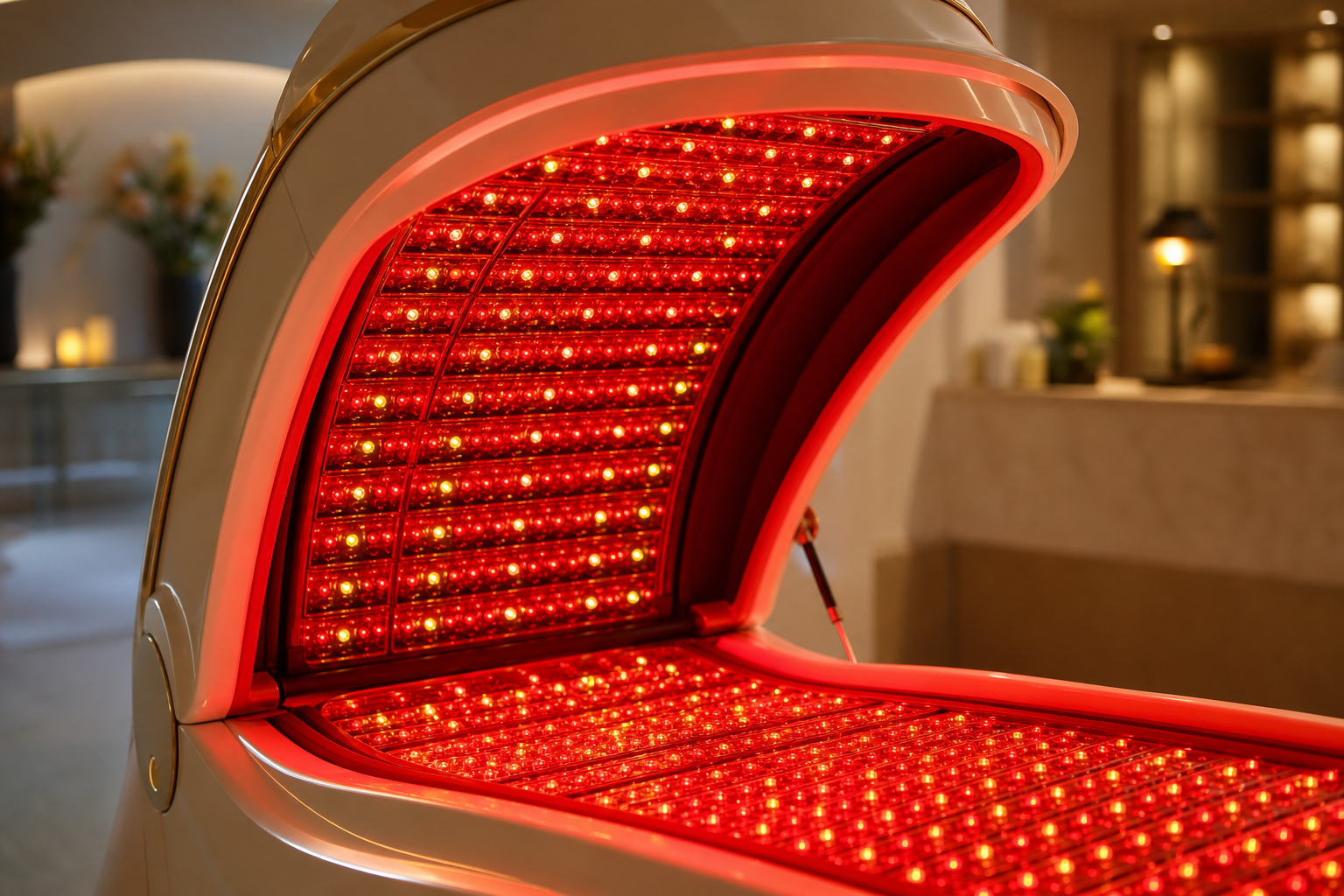
Near Infrared Therapy Benefits: What to Know
Explore near infrared therapy benefits, what photobiomodulation sessions involve, who may be a fit, and why screening and personalized protocols matter.
ReadMedical Disclaimer: Information on this website is for educational purposes only and is not intended to diagnose, treat, cure, or prevent any disease. It is not a substitute for medical advice. Individual results vary. Consult a qualified healthcare provider before beginning any treatment.