
For clients who already invest in sleep, training, nutrition, and thoughtful recovery, the question is more specific than whether a treatment is “good” or “bad”: can plasma exchange support wellness within a carefully designed longevity plan? It may have a place for select individuals, but it is not a casual wellness add-on, a universal solution, or a substitute for medical care.
Therapeutic plasma exchange is a clinical procedure with established medical uses in specific physician-diagnosed conditions. In a concierge wellness setting, discussions around plasma exchange should remain equally rigorous: centered on medical history, current medications, goals, laboratory context when appropriate, and candid consideration of risk, burden, and expected value.
Quick answer: can plasma exchange support wellness?
Therapeutic plasma exchange, or TPE, may support a personalized wellness strategy for appropriately screened clients who are seeking advanced recovery support, cellular wellness, or longevity-focused care. The procedure separates plasma from blood components and replaces the removed plasma with a clinically selected replacement fluid. Because plasma carries many circulating proteins and other substances, this exchange changes the composition of the plasma compartment for a period of time.
That mechanism is meaningful, but it should not be overstated. It does not “clean the blood,” remove every unwanted substance, or guarantee improvements in energy, cognition, performance, or healthy aging. Wellness outcomes can be subjective, and results vary. The quality of decision-making matters as much as the procedure itself.
What plasma exchange is also called
Plasma exchange is commonly referred to as therapeutic plasma exchange or TPE. Some people also search for plasmapheresis, although that term can be used more broadly for procedures involving plasma collection or separation. In a clinical conversation, it is helpful to clarify exactly which procedure is being considered, why it is being recommended, and what replacement fluid and monitoring approach are planned.
During TPE, blood is removed through vascular access and processed by specialized equipment. The plasma portion is separated from cellular components such as red blood cells, white blood cells, and platelets. The cellular components are returned with replacement fluid, often albumin-based or otherwise selected according to the clinical protocol. The process requires trained personnel, appropriate equipment, and real-time observation.
Where TPE may fit in a wellness plan
A sophisticated wellness plan should begin with the client, not a menu of therapies. An executive managing frequent travel and high training volume may have different priorities than an athlete in a demanding competitive season or an active adult focused on healthy aging. Plasma exchange may be considered as one component of a larger, provider-guided discussion rather than as a stand-alone answer.
For some clients, the appeal is the ability to take a more comprehensive, clinically supervised approach to recovery support and cellular wellness. Others are interested in the role of circulating proteins and the changing internal environment associated with intensive lifestyle demands. These interests are understandable, but they are not, by themselves, indications for a procedure. A private consultation should distinguish a reasonable wellness goal from a promise the therapy cannot responsibly make.
TPE may also be evaluated alongside foundational factors that often have more predictable influence on day-to-day wellbeing: sleep quality, nutrient intake, alcohol use, metabolic health, stress load, exercise programming, and recovery habits. Advanced wellness therapies work best when they complement disciplined fundamentals rather than attempt to replace them.
The trade-offs deserve an honest conversation
Plasma exchange is more involved than an IV infusion. It takes time, requires vascular access, uses anticoagulation during the procedure, and may affect circulating proteins or electrolytes. The right question is not simply whether a client is interested. It is whether the potential rationale, procedural demands, and individual risk profile make sense together.
Possible procedure-related concerns can include lightheadedness, changes in blood pressure, fatigue, bruising or discomfort at the access site, tingling related to citrate anticoagulation, and reactions associated with replacement fluid. More significant complications are uncommon in appropriately managed settings but remain possible. The specific risk profile depends on the person, the protocol, access considerations, medical conditions, medications, and the number of exchanges planned.
For that reason, plasma exchange is not appropriate for everyone. Pregnancy status, bleeding or clotting history, anemia, cardiovascular concerns, kidney or liver considerations, active illness, medication use, prior reactions, and overall clinical stability all matter. Screening is required, and a physician-supervised program should be willing to decline or postpone treatment when it is not appropriate.
What to expect from a private consultation
At EBO2 Therapy and Wellness, a conversation about therapeutic plasma exchange begins with an individualized review, not an assumption that TPE belongs in every protocol. The provider evaluates health history, wellness priorities, current therapies, medications and supplements, travel or training demands, and relevant safety considerations. Additional clinical review or coordination with a client’s existing physician may be appropriate.
If TPE is considered suitable, the plan should explain the procedure in plain language: what the session involves, how long it may take, what sensations or temporary effects may occur, and what follow-up is recommended. Clients should also understand why a particular protocol is being considered and what it is not intended to accomplish.
On the day of treatment, clients can expect a monitored clinical setting, vascular access, and ongoing observation by trained staff. Hydration, nutrition, and activity guidance may be individualized before and after the appointment. Some clients prefer to keep the remainder of the day flexible, particularly when they are unfamiliar with their response to a procedure.
Building a more coherent longevity strategy
For clients who are cleared for TPE, the value often lies in the broader plan around it. Depending on goals and screening, a provider may discuss oxygenation-focused EBO3 Therapy, IV therapy, NAD+ Therapy, glutathione support, hyperbaric oxygen therapy, red light or near-infrared photobiomodulation, and personalized lifestyle guidance. These are distinct services with different mechanisms, time commitments, and considerations. They should not be presented as interchangeable or automatically combined.
A thoughtful protocol may sequence therapies around travel, athletic events, demanding work periods, recovery windows, or personal wellness milestones. It may also include periodic reassessment rather than an open-ended schedule. This approach respects both the client’s time and the reality that advanced wellness care should be responsive to changing goals and clinical context.
For those seeking deeper personalization, a cellular optimization review can help organize conversations around recovery patterns, lifestyle demands, and priorities. It does not replace diagnosis or emergency care, but it can create a more disciplined framework for deciding where to focus attention and resources.
Questions worth asking before proceeding
Clients considering plasma exchange should expect clear answers to practical questions. What is the specific purpose of this procedure in my plan? What alternatives should I consider first? What are the risks in light of my history and medications? What replacement fluid and monitoring practices are used? How will we decide whether the plan remains appropriate after the first session?
A high-trust practice welcomes these questions. Premium care is not defined by making every intervention available. It is defined by screening carefully, explaining limitations, coordinating responsibly, and recommending only what fits the individual.
Plasma exchange for wellness in Southern California and South Florida
EBO2 Therapy and Wellness offers private, physician-supervised consultations for clients exploring advanced wellness therapies in Rancho Palos Verdes, California, and West Palm Beach, Florida. Clients often travel from surrounding South Bay, Los Angeles, Orange County, Palm Beach County, and South Florida communities for personalized, consultation-based care.
The appropriate next step is a private clinical discussion, especially for anyone considering therapeutic plasma exchange as part of recovery, performance, or longevity planning. The most valuable protocol is not necessarily the most intensive one. It is the one designed around your health context, goals, and capacity to benefit from thoughtful, provider-guided care.
Ready to talk with our team?
Book a complimentary consultation at our Rancho Palos Verdes or West Palm Beach clinic.
Request a ConsultationRelated services
Related reading
More from the EBO2 Therapy and Wellness library.
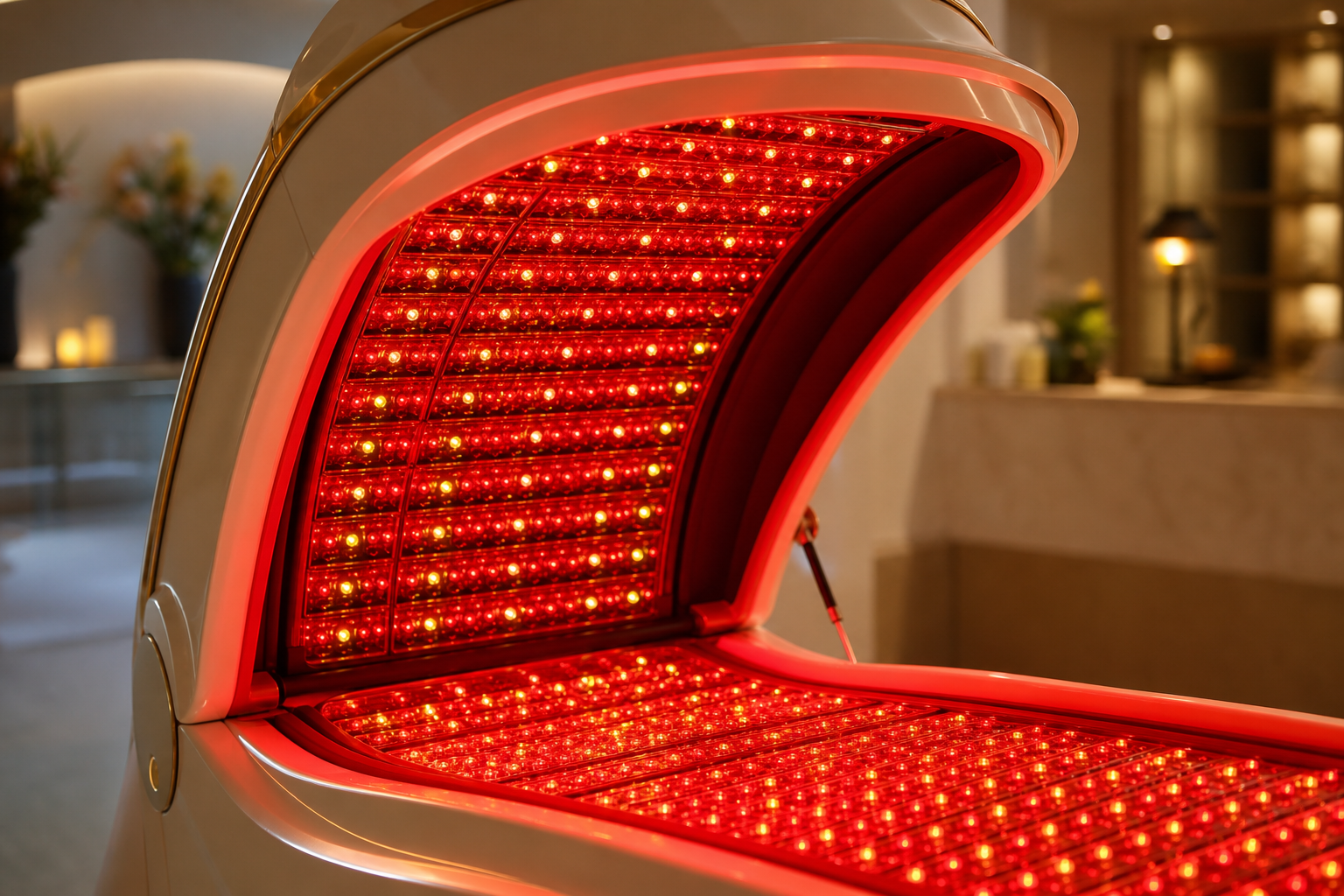
Near Infrared Therapy Benefits: What to Know
Explore near infrared therapy benefits, what photobiomodulation sessions involve, who may be a fit, and why screening and personalized protocols matter.
Read
How to Prepare an NAD Infusion in a Clinical Setting
Learn how to prepare an NAD infusion in a supervised clinical setting, from screening and pharmacy sourcing to pacing, monitoring, and aftercare planning.
ReadTop IV Nutrients for Energy: A Clinical Guide
Explore top IV nutrients for energy, from B vitamins to magnesium and NAD+, with physician-guided considerations for personalized wellness support today.
ReadMedical Disclaimer: Information on this website is for educational purposes only and is not intended to diagnose, treat, cure, or prevent any disease. It is not a substitute for medical advice. Individual results vary. Consult a qualified healthcare provider before beginning any treatment.