Quick answer: Can NAD IV support focus? It may support cognitive wellness for some individuals, particularly when reduced mental stamina, demanding travel schedules, disrupted sleep, or high-output work periods are part of the picture. NAD+ IV therapy is not a substitute for sleep, nutrition, medical evaluation, or treatment for an underlying condition. Its role is best considered through a physician-supervised, personalized protocol that accounts for your health history, medications, goals, and tolerance.
A client may describe the concern as brain fog, afternoon mental fatigue, slower recall, or difficulty sustaining attention through long meetings. Those experiences are real, but they are not all the same problem. A refined approach begins by asking what is placing pressure on focus in the first place, rather than assuming one infusion is the answer.
Can NAD IV Support Focus Through Cellular Energy?
NAD+ - nicotinamide adenine dinucleotide - is a naturally occurring coenzyme involved in cellular energy metabolism and other essential cellular processes. It helps cells transfer energy from nutrients and participates in pathways associated with oxidative balance, DNA repair signaling, and mitochondrial function. Because the brain has substantial energy demands, interest in NAD+ therapy often centers on whether additional NAD+ support may help a person feel more mentally steady or resilient.
That biological rationale is not the same as a guaranteed cognitive outcome. Research specifically evaluating NAD+ IV therapy for focus in healthy adults remains limited, and individual responses vary. Some clients report a subjective sense of clearer thinking or steadier energy after a provider-guided series. Others notice little change in focus, or find that sleep quality, hydration, workload, nutritional intake, or stress management has a much greater influence.
For this reason, NAD+ therapy should be framed as a potential component of cellular wellness and performance support, not a shortcut for concentration or a treatment for cognitive disease.
Also Known As NAD+ Therapy
NAD IV is commonly called NAD+ IV therapy, NAD infusion therapy, or intravenous NAD+. It is delivered by IV over a carefully determined period, typically more slowly than a standard hydration infusion. Rate matters. NAD+ can feel stimulating or uncomfortable when administered too quickly, which is why a provider-guided setting and individualized pacing are central to the experience.
At EBO2 Therapy and Wellness, NAD+ therapy is offered within a private, consultation-based model rather than as a walk-in menu item. The objective is to determine whether it reasonably fits the client's broader wellness priorities, whether that is recovery support, cognitive wellness, cellular vitality, travel resilience, or longevity-focused planning.
Focus Is a Systems Question, Not Just an Energy Question
Focus depends on far more than momentary energy. Sleep debt, alcohol intake, dehydration, iron or thyroid concerns, hormonal shifts, medication effects, mood, blood sugar variability, and chronic stress can all affect attention and mental clarity. A busy executive may feel mentally depleted after a transcontinental flight for different reasons than an athlete during a high-volume training block or an entrepreneur managing prolonged decision fatigue.
This is where a private consultation can add value. Before considering NAD+ IV therapy, a qualified provider should review the pattern behind the concern. Is the issue new or progressive? Does it occur with headaches, palpitations, weakness, significant anxiety, memory changes, or sleep disruption? Are there prescription medications, supplements, or relevant health conditions to consider? Persistent or concerning cognitive symptoms warrant appropriate medical assessment rather than a wellness-only response.
When screening suggests that an advanced wellness protocol is appropriate, NAD+ may be considered alongside foundational measures. Hydration, adequate protein and micronutrient intake, sleep consistency, strategic exercise, and stress reduction remain central. The best protocol is often the one that respects these basics while providing a measured level of additional support.
What an NAD+ IV Appointment May Feel Like
A physician-supervised NAD+ IV experience begins with screening and an individualized discussion of goals. The provider determines whether the therapy is appropriate, how the infusion should be paced, and whether supportive nutrients or a different approach may be more suitable. Screening is required, and not every prospective client is a candidate.
During the infusion, clients rest in a calm, private clinical environment. Because NAD+ is often administered slowly, appointments may require more time than a conventional IV hydration visit. Some people experience temporary sensations such as warmth, chest or abdominal tightness, nausea, head pressure, cramping, or a feeling of activation, particularly when the infusion rate is too fast for their tolerance. Communicating early allows the clinical team to adjust the rate or pause as needed.
Afterward, some clients choose to keep their schedule light and assess how they feel over the next day. A perceived benefit may be immediate, gradual across a series, or not noticeable. Results vary, and responsible planning leaves room to reassess rather than making assumptions from a single session.
When NAD+ May Be Worth Discussing
NAD+ IV therapy may be of interest to adults seeking provider-guided support during periods of elevated cognitive demand, frequent travel, intensive professional schedules, or recovery-focused wellness planning. It may also appeal to clients who want a more comprehensive longevity conversation rather than isolated, transactional IV services.
Still, interest alone does not establish fit. NAD+ may not be the first choice when fatigue or poor concentration is driven by an unaddressed medical issue, substantial sleep disruption, acute illness, or a medication-related concern. It is also not designed to diagnose, treat, or replace care for attention disorders, dementia, depression, anxiety, or other medical conditions.
For some clients, a clinician may recommend beginning with a different component of a personalized protocol, such as standard IV nutrient support, recovery planning, Hyperbaric Oxygen Therapy, red light therapy, or a CTOI Cellular Optimization Report. The recommendation should follow the assessment, not the other way around.
Safety, Screening, and Thoughtful Expectations
Premium care is not defined by how many therapies are offered. It is defined by the quality of clinical judgment behind each recommendation. NAD+ therapy should be administered under appropriate medical oversight, with clear discussion of goals, possible side effects, relevant health history, and realistic expectations.
Prospective clients should disclose current medications, supplements, allergies, prior infusion reactions, pregnancy or breastfeeding status, cardiovascular history, kidney or liver concerns, and any active symptoms. The provider may request additional information, defer treatment, or recommend medical follow-up depending on the circumstances. That is a sign of responsible care, not an obstacle to service.
It is also reasonable to ask practical questions: What is the proposed infusion pace? How will comfort be monitored? What should I do if I feel unwell during the appointment? How will we evaluate whether the protocol is worth continuing? A high-trust practice should welcome these questions.
A More Useful Measure of Success
If the goal is sharper focus, avoid evaluating an NAD+ infusion only by whether it creates a dramatic sensation that day. Better markers are often practical and personal: your ability to sustain attention without reaching for another stimulant, the steadiness of your energy through a workday, recovery after travel, or whether you feel more capable of maintaining healthy routines.
Those observations should be considered over time and in context. An infusion cannot compensate for a month of short sleep, a persistently overloaded calendar, or symptoms that need medical evaluation. It may, however, be a considered addition for the right person within a personalized cellular wellness plan.
Frequently Asked Questions
How quickly might NAD IV affect focus?
Responses differ. Some clients describe a same-day shift in subjective energy or mental clarity, while others notice changes only after a series or do not notice a meaningful difference. There is no reliable timeline that applies to everyone.
Is NAD+ IV therapy a stimulant?
NAD+ is not typically approached as a conventional stimulant. Some individuals do report feeling more alert or activated, especially during or after an infusion. That is one reason pacing, comfort monitoring, and provider guidance matter.
Can I receive NAD+ IV therapy before an important meeting or event?
It depends on your prior experience, your tolerance, and the timing of the infusion. For a first session, it is generally wiser to avoid scheduling it immediately before a high-stakes obligation, since temporary discomfort can occur and individual responses vary.
Where is NAD+ therapy available?
EBO2 Therapy and Wellness offers private, physician-supervised concierge wellness services in Rancho Palos Verdes, California, and West Palm Beach, Florida. A consultation can help determine whether NAD+ therapy aligns with your goals and whether a broader personalized protocol would be more appropriate.
The most valuable next step is not to chase focus in isolation. It is to understand what your mind and schedule are asking of you, then choose a provider-guided plan that supports performance, recovery, and long-term cellular wellness with appropriate care.
Ready to talk with our team?
Book a complimentary consultation at our Rancho Palos Verdes or West Palm Beach clinic.
Request a ConsultationRelated services
Preclinical rationale for NAD metabolism does not establish clinical effectiveness of IV or IM NAD+ for anti-aging or general wellness. Compounded NAD+ preparations must be prepared with ingredients suitable for sterile compounding.
- FDA — reminder to compounders to use ingredients suitable for sterile compounding
U.S. Food & Drug Administration
FDA safety guidance on sterile compounding standards relevant to compounded NAD+ preparations. Regulatory context only; not a benefit statement.
- PRISMA systematic review of intravenous / intramuscular NAD+ for anti-aging and wellness
Peer-reviewed systematic review (PMID 41655607)
Systematic review reporting no eligible outcomes trials of IV/IM NAD+ for anti-aging or wellness endpoints; effectiveness remains inconclusive.
References describe general evidence, safety, or regulatory context. They do not establish an individual benefit for any specific person, and they do not validate EBO2's proprietary clinic protocols.
Related reading
More from the EBO2 Therapy and Wellness library.
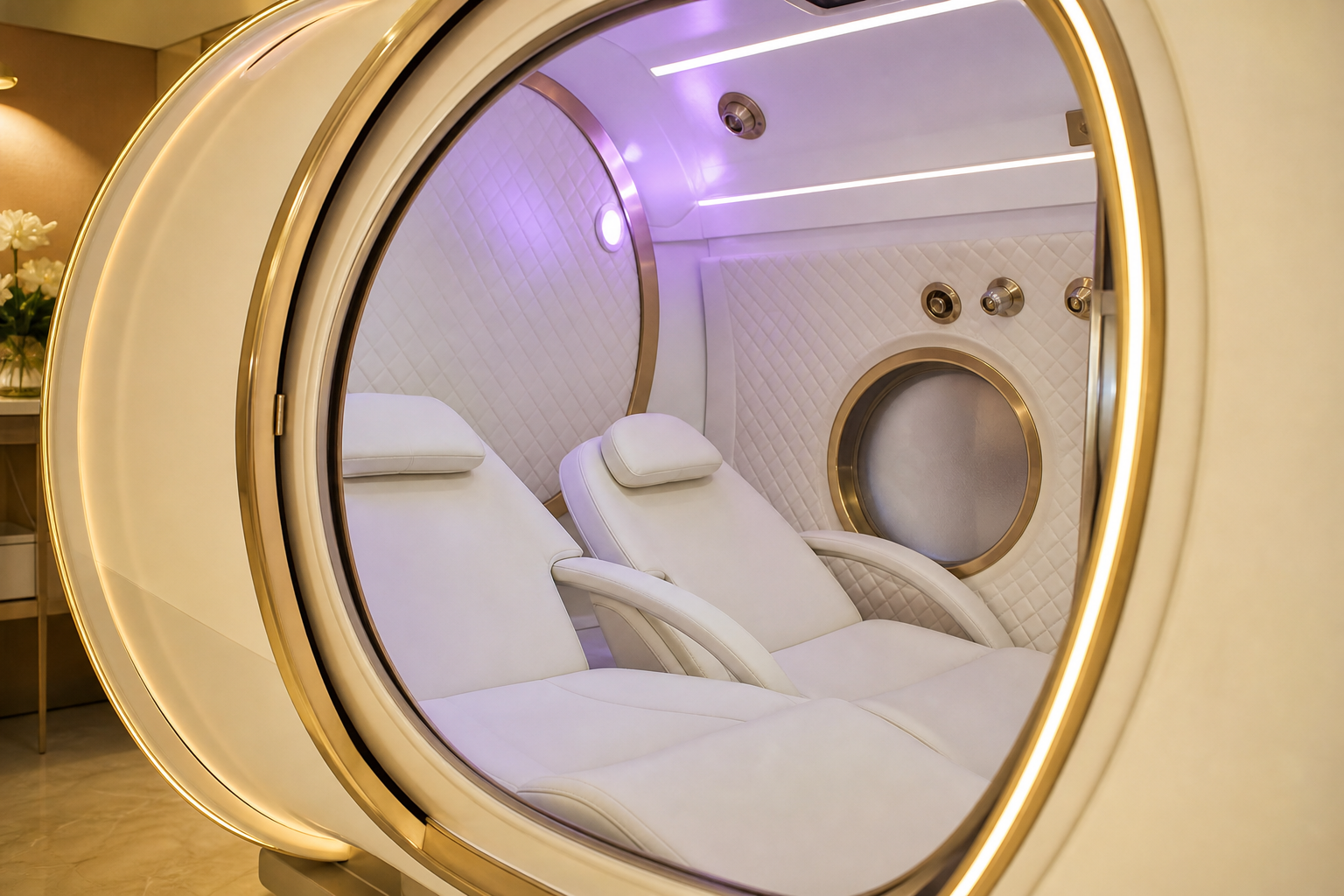
How to Plan HBOT Sessions for Better Recovery
Learn how to plan HBOT sessions with physician-guided timing, screening, and realistic recovery and cellular wellness goals for a personalized protocol.
ReadHyperbaric Oxygen Session Guide for First Visits
A hyperbaric oxygen session guide for first-time clients: preparation, chamber experience, pressure changes, screening, and personalized care planning.
Read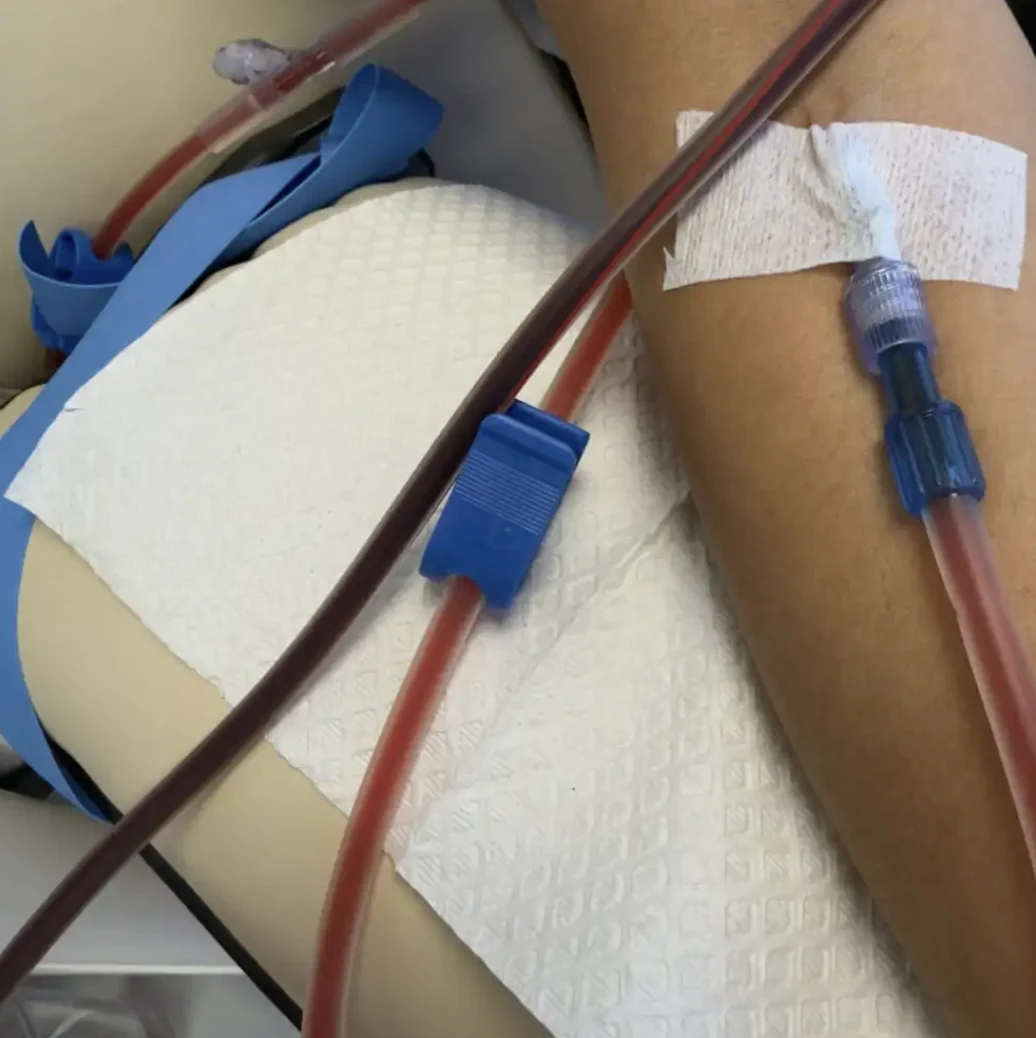
EBOO Therapy vs HBOT: Which Fits Your Goals?
Compare eboo therapy vs hbot for oxygenation-focused wellness, recovery support, screening, comfort, and a personalized physician-guided plan discussion.
ReadMedical Disclaimer: Information on this website is for educational purposes only and is not intended to diagnose, treat, cure, or prevent any disease. It is not a substitute for medical advice. Individual results vary. Consult a qualified healthcare provider before beginning any treatment.