For clients comparing eboo therapy vs hbot, the central question is not which option is universally better. EBO3 Therapy and hyperbaric oxygen therapy work through distinctly different delivery methods, involve different appointment experiences, and may suit different wellness priorities. The appropriate choice depends on your health history, goals, tolerance for the experience, schedule, and a provider-guided review.
At EBO2 Therapy and Wellness, these are considered advanced wellness therapies, not interchangeable menu items. A private consultation helps determine whether either modality may have a place in a personalized protocol designed around oxygenation-focused support, recovery, cellular wellness, and longevity planning.
EBOO Therapy vs HBOT: The Quick Answer
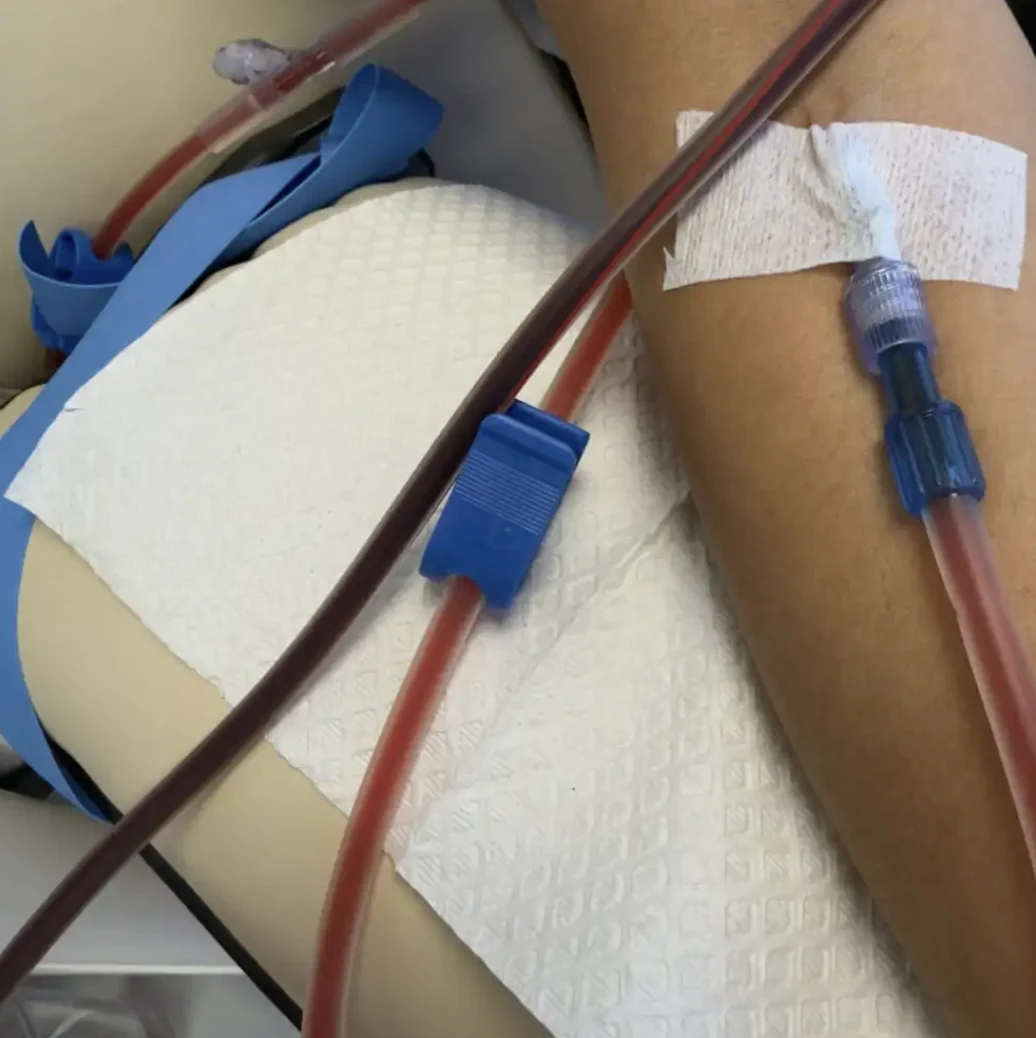
EBO3 Therapy - also searched as EBOO Therapy, EBO2 Therapy, EBO Therapy, or EBO treatment - is an extracorporeal procedure. Blood is circulated through specialized medical equipment, exposed to a precisely controlled oxygen-ozone mixture according to the provider's protocol, and returned during the session.
HBOT, or hyperbaric oxygen therapy, is a chamber-based therapy. The client breathes oxygen in a pressurized environment, increasing the amount of dissolved oxygen carried in plasma for a period of time.
In simple terms, EBO3 Therapy involves an external blood-circulation system under clinical supervision, while HBOT changes the pressure and oxygen environment around the person. Both are oxygenation-focused approaches, but their mechanics, screening requirements, time commitment, and comfort considerations differ considerably.
What Is EBO3 Therapy?
EBO3 Therapy is the main official name for the oxygenation service offered at EBO2 Therapy and Wellness. During an EBO3 session, a trained clinical team uses an extracorporeal circuit, meaning blood circulates outside the body through a closed system before being returned. The process is designed to support oxygenation-focused wellness and may be considered within a broader plan for recovery support, cellular vitality, and detox pathway support.
People often encounter several names while researching this modality. EBOO Therapy, EBO2 Therapy, EBO Therapy, and EBO treatment are common search terms, though protocols and equipment can vary between practices. That variation is one reason an online description should never replace an individualized clinical conversation.
The session is typically more involved than an IV appointment. It requires venous access, clinical monitoring, and sufficient time for setup, treatment, and post-session observation. For clients who value a highly supervised, procedure-based experience, that level of oversight may be part of the appeal. For others, it may be more commitment than they need for their current goals.
What Is Hyperbaric Oxygen Therapy?
Hyperbaric oxygen therapy places the client in a pressurized chamber while they breathe oxygen. Depending on the chamber type and protocol, the experience may resemble resting in a private clinical setting while pressure gradually changes around the body. Sessions often involve a period of pressurization, time at the prescribed pressure, and a gradual return to normal pressure.
For wellness-focused clients, HBOT may be considered for oxygenation support, recovery support, performance planning, or cognitive wellness goals. The appeal is straightforward: there is no extracorporeal blood circuit, and the session itself is generally passive. You lie down or sit comfortably, follow the clinical team's instructions, and allow time for the protocol.
That simplicity does not mean HBOT is appropriate for everyone. Ear and sinus pressure tolerance, certain lung conditions, recent procedures, medications, and the presence of specific implanted devices can all matter. Screening required is not a formality - it is a necessary part of deciding whether chamber-based care is suitable.
The Most Meaningful Differences
Delivery method and clinical experience
The difference clients notice first is practical. EBO3 Therapy is an intravenous, extracorporeal procedure requiring clinical access and active circulation through specialized equipment. HBOT is chamber-based and noninvasive in the sense that it does not require an IV or blood draw for the session itself.
If needles, venous access, or longer clinical setup create significant hesitation, HBOT may feel more approachable. If a client is specifically seeking an advanced, provider-guided extracorporeal modality as part of a structured cellular wellness plan, EBO3 Therapy may be the more relevant discussion.
Pressure exposure versus circulation-based support
HBOT relies on increased ambient pressure and inhaled oxygen. This makes pressure equalization a central part of the experience. Some clients adjust easily; others find ear pressure or confinement uncomfortable, particularly in enclosed chamber designs.
EBO3 Therapy does not require chamber pressurization. Its considerations are different: appropriate vascular access, anticoagulation considerations where applicable, hydration status, laboratory review when indicated, and the client's ability to tolerate an extracorporeal procedure. Neither pathway should be selected simply because it sounds more advanced.
Time, frequency, and protocol design
A single session rarely tells the whole story. HBOT is often discussed in a series, with timing determined by the client's goals, response, schedule, and provider guidance. EBO3 Therapy protocols may also vary in frequency and may be paired with other services such as IV therapy, NAD+ Therapy, glutathione support, red light therapy, or a broader longevity-focused plan.
The right cadence is personal. An athlete preparing for a demanding season may prioritize recovery scheduling. A frequent traveler may want a plan that respects compressed time windows. An executive focused on sustained performance may prefer a more comprehensive, consultation-based strategy rather than selecting therapies one at a time.
Who May Prefer One Over the Other?
HBOT may be worth discussing for clients who want a passive, chamber-based oxygenation-focused experience and are comfortable with pressure changes after appropriate screening. It can also fit clients who prefer to avoid IV access during their wellness sessions.
EBO3 Therapy may be of interest to clients looking for a more involved, physician-supervised extracorporeal modality within a personalized protocol. It may suit individuals who already understand that advanced wellness planning requires more than a quick appointment and are comfortable with the screening and clinical time involved.
There is also a third possibility: neither is the best first step. A provider may recommend beginning with foundational assessment, targeted IV support, red light therapy, lifestyle review, or a CTOI Cellular Optimization Report before considering more involved services. This is not a lesser plan. It is often the more precise one.
Safety, Screening, and Expectations
Both therapies require appropriate clinical screening, but the questions differ. For HBOT, providers may review ear and sinus health, respiratory history, claustrophobia or chamber tolerance, medications, and other factors relevant to pressure exposure. For EBO3 Therapy, the review may include cardiovascular history, vein access, bleeding or clotting considerations, medications, hydration, laboratory markers, and whether an extracorporeal procedure is appropriate.
Clients should also be cautious of broad claims online. Neither EBO3 Therapy nor HBOT should be presented as a cure, a substitute for medical treatment, or a typical but not assured route to a particular outcome. In a responsible concierge setting, the objective is to assess whether a therapy may support the client's stated wellness goals and to monitor the experience thoughtfully. Results vary.
A well-run consultation should make room for questions about candidacy, protocol rationale, anticipated sensations, time commitment, possible reasons to defer care, and how progress will be evaluated. Premium care is not about promising more. It is about selecting carefully and communicating clearly.
Can EBO3 Therapy and HBOT Be Used in the Same Plan?
In some personalized protocols, they may be considered as complementary rather than competing modalities. Because they use different mechanisms and impose different demands on the client, timing and sequencing should be determined by a qualified provider. More therapies are not automatically better, and stacking services without a clear rationale can make it harder to understand what is helping, what is unnecessary, and what the client actually tolerates well.
For clients in Rancho Palos Verdes or West Palm Beach seeking private, physician-supervised wellness care, the more useful question is often: what does your current plan need most? Recovery support, oxygenation-focused sessions, cellular wellness assessment, and longevity planning each call for a different level of intervention.
The best next step is a private consultation that starts with your goals rather than a predetermined treatment. A thoughtful protocol should feel appropriately tailored, clinically considered, and realistic enough to fit the life you intend to optimize.
Ready to talk with our team?
Book a complimentary consultation at our Rancho Palos Verdes or West Palm Beach clinic.
Request a ConsultationRelated services
EBO3 is a clinic-branded wellness protocol. These references describe ozone's regulatory context and the state of the published evidence; they do not establish EBO3 as a treatment for any disease, and ozone therapy is not FDA-approved. Published EBOO/ozone literature is heterogeneous, largely preliminary or uncontrolled, and mostly of low or very-low certainty.
- 21 CFR § 801.415 — Federal regulation on ozone (labeling context)
eCFR (U.S. Electronic Code of Federal Regulations)
Federal labeling regulation for medical devices generating ozone. Regulatory context only; does not indicate FDA approval of ozone as a therapy.
- Bocci V. Ozone as Janus: this controversial gas can be either toxic or medically useful
Mediators of Inflammation (PMID 16156950)
Narrative review discussing extracorporeal blood oxygenation with ozone (EBOO) and related ozone modalities. Evidence at the time was preliminary and largely uncontrolled — insufficient to validate EBOO for any disease indication.
- Umbrella review of ozone therapy across clinical indications
Medical Sciences (DOI 10.3390/medsci14020289)
Umbrella review of systematic reviews of ozone therapy across multiple indications. Findings are heterogeneous with most conclusions rated low or very-low certainty; overall evidence remains insufficient to establish general clinical efficacy.
- Smith NL et al. Ozone therapy: an overview of pharmacodynamics, current research, and clinical utility
Medical Gas Research (PMID 29152215)
Peer-reviewed overview of ozone therapy noting that the current clinical evidence base is heterogeneous and further rigorous study is needed.
References describe general evidence, safety, or regulatory context. They do not establish an individual benefit for any specific person, and they do not validate EBO2's proprietary clinic protocols.
- West Palm Beach HBOT for Personalized Recovery
- Who Should Consider EBOO Therapy? A Careful Look
- EBO3 Versus EBOO Protocols and What Changes
- EBO3 Therapy Preparation Before Your Visit
- How to Prepare for HBOT Before Your First Session
- Best Options for Healthy Aging After 40
- Are Peptides Physician Supervised? What to Ask
Related reading
More from the EBO2 Therapy and Wellness library.

How to Prepare for HBOT Before Your First Session
Learn how to prepare for HBOT with physician-guided screening, chamber-day essentials, pressure-equalization tips, and personalized recovery planning.
Read
Best Options for Healthy Aging After 40
Explore the best options for healthy aging, from strength and sleep to physician-guided cellular wellness protocols tailored to your goals and lifestyle.
Read
Are Peptides Physician Supervised? What to Ask
Are peptides physician supervised? Learn when oversight matters, what screening involves, and how personalized peptide protocols are planned responsibly.
ReadMedical Disclaimer: Information on this website is for educational purposes only and is not intended to diagnose, treat, cure, or prevent any disease. It is not a substitute for medical advice. Individual results vary. Consult a qualified healthcare provider before beginning any treatment.