A South Bay wellness guide should do more than name the newest IV lounge or recovery trend. For discerning clients in Rancho Palos Verdes, Palos Verdes, Manhattan Beach, Redondo Beach, and greater Los Angeles, the more useful question is whether a wellness program is appropriately screened, clinically overseen, and designed around individual goals rather than a fixed menu.
A South Bay Wellness Guide Starts With Personalization
Advanced wellness care is not one therapy, one session, or one universal protocol. A frequent traveler managing a demanding schedule may be seeking recovery support and hydration planning. An athlete may be focused on training readiness. An executive interested in healthy aging may want a more comprehensive view of cellular wellness, nutrient status, sleep, stress load, and long-term performance priorities.
The right setting begins with a private consultation. Provider-guided care allows the team to review relevant health history, medications, current supplements, goals, and potential contraindications before recommending any service. This is particularly relevant when a client is considering advanced modalities rather than a basic wellness treatment.
At EBO2 Therapy and Wellness, protocols are consultation-based and physician-supervised, with screening required before appropriate services are considered. The aim is not to promise a particular outcome. It is to create a thoughtful plan designed to support oxygenation-focused wellness, recovery, cellular vitality, detox pathway support, and longevity-focused habits. Results vary, and suitability depends on the individual.
Choosing the Right Level of Wellness Support
A premium wellness practice should be able to explain not only what it offers, but why a particular option may or may not fit your circumstances. Some clients benefit from a focused appointment around hydration or recovery support. Others may prefer a longer-term plan that combines diagnostics, lifestyle context, and selected therapies over time.
IV and Nutrient-Based Support
IV therapy may be considered by clients seeking hydration support, nutrient replenishment, or recovery-oriented wellness care. NAD+ Therapy, glutathione pushes, and Methylene Blue IV are more specialized options that require careful provider review, especially where medical history, medications, dosing, and timing matter.
These therapies should not be framed as a shortcut for sleep, nutrition, movement, or medical care. Used thoughtfully within a personalized protocol, they may support energy, recovery, and cellular wellness goals. A quality consultation clarifies what is realistic, what should be monitored, and when an alternative approach is more appropriate.
Oxygenation-Focused Therapies
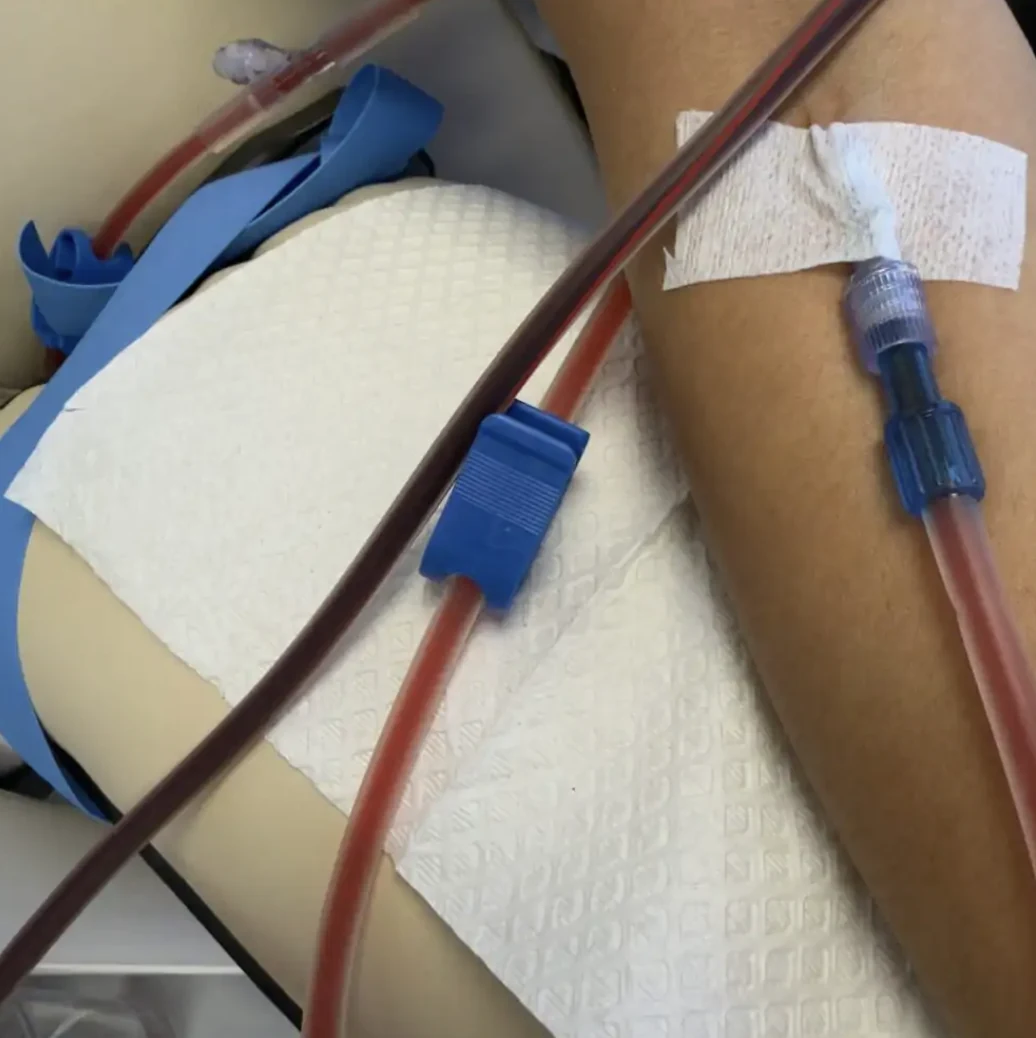
EBO3 Therapy is an advanced, provider-guided oxygenation-focused service offered within a consultation-based wellness plan. It may also be searched as EBOO Therapy, EBO2 Therapy, EBO Therapy, or EBO treatment. Those terms are often used interchangeably online, but protocols, equipment, clinical oversight, and patient selection can differ substantially between providers.
Clients commonly ask about EBO3 Therapy when they are exploring recovery support, performance optimization, cellular wellness, and detox pathway support. It is not positioned as a treatment for disease or as a substitute for medical diagnosis and care. A qualified provider should explain the process, the intended wellness context, possible limitations, and whether screening identifies any reason to defer or avoid the service.
Hyperbaric Oxygen Therapy, often called HBOT or oxygen chamber therapy, is another oxygenation-focused modality that may be considered for select wellness goals. It involves a distinctly different experience and requires its own screening considerations. The best option depends on your health profile, schedule, priorities, and the clinical judgment of the supervising provider.
Recovery, Light, and Performance Modalities
Red light therapy, near-infrared therapy, and photobiomodulation are often sought by clients who want noninvasive support for recovery routines and performance-focused wellness. These sessions can fit well into a broader plan, particularly for clients who value consistency and are already attentive to training, sleep, and nutrition.
The trade-off is that these modalities are rarely meaningful as a one-off answer to a complex concern. For some people, they are a convenient recurring component of a wellness routine. For others, a provider may recommend beginning with foundational lifestyle changes, laboratory review, or a different form of support.
When a More Comprehensive Protocol Makes Sense
Some goals call for more than individual appointments. A client with persistent travel demands, a high-output professional schedule, or a strong interest in longevity planning may prefer a structured approach that connects several pieces of care.
A Cellular Optimization Report, such as a CTOI™ Cellular Optimization Report, can help organize the conversation around individual wellness priorities. Depending on consultation findings, a personalized protocol may incorporate IV therapy, NAD+ support, red light sessions, HBOT, peptide therapy, or other advanced wellness therapies. The purpose is not to chase every available modality. It is to select only what has a defensible role in the client’s plan.
Therapeutic Plasma Exchange, also called TPE, plasma exchange, or plasmapheresis, is a more involved procedure that warrants especially careful discussion and screening. It should never be marketed casually as a general “cleanse” or a way to remove all toxins. In an appropriate physician-guided setting, it may be discussed as part of a highly individualized wellness strategy for eligible clients. Candidacy, timing, risks, and anticipated experience should be addressed in detail before proceeding.
Regenerative biologics, peptide therapy, and stem cell or exosome consultations also require nuance. These areas attract significant public interest, but responsible care means separating interest from suitability. A provider-guided consultation should cover the client’s goals, relevant health factors, product sourcing considerations where applicable, limitations, and the reality that results vary.
What to Expect From a Private Consultation
The first conversation should feel deliberate, not rushed. Expect questions about your health history, prescriptions, supplements, prior procedures, lifestyle, athletic demands, travel patterns, and what you hope to improve. A refined concierge practice is not simply selling an appointment. It is determining whether a service is appropriate and how it could fit into a broader wellness strategy.
If a therapy is considered suitable, the team should explain what the visit involves, how long it may take, what preparation is needed, and what follow-up may be useful. Clients should also understand that a recommendation can change. New information, tolerance, changing goals, or a provider’s clinical judgment may lead to an adjusted plan.
Privacy is another meaningful distinction. For executives, public-facing professionals, and clients who value discretion, a private environment can make it easier to commit to care without the impersonal pace of a high-volume setting.
Safety, Screening, and Questions Worth Asking
Advanced wellness therapies deserve more scrutiny, not less. Screening required is not a barrier to concierge care. It is part of responsible care. Ask who supervises the protocol, how candidacy is determined, what medical history or medications may affect eligibility, and what happens if a service is not advised.
It is also reasonable to ask whether a recommendation has a specific purpose in your plan. A credible provider can explain the proposed role of each therapy in plain language without overpromising. Be cautious of any setting that aims for results, claims to cleanse blood, or presents complex services as appropriate for everyone.
For clients comparing South Bay options, convenience matters, but it should not be the deciding factor. Consider the level of clinical oversight, the quality of consultation, the privacy of the experience, and whether the practice can coordinate a coherent plan instead of selling disconnected sessions.
South Bay Wellness Guide: Building a Sustainable Plan
The most valuable wellness plan is one you can sustain. That may mean periodic IV support around heavy travel, a consistent red light routine during demanding training periods, or a more comprehensive longevity-focused protocol reviewed at planned intervals. It may also mean deciding that a therapy is not the right fit right now.
For South Bay clients, access to sophisticated wellness care should come with the same standards expected in other high-consideration decisions: informed discussion, physician supervision, individualized planning, and clear boundaries around what any service can reasonably support. The right next step is a private consultation that respects both your ambitions and your health context.
Ready to talk with our team?
Book a complimentary consultation at our Rancho Palos Verdes or West Palm Beach clinic.
Request a ConsultationRelated services
Related reading
More from the EBO2 Therapy and Wellness library.
Top Physician-Guided Biohacks Worth Considering
Explore top physician guided biohacks, from EBO3 Therapy to HBOT, with physician-supervised screening and personalized plans for recovery and longevity.
Read
Plasma Exchange Versus Plasmapheresis Explained
Plasma exchange versus plasmapheresis: learn how these terms differ, what a TPE procedure involves, and why clinical screening and guidance matter most.
Read
Concierge IV Therapy Guide: What to Expect
This concierge IV therapy guide explains screening, personalized protocols, infusion visits, and when physician-supervised care may be the right fit now.
ReadMedical Disclaimer: Information on this website is for educational purposes only and is not intended to diagnose, treat, cure, or prevent any disease. It is not a substitute for medical advice. Individual results vary. Consult a qualified healthcare provider before beginning any treatment.