A demanding travel schedule, an ambitious training plan, and a full calendar can all produce the same frustrating result: you are functioning, but not recovering or performing at the level you expect. Performance medicine offers a more deliberate way to evaluate that gap. Rather than selecting therapies from a menu, it uses physician-guided assessment and personalized planning to support recovery, cellular wellness, oxygenation-focused goals, and long-term resilience.
Quick Answer: What Is Performance Medicine?
Performance medicine is a consultation-based approach to wellness optimization. It considers how sleep, training load, stress, nutrition, travel, biomarkers, recovery capacity, and daily habits may be affecting energy, cognitive wellness, physical performance, and healthy aging.
It is not one standardized therapy, a replacement for primary medical care, or a promise of a particular result. A responsible program begins by understanding the individual, clarifying priorities, and determining whether advanced wellness therapies are appropriate. The goal is to make decisions with more context than a generic supplement plan or occasional wellness visit can provide.
For many executives, athletes, founders, and active adults, the appeal is not simply doing more. It is reducing guesswork. A provider-guided plan may help organize recovery support around real-world demands, whether that means frequent flights, high-stakes work, intensive exercise, or a long-range longevity-focused strategy.
Performance Medicine Is Also Known As
You may see performance medicine described as performance optimization, executive wellness, longevity medicine, cellular wellness, or personalized wellness care. These terms overlap, but they are not always interchangeable.
A thoughtful performance medicine program should be grounded in a clinical review and clear goals. The language may differ by practice, yet the standard should remain the same: therapies are selected for an individual context, screening is required, and recommendations are adjusted as circumstances change.
Why a Personalized Protocol Matters
Two people can report low energy for entirely different reasons. One may be under-recovered from training and travel. Another may need to address sleep quality, nutrition, medication considerations, stress, or an issue that warrants evaluation by their primary physician or specialist. Treating every concern as an IV therapy question is not personalized care.
A private consultation creates room for a fuller conversation. It can account for current health history, goals, prior testing, activity level, scheduling constraints, and tolerance for different interventions. It also establishes boundaries. Some clients are not candidates for a particular service, and some goals are better served by foundational changes or conventional medical follow-up.
The Building Blocks of a Performance Medicine Plan
The best plans are usually layered rather than dramatic. Foundational habits remain central: sleep consistency, protein and hydration needs, movement, strength and cardiovascular training, stress management, and appropriate medical care. Advanced services may be considered as supportive additions, not substitutes for these essentials.
At EBO2 Therapy and Wellness, a personalized protocol may begin with a physician-supervised consultation and, where appropriate, a CTOI™ Cellular Optimization Report. This type of structured review can help bring relevant health data, goals, and lifestyle patterns into one practical discussion. It is designed to support clearer planning, not to diagnose disease or predict outcomes.
Depending on screening and individual objectives, a program may include provider-guided IV Therapy, NAD+ Therapy, Glutathione Push, Hyperbaric Oxygen Therapy, or photobiomodulation through red light and near-infrared therapy. These modalities are often sought for recovery support, energy support, cognitive wellness, and cellular vitality. The appropriate combination, timing, and frequency depend on the person, not on a preset package.
Some clients also ask about EBO3 Therapy, which may appear in searches as EBOO Therapy, EBO2 Therapy, EBO Therapy, or EBO treatment. EBO3 Therapy is an advanced oxygenation-focused service offered within a physician-supervised setting for appropriately screened clients. It should be approached as part of an individualized wellness plan, with a discussion of medical history, potential considerations, and realistic expectations.
For individuals pursuing broader longevity planning, Therapeutic Plasma Exchange, also called TPE, plasma exchange, or plasmapheresis, may be discussed in a separate clinical context. It is a significant medical procedure, not a casual wellness add-on. Eligibility, protocol design, monitoring, and the reason for considering it require careful provider assessment.
What a Private Consultation Should Cover
A premium performance medicine experience should feel precise, not rushed. The initial conversation typically explores your goals and baseline first. Are you preparing for a demanding season of work, returning to training after a period of inconsistency, seeking support around frequent travel, or taking a more proactive approach to healthy aging? The answer informs every recommendation that follows.
Your provider should also review relevant medical history, current medications and supplements, allergies, recent procedures, prior reactions, and any symptoms that need conventional medical evaluation. If laboratory work or records are available, they may add useful context. If they are not, the provider can explain what information would be most helpful before proceeding.
From there, a personalized protocol may outline therapies worth considering, recommended cadence, preparation, monitoring, and reassessment points. A strong plan also explains what is not being recommended and why. That degree of selectivity is a hallmark of medically responsible concierge care.
Recovery Support Is Not the Same as Chasing Intensity
More intervention is not automatically better. An athlete in the middle of competition, a traveler managing jet lag, and an executive with sustained sleep debt may each need different levels of support. A wellness strategy that fits one phase of life may be excessive, impractical, or poorly timed in another.
This is especially relevant with advanced wellness therapies. Hyperbaric Oxygen Therapy, often called HBOT or oxygen chamber therapy, has specific operational and screening considerations. Peptide Therapy and regenerative biologics require an equally careful conversation about goals, source, clinical appropriateness, and oversight. Red light therapy may fit easily into some routines, while more involved procedures require greater planning and recovery time.
The trade-off is straightforward: personalization takes more thought than purchasing a standardized package. In return, clients receive a plan that is more aligned with their priorities, schedule, and medical context. Results vary, and no responsible provider should imply otherwise.
Safety, Screening, and Medical Responsibility
Performance optimization should never overlook safety. Before physician-supervised therapies, screening may include a review of health conditions, medications, prior procedures, and relevant contraindications. Certain treatments may be deferred, modified, or declined based on that review.
During care, appropriate observation and communication matter. Clients should understand what a session involves, how long it may take, what sensations or short-term responses may occur, and when to contact the practice or another medical provider. Transparency is part of high-trust care, particularly when someone is considering complex interventions alongside an already busy life.
Performance medicine also has limits. New or concerning symptoms, chest pain, neurological changes, severe fatigue, persistent shortness of breath, or other urgent concerns need appropriate medical evaluation. Concierge wellness services are not a substitute for emergency care or specialist treatment.
Who May Be Interested in Performance Medicine?
This approach may suit people who value privacy, continuity, and a higher level of clinical attention. Common clients include frequent travelers, entrepreneurs, executives, competitive and recreational athletes, and active adults who want a structured longevity-focused plan rather than disconnected appointments.
It is particularly useful for those who are willing to engage with the fundamentals while considering advanced options. The most productive question is not, “What is the strongest therapy available?” It is, “What plan makes sense for my goals, baseline, and current season?”
Performance Medicine in a Concierge Setting
At private concierge wellness locations in Rancho Palos Verdes and West Palm Beach, access to advanced modalities can be paired with a more individualized care experience. That may include coordinating therapy timing around travel or training, reassessing protocols as goals evolve, and selecting services that fit a practical, sustainable routine.
The value is not in collecting therapies. It is in having a provider-guided framework for deciding which forms of recovery support, oxygenation-focused care, IV support, cellular wellness services, or longevity planning deserve consideration and which do not.
The right next step is a private consultation with honest expectations. A well-designed performance medicine plan should leave you with more clarity, not more pressure: a measured path forward that respects both your ambitions and your health context.
Ready to talk with our team?
Book a complimentary consultation at our Rancho Palos Verdes or West Palm Beach clinic.
Request a ConsultationRelated services
Related reading
More from the EBO2 Therapy and Wellness library.

South Bay Wellness Guide for Private Longevity Care
This South Bay wellness guide explains how to choose physician-supervised, personalized therapies for recovery, cellular wellness, and longevity planning.
Read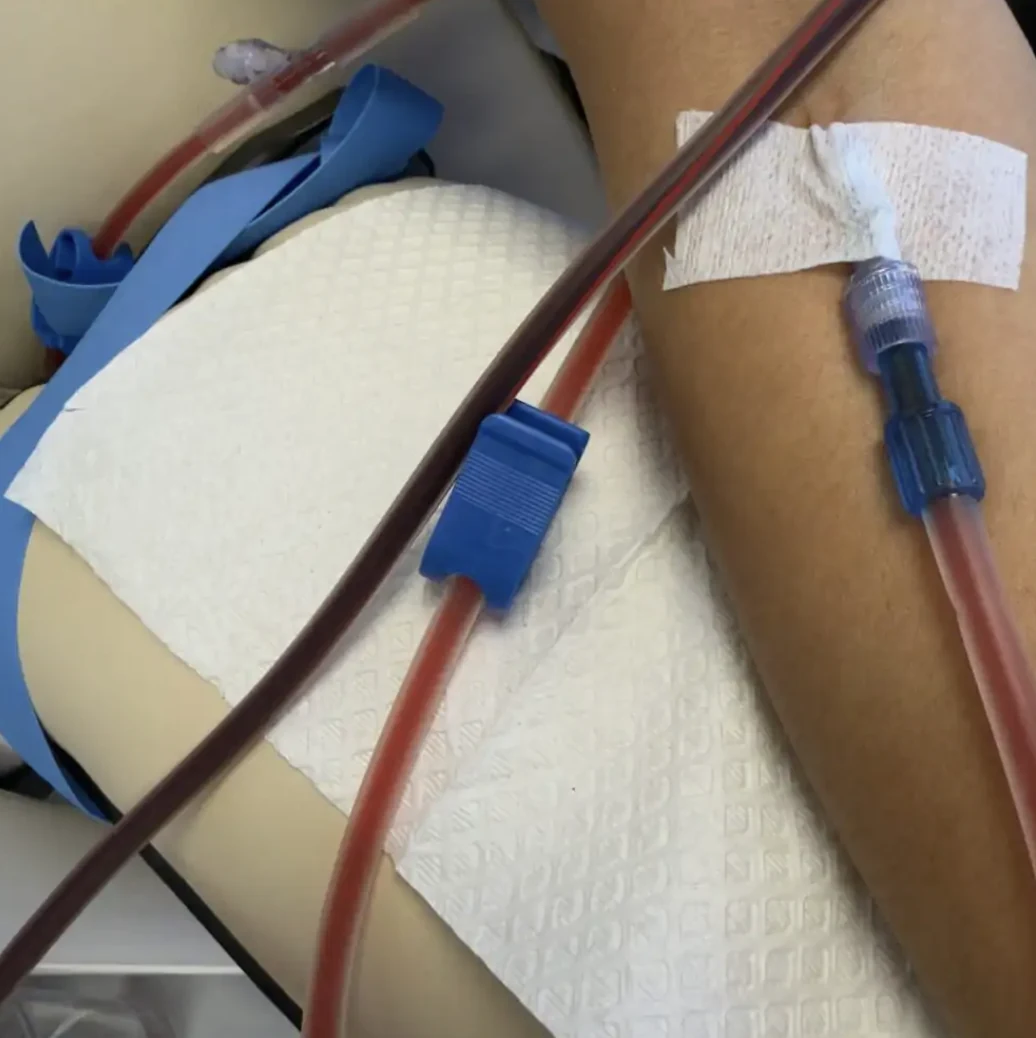
Top Physician-Guided Biohacks Worth Considering
Explore top physician guided biohacks, from EBO3 Therapy to HBOT, with physician-supervised screening and personalized plans for recovery and longevity.
Read
Plasma Exchange Versus Plasmapheresis Explained
Plasma exchange versus plasmapheresis: learn how these terms differ, what a TPE procedure involves, and why clinical screening and guidance matter most.
ReadMedical Disclaimer: Information on this website is for educational purposes only and is not intended to diagnose, treat, cure, or prevent any disease. It is not a substitute for medical advice. Individual results vary. Consult a qualified healthcare provider before beginning any treatment.