A hyperbaric oxygen session guide should answer more than what happens inside the chamber. For a first-time client, the meaningful questions are practical: whether the protocol fits your goals, how pressure changes feel, what screening is required, and how HBOT may fit into a personalized recovery or longevity-focused plan.
Hyperbaric oxygen therapy, commonly called HBOT or oxygen chamber therapy, involves breathing oxygen in a pressurized chamber under provider guidance. The combination of increased atmospheric pressure and oxygen exposure is carefully managed according to the individual, the treatment setting, and the intended wellness objective. It is not a one-size-fits-all experience, and results vary.
What Is Hyperbaric Oxygen Therapy?
During an HBOT session, a client rests in a hyperbaric chamber while pressure gradually increases to the planned level. The protocol may involve breathing oxygen for a defined period, followed by a gradual return to normal pressure. A session often lasts around 60 to 120 minutes, though timing, pressure, and the number of sessions are determined through clinical planning.
HBOT is used in medical settings for specific physician-diagnosed indications and is also sought within advanced wellness settings by clients interested in oxygenation-focused support, recovery support, performance optimization, and cellular wellness. These are distinct contexts. A responsible consultation clarifies the purpose of care rather than implying that a chamber session is appropriate for every concern.
Also Known As HBOT or Oxygen Chamber Therapy
You may see this service described as hyperbaric oxygen therapy, HBOT, hyperbaric chamber therapy, or oxygen chamber therapy. While the terms are often used interchangeably, the chamber type, supervision, oxygen delivery method, pressure protocol, and clinical standards can differ between providers. Those details matter more than a generic session label.
Hyperbaric Oxygen Session Guide: Before You Arrive
Preparation begins with screening, not with the chamber door. A provider-guided intake should review your health history, current medications and supplements, prior ear or sinus concerns, respiratory history, recent procedures, and the wellness goals that brought you in. Screening is required because pressure exposure and concentrated oxygen are not suitable for everyone.
A current cold, nasal congestion, sinus pressure, or ear discomfort can make equalizing more difficult. In some cases, rescheduling is the more comfortable and prudent choice. Clients should also disclose changes in medication, pregnancy status, recent travel-related illness, and any history of claustrophobia or anxiety in enclosed spaces.
On the day of a session, arrive well hydrated and having eaten normally unless your provider gives other instructions. Wear clean, comfortable clothing that meets the facility's chamber safety requirements. Because oxygen-rich environments require strict fire-safety practices, personal items, fragrances, hair products, petroleum-based products, electronics, jewelry, and certain fabrics may be restricted. The care team will provide precise instructions rather than asking you to guess.
For executives, frequent travelers, and athletes, timing can also be part of the plan. Some clients prefer a session during a lower-demand recovery day; others schedule around training, travel, or a broader personalized protocol. The right cadence depends on screening findings, response, lifestyle, and the goals being supported.
What the Chamber Experience Feels Like
The most noticeable part of a first session is usually the compression phase, when pressure begins to increase. Many clients describe a sensation similar to descending in an airplane or diving deeper in water. You will be asked to equalize ear pressure by swallowing, yawning, sipping water, or using another technique taught by the team.
Equalizing should not be forced. Let the attendant know promptly if you experience discomfort or cannot clear your ears. The pressure can be adjusted or paused, and a well-run session prioritizes communication over rushing through a protocol.
Once the planned pressure is reached, most of the session is quiet. Depending on the chamber configuration and facility protocol, you may rest, listen to approved entertainment, or simply use the time as a protected pause from a demanding schedule. The care team monitors the session and remains available throughout.
During decompression, the chamber gradually returns to normal atmospheric pressure. Your ears may pop again as they readjust. Some clients notice temporary fatigue, mild lightheadedness, or changes in vision after a series of sessions. These experiences should be discussed with the provider, especially if they persist or feel concerning.
What HBOT May Support - and What It Cannot Promise
Within a consultation-based wellness plan, HBOT may be considered for clients seeking support for recovery, exercise readiness, oxygenation-focused wellness, cognitive wellness, or healthy-aging goals. It may also appeal to people who value structured, low-stimulation recovery time amid intensive travel, training, or professional demands.
That said, a hyperbaric chamber is not a shortcut around sleep, nutrition, movement, stress management, or appropriate medical care. It also should not be presented as a cure for disease or a guaranteed route to better energy, cognition, or performance. Individual response varies, and the value of a series should be evaluated in the context of your broader health picture.
For some clients, a single introductory session is useful for assessing comfort with pressure and understanding the experience. Others may be advised that a planned series better aligns with their goals. The recommendation should come from clinical reasoning, not a prepackaged membership model.
Safety and Screening Come First
The highest-quality HBOT experience is defined as much by its screening and operating standards as by the chamber itself. Untreated pneumothorax is generally considered a contraindication to hyperbaric exposure. Certain lung conditions, ear or sinus concerns, seizure history, implanted devices, medications, and recent procedures may require additional review, clearance, modification, or postponement.
Four principles should guide any first visit:
- Be complete and candid about your medical history, medications, supplements, and recent symptoms.
- Follow all chamber safety rules, including restrictions on clothing and personal care products.
- Tell the team immediately about ear pain, sinus pain, anxiety, shortness of breath, or any unexpected symptom.
- Choose a physician-supervised, provider-guided setting with clear protocols and trained staff.
A private consultation is also the right place to discuss whether HBOT should stand alone or be coordinated with other advanced wellness therapies. At EBO2 Therapy and Wellness, planning is centered on the individual rather than a menu of disconnected services.
Where Hyperbaric Oxygen Sessions Are Available
Clients can request private, physician-supervised HBOT consultation and planning through EBO2 Therapy and Wellness in Rancho Palos Verdes, California, and West Palm Beach, Florida. These locations serve clients seeking sophisticated recovery and cellular wellness support across Southern California and South Florida, including frequent travelers who value discreet, concierge-level care.
Availability, scheduling, and protocol recommendations follow consultation and screening. This approach helps ensure that a session is appropriate for the person in front of the provider, not simply convenient on a calendar.
How HBOT Can Fit a Personalized Wellness Protocol
HBOT may be considered alongside other provider-guided services when clinically appropriate, including IV therapy, NAD+ therapy, glutathione support, red light and near-infrared therapy, peptide consultation, or a CTOI Cellular Optimization Report. For clients with more complex longevity priorities, the discussion may also include EBO3 Therapy or Therapeutic Plasma Exchange, depending on screening and goals.
These services are not interchangeable, and combining them is not automatically better. The useful question is whether each element has a clear role in a measured, personalized protocol designed to support recovery, cellular wellness, detox pathway support, and long-term health habits.
Frequently Asked Questions
Can I fly after a hyperbaric oxygen session?
Travel timing should be discussed with your provider, particularly if you have ear, sinus, or respiratory symptoms. For most clients, the issue is less about a routine chamber session and more about their comfort equalizing pressure and their individual health circumstances.
Will I feel different after one session?
Some clients report feeling relaxed or refreshed, while others notice little immediate change. A single session does not predict every individual's experience with a longer protocol. Results vary, and your provider can help determine whether continued sessions make sense.
Is a hyperbaric chamber suitable if I am claustrophobic?
It depends on the person and the chamber configuration. Discuss claustrophobia before booking so the team can explain the environment, communication procedures, and whether a gradual introduction is appropriate.
The right first HBOT session should feel considered, calm, and professionally managed. Start with a private consultation, ask precise questions, and choose a protocol that respects both your wellness ambitions and the clinical details that make personalized care worthwhile.
Ready to talk with our team?
Book a complimentary consultation at our Rancho Palos Verdes or West Palm Beach clinic.
Request a ConsultationRelated services
FDA clearance covers specified hyperbaric chambers, and accepted clinical use is tied to specific conditions, pressures, and protocols documented by UHMS. General wellness or anti-aging claims are not FDA-cleared uses, and Cochrane reviews continue to describe limited or inconclusive evidence outside those accepted indications.
- FDA letter to health care providers — Follow Instructions for Safe Use of Hyperbaric Oxygen Therapy Devices
U.S. Food & Drug Administration
FDA safety communication distinguishing FDA-cleared HBOT chambers and their labeled indications from wellness marketing claims.
- UHMS Hyperbaric Oxygen Therapy Indications — 15th Edition (front matter & references)
Undersea and Hyperbaric Medical Society
UHMS indications manual defining accepted HBOT indications with condition-specific protocols. Accepted uses are narrow and protocol-defined; not a blanket wellness endorsement.
- Cochrane systematic review of hyperbaric oxygen therapy (PMID 26106870)
Cochrane Database of Systematic Reviews (PMID 26106870)
Cochrane review describing limited and often inconclusive evidence for HBOT outside its accepted indications — supports the condition/protocol-specific framing above.
References describe general evidence, safety, or regulatory context. They do not establish an individual benefit for any specific person, and they do not validate EBO2's proprietary clinic protocols.
Related reading
More from the EBO2 Therapy and Wellness library.
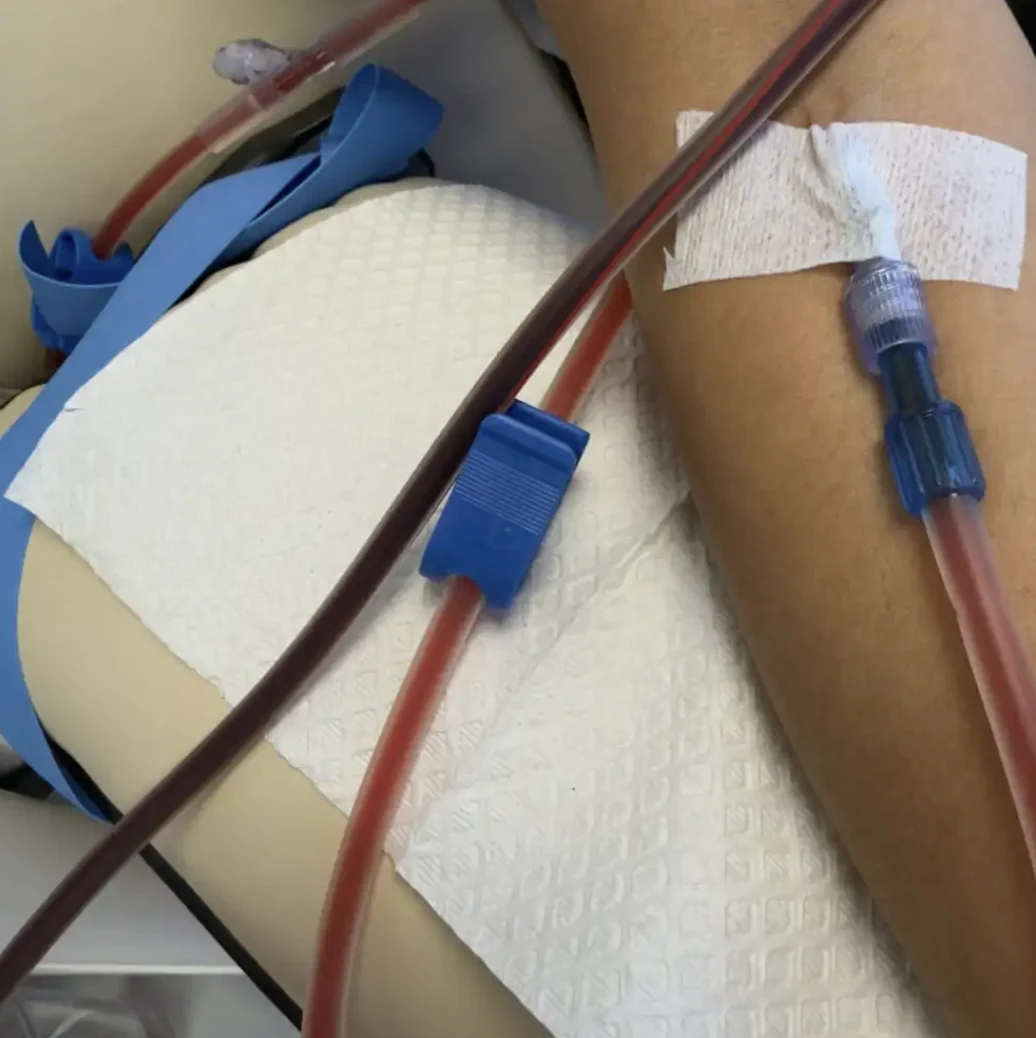
EBOO Therapy vs HBOT: Which Fits Your Goals?
Compare eboo therapy vs hbot for oxygenation-focused wellness, recovery support, screening, comfort, and a personalized physician-guided plan discussion.
Read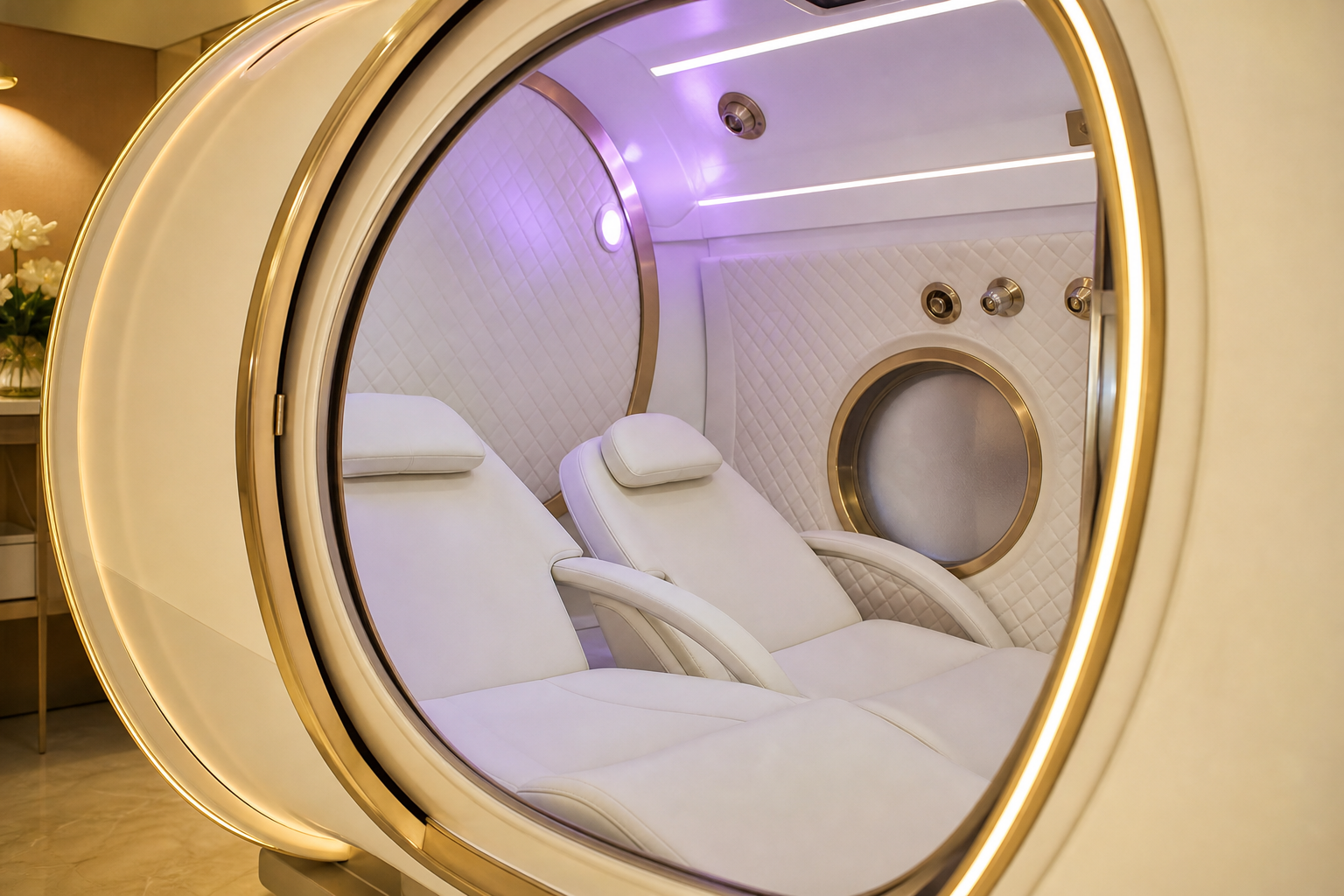
How to Prepare for HBOT Before Your First Session
Learn how to prepare for HBOT with physician-guided screening, chamber-day essentials, pressure-equalization tips, and personalized recovery planning.
Read
Best Options for Healthy Aging After 40
Explore the best options for healthy aging, from strength and sleep to physician-guided cellular wellness protocols tailored to your goals and lifestyle.
ReadMedical Disclaimer: Information on this website is for educational purposes only and is not intended to diagnose, treat, cure, or prevent any disease. It is not a substitute for medical advice. Individual results vary. Consult a qualified healthcare provider before beginning any treatment.