Private physician supervised wellness is not simply a more polished version of a wellness menu. It is a consultation-based model in which advanced therapies, timing, candidacy, and progression are considered within a clinician-guided plan. For clients who value privacy, efficiency, and a more discerning approach to longevity-focused care, that distinction matters.
At EBO2 Therapy and Wellness, the objective is not to promise a universal outcome. It is to create a thoughtful, personalized protocol that may support oxygenation-focused wellness, recovery, energy, cellular vitality, detox pathway support, and long-term performance goals. Screening is required, recommendations are individualized, and results vary.
What makes wellness physician-supervised?
A physician-supervised wellness practice begins with context. Rather than choosing a therapy based only on a trend, a client starts with a private consultation that considers health history, current medications and supplements, lifestyle demands, recent travel, training load, recovery priorities, and personal wellness objectives.
That clinical perspective changes the experience. A provider may determine that a particular therapy is not appropriate, that timing should be adjusted, or that a lower-intensity approach makes more sense. They may also recommend combining modalities only when the client's goals, screening information, and schedule support it.
This is particularly relevant when a client is considering higher-touch therapies such as EBO3 Therapy, Therapeutic Plasma Exchange (TPE), NAD+ Therapy, Hyperbaric Oxygen Therapy (HBOT), or peptide therapy. These are not interchangeable services. Each has a different process, time commitment, and suitability profile. Private physician supervised wellness provides a structured way to evaluate those differences before moving forward.
Why a personalized protocol matters
The appeal of concierge wellness is often convenience, but personalization is the more meaningful advantage. An executive managing extensive travel may be focused on recovery support and maintaining a consistent routine. An athlete may prioritize performance readiness and post-training recovery. A client interested in healthy aging may want a measured, longevity-focused plan that evolves with their goals rather than a one-time intervention.
A personalized protocol can account for those differences. It may include a focused therapy plan, appropriate intervals between sessions, and a clear discussion of what can reasonably be monitored over time. In some cases, a CTOI™ Cellular Optimization Report may help organize wellness priorities and guide a more intentional conversation about cellular wellness.
The trade-off is that this approach is not designed for instant, one-size-fits-all answers. A proper consultation can take longer than booking a standard IV appointment, and some requested therapies may require additional screening or may not be recommended. For many clients, that restraint is part of the value.
Advanced therapies require different considerations
Advanced wellness therapies can be selected for distinct goals, but they should not be presented as shortcuts or disease treatments. EBO3 Therapy, also searched as EBOO Therapy, EBO2 Therapy, EBO Therapy, or EBO treatment, is an oxygenation-focused service considered within an individualized wellness plan. It may be of interest to clients seeking support for recovery, cellular wellness, and performance optimization.
Other options may complement a broader protocol. IV Therapy can be tailored around hydration and nutrient-support goals. NAD+ Therapy may appeal to clients seeking energy and cellular vitality support. Glutathione Push and Methylene Blue IV may be discussed when clinically appropriate, with careful attention to relevant history and medications.
For clients considering Therapeutic Plasma Exchange, also called TPE, plasma exchange, or plasmapheresis, the consultation should be especially detailed. The process, eligibility considerations, and follow-up plan deserve the same level of attention as the client's stated wellness goals. Likewise, HBOT, sometimes called oxygen chamber therapy, requires a review of factors that may affect candidacy.
What to expect from a private consultation
The first conversation should be direct and unhurried. A provider-guided consultation typically reviews what you hope to accomplish, what you have already tried, and whether your current routine leaves gaps in recovery, sleep quality, energy management, or travel resilience. It is also an opportunity to discuss concerns and ask why one modality may be preferred over another.
If a therapy is appropriate, the next step is a clearly defined plan. That may include preparation guidance, session duration, anticipated scheduling, and what feedback is useful to share between visits. A premium experience should feel organized, but it should not feel rushed or overly prescriptive.
For some clients, a plan may involve one focused therapy. For others, it may incorporate a phased approach using complementary services such as red light therapy, near-infrared photobiomodulation, IV Therapy, HBOT, or provider-guided peptide therapy. The right scope depends on individual goals, clinical screening, and practical considerations such as time, travel, and budget.
Screening and medically responsible care
Privacy should never mean less clinical diligence. Before advanced wellness therapies are considered, screening helps identify relevant contraindications, medication interactions, implant considerations, recent procedures, and other factors that could affect whether a service is suitable.
Clients should also expect candid communication about limitations. Wellness therapies are designed to support selected goals, not diagnose, cure, treat, reverse, or may support resilience against disease. A responsible provider will not guarantee results, recommend unnecessary intensity, or describe a therapy as appropriate for everyone.
This is also why self-directed stacking can be a poor fit. Combining infusions, oxygenation-focused services, regenerative biologics consultations, peptides, or recovery technologies without a coherent plan can create unnecessary complexity. A physician-guided model brings order to the process and keeps the emphasis on appropriate selection rather than novelty.
Who may be interested in private physician supervised wellness?
This model often suits clients who want more than a transactional appointment. Frequent travelers, founders, executives, athletes, and active adults may appreciate private access and a protocol built around demanding schedules. It can also appeal to people who have explored wellness independently and now want clearer guidance on which options are worth considering.
It is not necessarily the best choice for every need. Someone seeking routine primary care, urgent medical evaluation, or treatment for a diagnosed condition should pursue the appropriate medical setting. Concierge cellular wellness is most useful when the goal is a considered, provider-guided approach to recovery support, performance, healthy aging, and wellness optimization.
A private, location-conscious experience
EBO2 Therapy and Wellness serves clients through concierge wellness locations in Rancho Palos Verdes, California, and West Palm Beach, Florida. The setting is designed for clients from surrounding Southern California and South Florida communities who prefer discreet, consultation-based access to advanced wellness therapies.
Location should be practical, not promotional. A client traveling from Manhattan Beach, Newport Beach, Palm Beach Gardens, Jupiter, Boca Raton, or Miami may need scheduling that respects a full calendar. A concierge practice can make that planning more efficient while preserving the clinical conversation that should come first.
Questions to ask before choosing a wellness practice
Before committing to a protocol, ask who conducts the clinical screening, how candidacy is determined, and how the plan changes if your needs change. Ask what preparation is required, what the expected session experience is, and which services are being recommended for your stated goals.
It is equally reasonable to ask what a provider would not recommend and why. Clear answers often distinguish a medically responsible private wellness practice from a service menu built around volume.
The most valuable next step is a private consultation that respects both your ambitions and your individual context. When advanced wellness is approached with discretion, screening, and sound clinical judgment, the plan can be as considered as the life it is designed to support.
Ready to talk with our team?
Book a complimentary consultation at our Rancho Palos Verdes or West Palm Beach clinic.
Request a ConsultationRelated services
Related reading
More from the EBO2 Therapy and Wellness library.
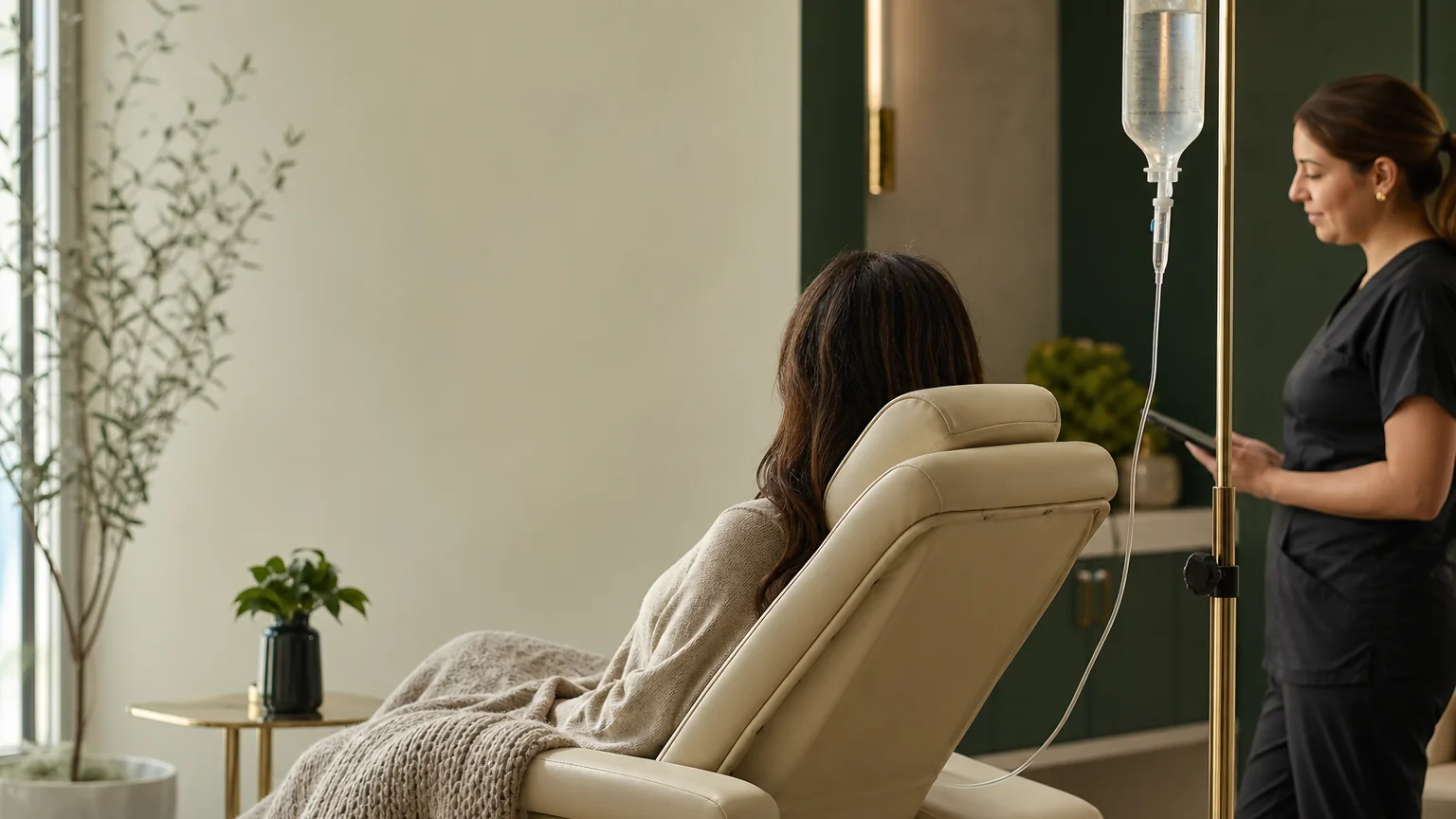
Concierge IV Therapy Guide: What to Expect
This concierge IV therapy guide explains screening, personalized protocols, infusion visits, and when physician-supervised care may be the right fit now.
Read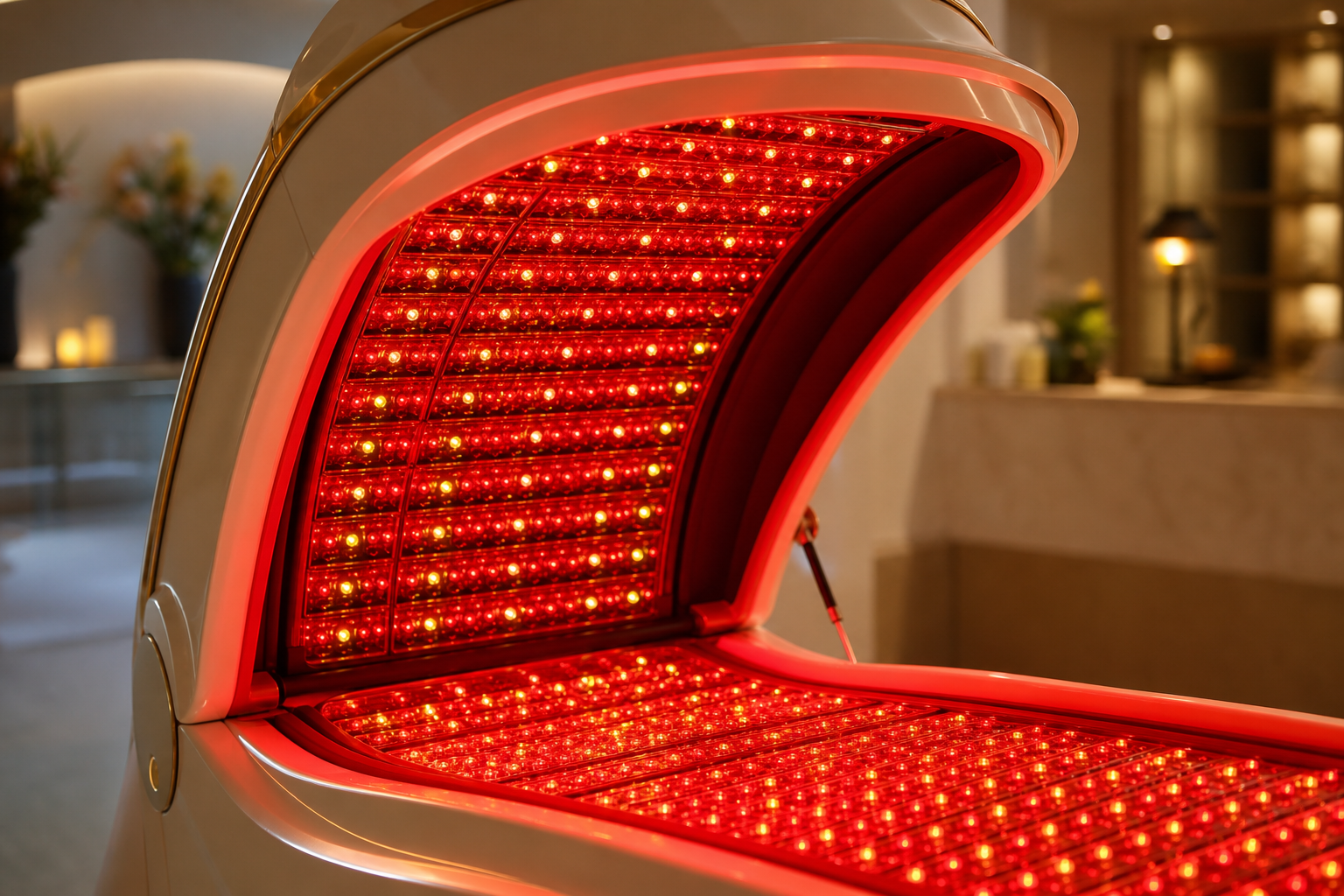
Near Infrared Therapy Benefits: What to Know
Explore near infrared therapy benefits, what photobiomodulation sessions involve, who may be a fit, and why screening and personalized protocols matter.
ReadHow to Prepare an NAD Infusion in a Clinical Setting
Learn how to prepare an NAD infusion in a supervised clinical setting, from screening and pharmacy sourcing to pacing, monitoring, and aftercare planning.
ReadMedical Disclaimer: Information on this website is for educational purposes only and is not intended to diagnose, treat, cure, or prevent any disease. It is not a substitute for medical advice. Individual results vary. Consult a qualified healthcare provider before beginning any treatment.