
Therapeutic plasma exchange is not an appointment to approach casually. Preparing for plasma exchange begins well before the procedure, with a clear review of your health history, current medications, vascular access, laboratory needs, and the clinical plan established by your treating provider. Thoughtful preparation can help the day run more comfortably and allows the care team to anticipate details that may affect your experience.
Quick Answer: How to Prepare for Plasma Exchange
Most patients preparing for plasma exchange should complete required screening, discuss all medications and supplements, follow individualized hydration and eating instructions, and arrange enough time to rest after the visit if advised. Do not stop prescription medications, begin supplements, or make major dietary changes unless your treating clinician tells you to do so.
Therapeutic plasma exchange, also called TPE or plasmapheresis, is a physician-directed procedure in which blood is circulated through specialized equipment to separate plasma from cellular components. The removed plasma is replaced according to the prescribed treatment plan, often with albumin and, in selected circumstances, plasma. The details matter: preparation is shaped by why the procedure has been ordered, your medical history, laboratory values, and the planned replacement fluid.
Preparing for Plasma Exchange: Your Pre-Procedure Plan
Begin with a complete clinical review
The most valuable preparation is an accurate conversation. Your provider should know about prior procedures, bleeding or clotting history, allergies, heart or kidney concerns, fainting episodes, pregnancy status when applicable, and any history of reactions to blood products or citrate. Share every prescription medication, over-the-counter medication, vitamin, herbal product, peptide, and performance supplement you use.
Certain medications may require timing adjustments around the procedure, but those decisions are individualized. Anticoagulants, antiplatelet medications, blood pressure medications, diabetes medications, and drugs with narrow dosing windows deserve particular attention. Never assume a medication should be held because it affects clotting or because you read that it might interfere with plasmapheresis. Your prescribing clinician and plasma exchange team should coordinate the plan.
Your care team may request laboratory work before treatment. Depending on the clinical indication and protocol, this can include a blood count, electrolytes, calcium, kidney function, coagulation measures, and protein levels. These results help guide appropriate monitoring and replacement planning.
Follow the hydration and nutrition instructions you are given
Adequate hydration may support vein access and help some people feel better during a procedure, but the right amount depends on your health status. Patients with fluid restrictions or certain cardiac or kidney considerations need specific guidance rather than general advice to drink more water.
Unless you have been instructed otherwise, many patients do better arriving having eaten a light, balanced meal. Skipping food can contribute to lightheadedness, particularly if the procedure is lengthy. A modest meal with protein and complex carbohydrates is often more practical than arriving on an empty stomach or having a large, heavy meal immediately beforehand.
Alcohol can contribute to dehydration and may complicate how you feel the next day, so it is generally wise to avoid it before a scheduled procedure unless your clinical team gives different direction. It may also be sensible to limit intense exercise shortly beforehand. The goal is not a restrictive wellness ritual. It is to arrive rested, nourished, and aligned with the instructions specific to your care.
Plan your day around the procedure
Wear comfortable clothing with sleeves that can be rolled up easily. Bring a current medication list, identification, and any paperwork requested by the center. If you use glasses for reading, headphones, or a device to pass the time, bring those as well.
The procedure length varies based on the prescribed plasma volume, access method, replacement fluid, and clinical protocol. Ask in advance how long you should reserve, whether you can eat or use the restroom during treatment, and whether a support person may accompany you.
Many people return to routine activities as directed, while others prefer a lighter schedule after treatment. If you have a long drive, demanding work obligations, athletic training, or travel planned, discuss the timing beforehand. Your provider may recommend adjusting plans based on how you typically respond, medications received, or the reason for treatment.
What to Expect During Therapeutic Plasma Exchange
A trained clinical team establishes access through peripheral veins when appropriate or through an existing central access device when medically indicated. Blood is processed in a controlled circuit, and the cellular components are returned with the prescribed replacement fluid. Your team will monitor you throughout the session.
Some people notice coolness, tingling around the lips or fingers, a metallic taste, or mild lightheadedness. Citrate, an anticoagulant used in the procedure, can lower circulating calcium temporarily and contribute to tingling or muscle sensations. Report any symptom promptly. The team can assess what is happening and respond according to the protocol, which may include adjustments or calcium support when clinically appropriate.
You should also speak up if you feel discomfort at the access site, nausea, chest discomfort, shortness of breath, itching, chills, or a sense that something is not right. Good preparation includes knowing that feedback during treatment is useful clinical information, not an inconvenience.
Safety, Screening, and Individual Considerations
Plasma exchange is a medical procedure with potential risks and is not appropriate for every person or every wellness objective. Screening is required. Your clinical team will consider the indication, overall health, blood pressure stability, vascular access, medication profile, laboratory findings, and the suitability of the planned replacement fluid.
Potential considerations include changes in blood pressure, citrate-related symptoms, access-site issues, allergic reactions, shifts in electrolytes, and bleeding or clotting concerns. The relevance of each risk depends on the individual and the protocol. Patients with complex conditions should ensure their broader medical team is aware of the treatment plan.
For clients exploring longevity-focused or cellular wellness services, a private consultation should distinguish between a medically indicated procedure and broader recovery or wellness goals. Therapeutic plasma exchange should never be presented as a universal "cleanse" or a substitute for diagnosis, preventive care, nutrition, sleep, movement, or condition-specific medical treatment. Results vary, and recommendations should remain provider-guided.
Questions Worth Asking Before Your Appointment
A well-run consultation leaves little ambiguity. Ask why plasma exchange has been recommended in your situation, what replacement fluid is planned, how many sessions are anticipated, and what monitoring will occur during and after each session. It is also reasonable to ask how your medications should be timed, whether you need repeat laboratory testing, and what symptoms should prompt a call after you leave.
If you are pairing plasma exchange with other advanced wellness therapies, ask about sequencing. IV therapy, NAD+ therapy, hyperbaric oxygen therapy, red light therapy, peptide protocols, and oxygenation-focused services such as EBO3 Therapy may have different scheduling considerations. Combining services simply because they are available is not the same as building a coherent, personalized protocol.
After Your Plasma Exchange Session
Follow the post-procedure instructions given to you, including guidance about hydration, meals, medications, physical activity, and follow-up testing. Keep the access area clean and observe it for persistent bleeding, swelling, increasing pain, warmth, or redness. Contact your care team promptly for concerning symptoms or any issue they specifically instructed you to report.
At EBO2 Therapy and Wellness, physician-supervised, consultation-based planning is designed to give appropriate candidates a private, coordinated experience rather than a one-size-fits-all treatment day. For clients in Rancho Palos Verdes or West Palm Beach, that begins with careful screening and a conversation about whether plasma exchange belongs in a broader personalized protocol.
The best way to prepare is simple: arrive informed, be candid about your health and medications, and give your clinical team enough context to make each decision with care.
Ready to talk with our team?
Book a complimentary consultation at our Rancho Palos Verdes or West Palm Beach clinic.
Request a ConsultationRelated services
- EBOO Therapy vs Ozone Therapy Differences
- Finding Hyperbaric Oxygen Therapy Near Me
- Ozone Therapy Near Me for Private Wellness Care
- What 10 Pass Ozone Therapy Actually Involves
- How Physician-Guided Longevity Care Works
- How EBO2 Therapy Sessions Work in Practice
- IV Therapy: A Personalized Wellness Approach
Related reading
More from the EBO2 Therapy and Wellness library.

What Longevity Medicine Looks Like in Practice
Longevity Medicine uses physician-guided assessment and personalized planning to support cellular vitality, recovery, performance, and healthy aging goals.
Read
How to Evaluate Peptide Therapy With Care
Learn how to evaluate peptide therapy through physician-led screening, clear goals, sourcing review, monitoring, and a personalized wellness plan today.
Read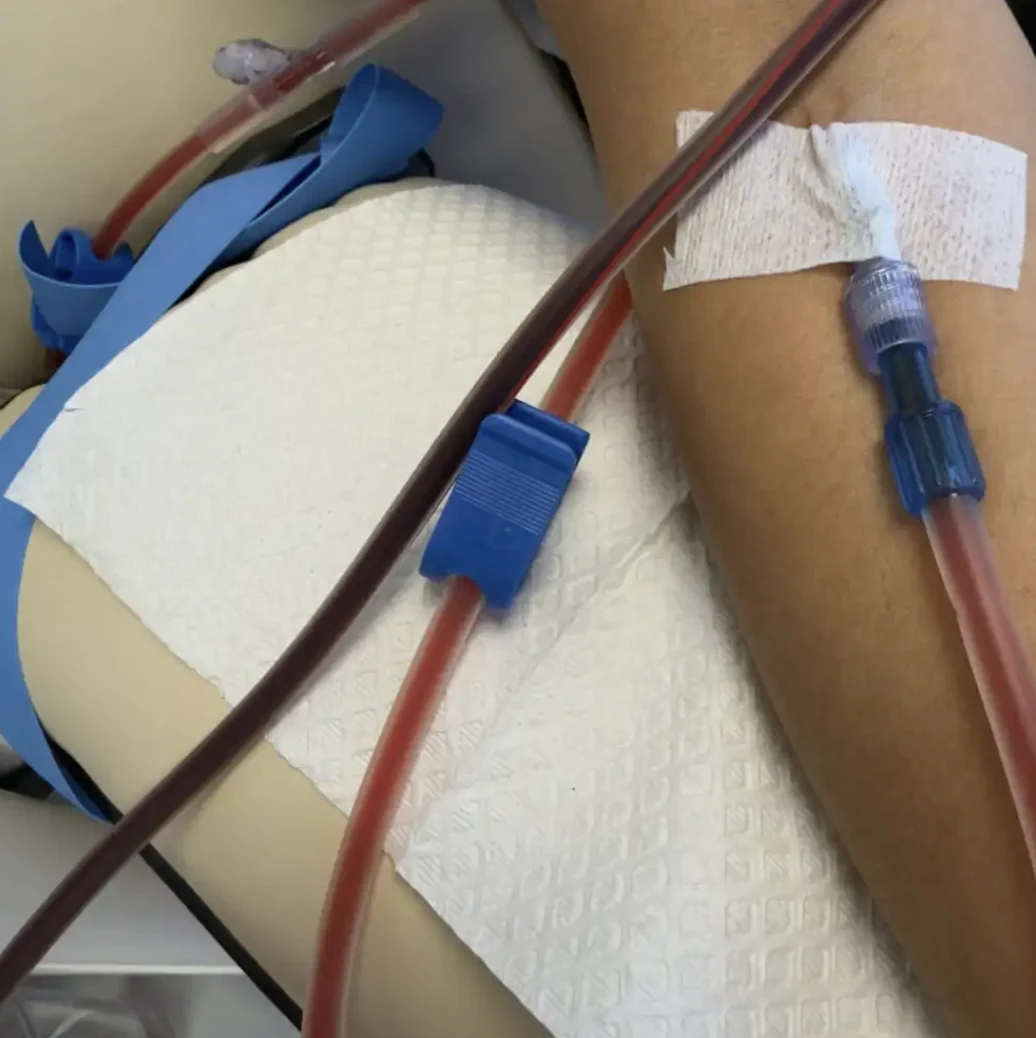
How to Choose EBO3 Therapy With Confidence
Learn how to choose EBO3 therapy with physician-guided screening, clear protocol standards, and personalized planning for recovery and cellular wellness.
ReadMedical Disclaimer: Information on this website is for educational purposes only and is not intended to diagnose, treat, cure, or prevent any disease. It is not a substitute for medical advice. Individual results vary. Consult a qualified healthcare provider before beginning any treatment.