A 6 a.m. airport departure, a cross-country meeting, and a late dinner can leave even highly disciplined travelers feeling depleted. The best wellness tools travelers bring are not necessarily the most expensive or elaborate. They are the ones that protect the few inputs travel disrupts most: sleep timing, hydration, movement, nutrition, recovery, and a sense of control.
For executives, athletes, and frequent flyers, the right travel setup should fit into real life. It should be compact, low-friction, and appropriate for your health history, destination, and itinerary. A red-eye to New York calls for a different approach than a week of client dinners in London or an active family holiday in Aspen.
The best wellness tools for travelers start with fundamentals
Before investing in high-tech devices, build a dependable travel baseline. A well-chosen sleep mask will usually do more for a long-haul flight than a suitcase full of supplements. Likewise, a refillable water bottle and a deliberate movement plan often matter more than a complicated recovery routine that is difficult to maintain away from home.
The goal is not to perfectly replicate your home protocol. Travel is inherently disruptive. The better goal is to reduce unnecessary strain, support recovery, and return to your normal routine with less friction.
1. A premium sleep mask and comfortable earplugs
Light exposure and ambient noise are among the most predictable barriers to restorative rest in hotels, airplanes, and unfamiliar bedrooms. Choose a contoured sleep mask that blocks light without pressing on the eyes, along with soft earplugs you can comfortably wear for several hours.
These are particularly useful for travelers who need to sleep at unusual times or adjust to a new time zone. They are simple tools, but consistency matters. Use them during the flight, not only after arrival, if sleep is part of your travel recovery plan.
2. A hydration bottle with electrolytes you tolerate well
Cabin air, alcohol, restaurant meals, heat, and a packed schedule can all make it harder to maintain normal hydration habits. A durable refillable bottle provides the prompt many people need to drink consistently. For longer flights, hot climates, or extended periods of physical activity, an electrolyte product may be helpful for some travelers.
The formula matters. Look for clear labeling and avoid assuming that more sodium, magnesium, or other ingredients are always better. People with kidney conditions, blood pressure concerns, or medication-related restrictions should ask their physician or qualified provider what is appropriate for them.
3. Compression socks for long travel days
Graduated compression socks are a practical consideration for long periods of sitting. They may support comfort and circulation during lengthy flights or drives, especially for travelers who notice lower-leg heaviness or swelling after transit.
Fit is important. Compression is not right for everyone, including some people with vascular conditions or other medical considerations. If you have a personal or family history of clotting concerns, recent surgery, or significant leg symptoms, seek medical guidance before relying on any travel product.
4. A compact mobility tool
A firm massage ball, resistance band, or travel-size stretching strap can make hotel-room movement more realistic. These are useful because they remove the need to find a gym after a demanding day. Five to ten minutes of ankle mobility, hip movement, gentle thoracic rotation, and light resistance work can help counter long periods of sitting.
Avoid turning travel movement into punishment. A hard workout after poor sleep and dehydration may not be the right choice. The most effective plan is often a short walk after landing, light mobility before bed, and a return to normal training when your recovery markers feel stable.
5. A wearable used for trends, not anxiety
A quality wearable can help frequent travelers notice patterns in sleep duration, resting heart rate, activity, and recovery. The value is not in chasing a perfect score. It is in seeing that three nights of abbreviated sleep, late meals, and early meetings are beginning to affect your baseline.
Use the data to make practical adjustments: schedule a lighter training day, take a midday walk, prioritize an earlier dinner, or move a nonessential evening commitment. Wearables do not diagnose medical conditions, and individual readings can be influenced by many factors. They work best as context, not a verdict.
6. A small, organized personal care kit
Travel wellness often breaks down because essential items are scattered between bags or left at home. Keep a dedicated pouch with any prescribed medications, basic first-aid items, your preferred skin and oral care essentials, hand sanitizer, and travel-sized products that help you maintain routine.
If you use supplements, bring only those you know you tolerate and that fit your provider-guided plan. Starting multiple new products before an international trip is rarely a wise experiment. Regulations also vary by destination, so review local rules before traveling with medications or wellness products.
Recovery tools worth considering after arrival
Once the essentials are covered, a few additional tools may serve travelers with demanding schedules. Their value depends on how often you travel, the intensity of your work or training demands, and whether you will actually use them.
7. Portable red light devices
A portable red light or near-infrared device can appeal to travelers who already use photobiomodulation as part of a consistent wellness routine. The practical advantage is continuity: a familiar, brief session can be easier to maintain than searching for a recovery studio in an unfamiliar city.
Device quality, dosing, eye protection instructions, and contraindications vary. This is not a category to buy based on social media claims. Consider it an optional recovery-support tool, not a replacement for sleep, nutrition, or medical evaluation when symptoms warrant care.
8. A travel-friendly air quality strategy
For hotel rooms, conferences, and crowded transit hubs, air quality can affect comfort, especially for people sensitive to dry air or environmental irritants. A compact, quiet air purifier may make sense for extended stays, while a saline nasal spray may support comfort for some travelers during dry flights.
There is a trade-off: bulk matters. For a one-night business trip, the space may not be justified. For extended international stays or travelers who are particularly attentive to their sleep environment, it can be a worthwhile addition.
9. A food-planning tool that is genuinely usable
This may be a note on your phone rather than a physical device. Before departure, identify the airport meal you can rely on, a few restaurants near your hotel, and a simple grocery order for arrival. The purpose is not dietary perfection. It is to avoid the all-too-common pattern of skipping meals all day and making impulsive choices late at night.
A reliable travel nutrition plan includes protein, fiber-rich foods when available, and enough fluids. It also leaves room for a business dinner, local cuisine, or a celebratory glass of wine without turning one meal into an abandoned routine.
10. A personal recovery schedule
The most overlooked tool is a calendar with recovery built in. If you land at 4 p.m., do not schedule a maximal workout at 5 p.m. If your first day involves back-to-back meetings, protect the following morning from unnecessary commitments. Intentional spacing gives the body a better chance to adapt to travel demands.
For frequent travelers, a pre-trip and post-trip recovery plan may be more valuable than any device. This can include sleep preparation, hydration habits, movement, nutrition, and provider-guided advanced wellness therapies when clinically appropriate.
When personalized wellness planning adds value
People who travel often for business, competition, or family obligations may find that generic advice stops being enough. Persistent fatigue, poor sleep quality, prolonged recovery, or difficulty maintaining healthy routines can justify a more individualized conversation. The question is not which trend is strongest online. It is which approach fits your health history, goals, medications, travel pattern, and current capacity.
At EBO2 Therapy and Wellness, private consultations can help qualified clients consider personalized, physician-supervised protocols designed to support cellular wellness, recovery support, oxygenation-focused goals, and detox pathway support. Depending on screening and individual goals, this may include IV therapy, NAD+ therapy, glutathione support, Hyperbaric Oxygen Therapy (HBOT), red light therapy, or other consultation-based options. EBO3 Therapy may also be discussed for appropriate candidates as part of a broader provider-guided plan.
These services are not travel accessories, and they are not substitutes for medical care. Screening is required, suitability varies, and results vary. For many clients, the greatest value is having a measured plan before a demanding travel period and a thoughtful recovery strategy after returning.
Build a travel kit you will actually use
A well-designed travel wellness kit should feel discreet and manageable, not like a second piece of luggage. Start with sleep support, hydration, movement, and a simple personal care system. Add compression, a wearable, portable light therapy, or air-quality support only when the tool solves a problem you repeatedly encounter.
The most refined approach to travel wellness is rarely extreme. It is a quiet set of decisions that helps you arrive more prepared, recover with greater intention, and keep your personal standards intact wherever business or life takes you.
Ready to talk with our team?
Book a complimentary consultation at our Rancho Palos Verdes or West Palm Beach clinic.
Request a ConsultationRelated services
Related reading
More from the EBO2 Therapy and Wellness library.
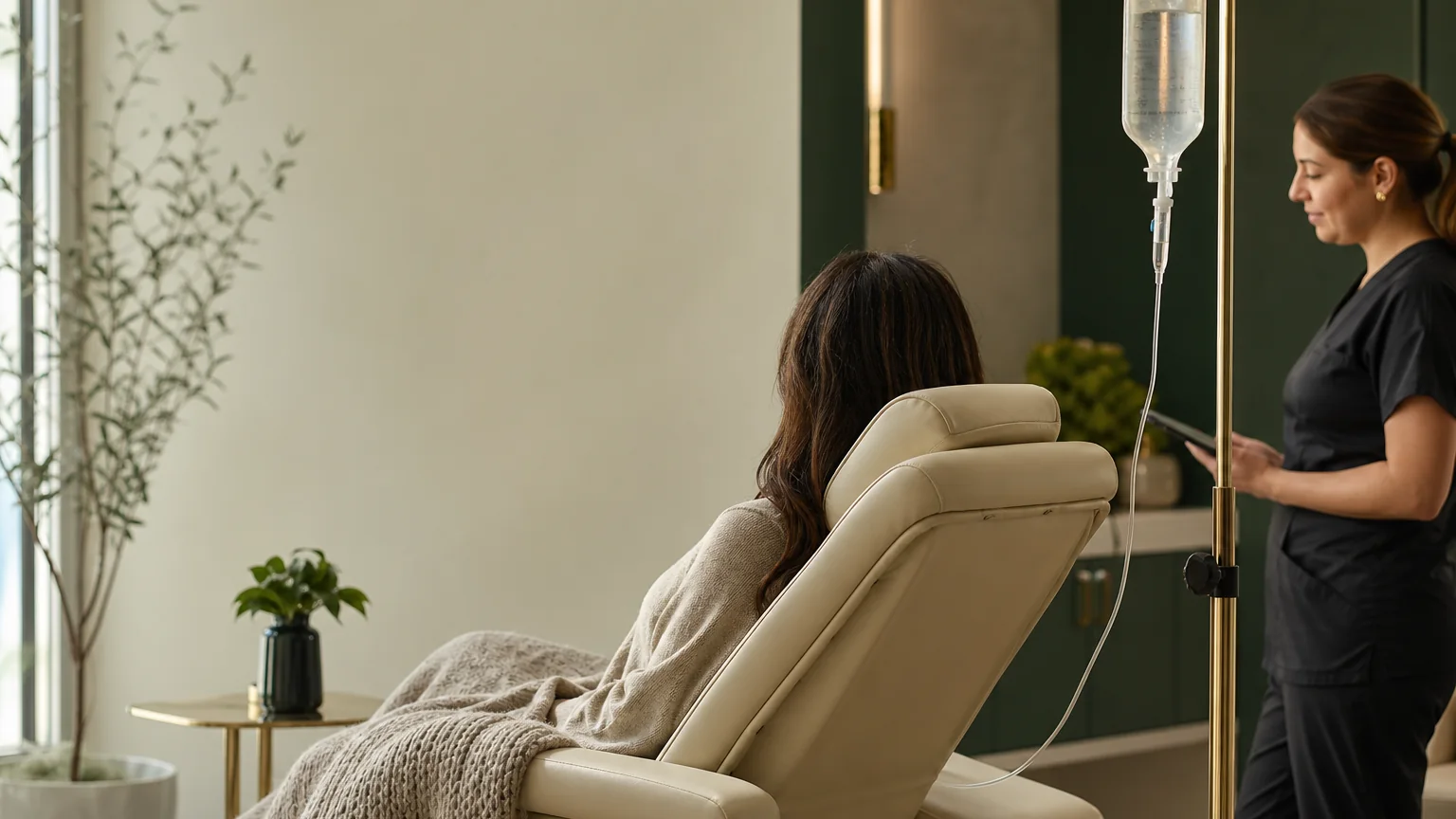
NAD IV vs Injections: Which Protocol Fits?
Considering NAD IV vs injections? Learn how delivery, pace, comfort, cost, and physician-guided planning shape the right protocol for your goals today.
Read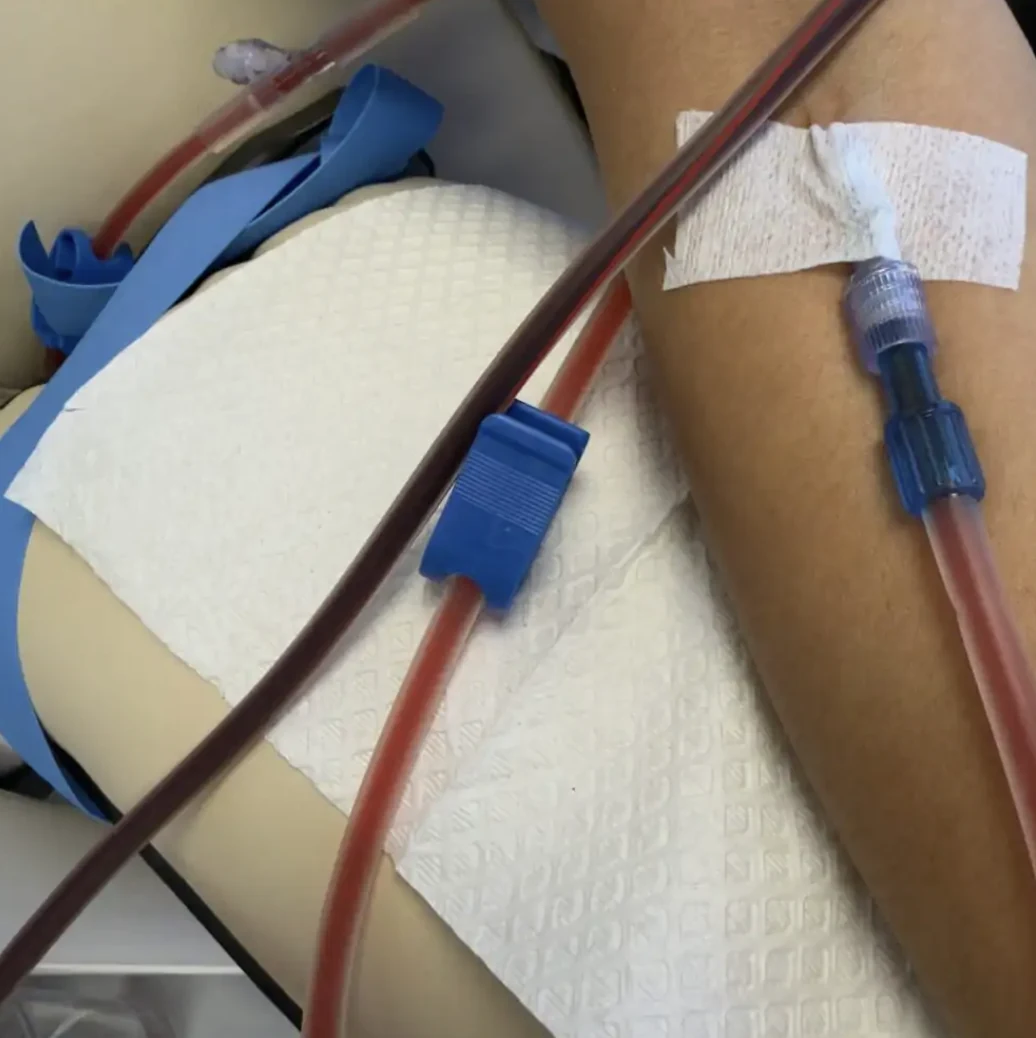
EBO3 Therapy Versus HBOT: Key Differences
Compare EBO3 therapy versus HBOT: how each oxygenation-focused service works, what sessions involve, screening needs, and when a personalized plan may fit.
ReadNAD Infusion Versus Supplements: Which Fits?
NAD infusion versus supplements: compare delivery, pace, screening, and practical fit for a personalized cellular wellness and recovery plan for clients.
ReadMedical Disclaimer: Information on this website is for educational purposes only and is not intended to diagnose, treat, cure, or prevent any disease. It is not a substitute for medical advice. Individual results vary. Consult a qualified healthcare provider before beginning any treatment.